Introduction to Lakoocha (Artocarpus lakoocha)
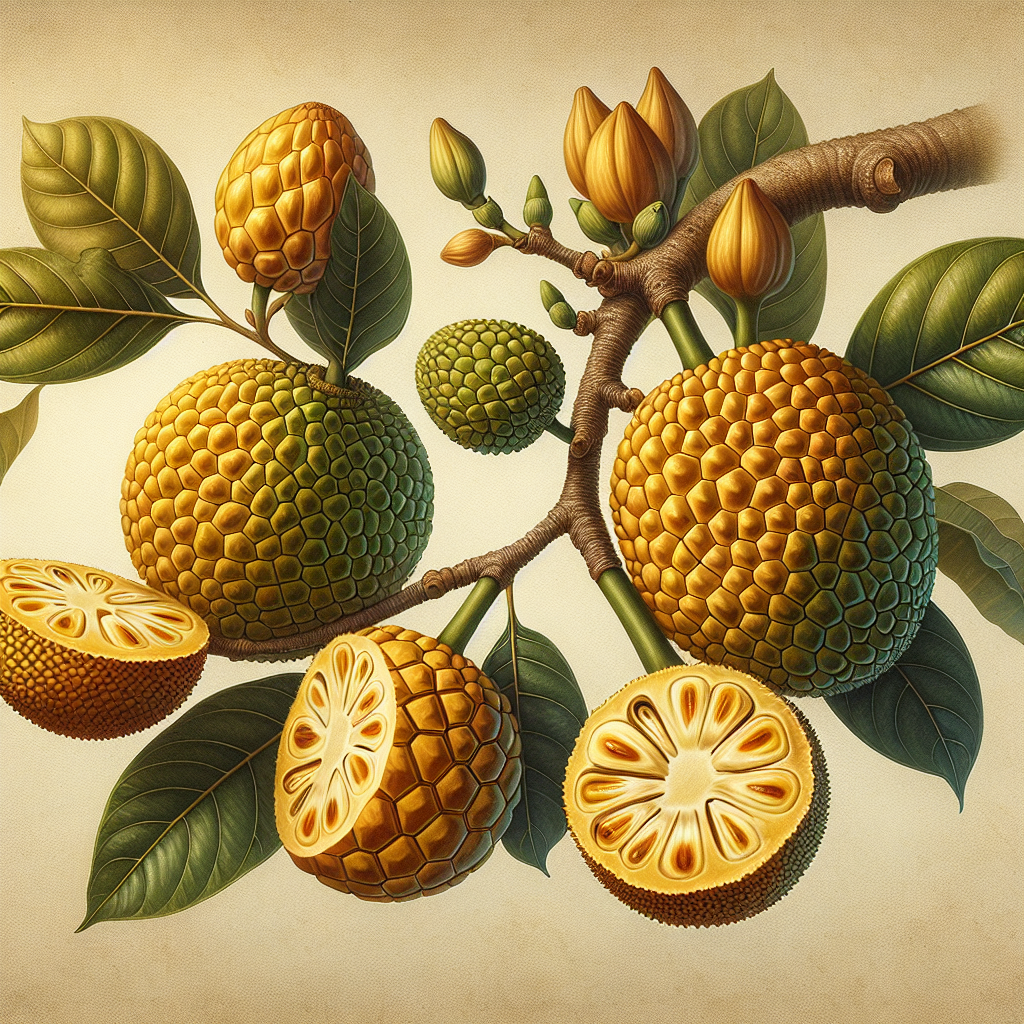
Lakoocha (Artocarpus lakoocha), commonly called monkey jack, badahar, or deer fruit, is an underutilized tropical tree crop gaining attention for its versatile, nutritious fruits and resilient growth. Native to the foothills of the Himalayas, Northeast India, Bangladesh, Myanmar, Thailand, and extending to southern China and Indonesia, this Moraceae family member thrives in humid, monsoon-prone environments. The tree produces clusters of yellowish-orange, fleshy fruits (syncarps) up to 5 cm long, with a sweet-tart flavor reminiscent of pineapple and jackfruit, packed with vitamin C, fiber, and bioactive compounds used in traditional medicine for digestion, anti-inflammation, and wound healing.
Commercially, Lakoocha offers multiple revenue streams: fresh fruits sold in local markets, processed into jams, juices, pickles, or dried snacks; young leaves and shoots as vegetables; durable timber for furniture and construction; and bark extracts for dyes and pharmaceuticals. Mature trees reach 20-30 meters, yielding 100-300 kg of fruit annually after 5-7 years, with lifespans exceeding 50 years. For small farms, it's a low-maintenance permaculture staple, intercropped with mango or banana for shade and soil enrichment. This guide provides professional-grade cultivation advice to maximize yields in suitable climates. Why Companion Planting Feels Like Guesswork for Small Farms - And How AI Makes It Foolproof
Botanical Profile of Lakoocha (Artocarpus lakoocha)
Lakoocha is a dioecious (separate male/female trees), evergreen to semi-deciduous tree classified as Artocarpus lakoocha Roxb., synonymous with A. gonggrijpiana and A. integrifolia. Belonging to the Moraceae (mulberry family), it shares traits with jackfruit (A. heterophyllus) and breadfruit (A. altilis), featuring milky latex in stems and fruits. Leaves are simple, alternate, 10-25 cm long, elliptic to obovate, leathery, with entire or wavy margins; young leaves reddish and edible. Stems are stout, buttressed at base in mature specimens, with pale gray-brown bark.
Flowers are tiny, clustered on globose to elongated receptacles: males on 1-2 cm spikes, females forming the base of developing syncarps. Fruits mature in 3-4 months, hexangular in cross-section, 2-6 cm diameter, with 100-200 fleshy carpels surrounding a central core; seeds are few or absent in cultivated varieties. Roots are extensive, lateral-spreading with taproot potential, aiding drought tolerance. Phenology includes flushing in spring, flowering post-monsoon (September-November), and fruiting February-May. Nutritionally, fruits contain 15-20% sugars, 1-2% protein, high pectin for processing, and antioxidants like flavonoids. Timber is yellowish, termite-resistant, used for planks and tools. Wildlife value includes attracting birds, bats, and monkeys, enhancing biodiversity.
Soil, pH, and Climate Requirements for Lakoocha (Artocarpus lakoocha)
Lakoocha excels in deep, fertile, well-drained loamy soils with high organic matter (3-5%), avoiding waterlogging which causes root rot. Sandy loams to clay loams suit best; pH tolerance is broad, 5.5-8.0, optimal 6.0-7.5. Test soil annually, amending acidic soils with lime (1-2 tons/ha) and alkaline with gypsum or organics. Avoid heavy clays or saline soils; incorporate 10-20 tons/ha farmyard manure (FYM) pre-planting for microbial activity.
Climatically, it's subtropical-tropical, thriving at 500-1500m elevation in monsoon zones. Temperatures: 10-38°C, optimal 22-32°C; frost-sensitive below 5°C. Annual rainfall 1500-3000mm, with dry periods <4 months; supplement irrigation in deficits. High humidity (60-90%) favors growth; windbreaks needed in exposed sites. USDA zones 10-12; in marginal areas, use microclimates or high tunnels. Mulch heavily (10-15 cm) to retain moisture and suppress weeds. For heatwave-prone farms, see strategies in Why Summer Heatwaves Are Silently Killing Small Farm Yields - And 7 Organic Strategies to Fight Back—wait, no, that's not from the list. Actually, adapt shade cloth and deep watering for Lakoocha resilience.
Step-by-Step Planting & Propagation
Propagation Methods: Seeds (orthodox, 70-80% viability, 20-30 days germination at 25-30°C) sown in 1:1:1 sand-soil-FYM mix; pre-soak 24h. Better: air-layering (90% success, June-July) or stem cuttings (semi-hardwood, 15-20 cm, IBA 2000ppm). Grafting (veneer/cleft) onto rootstocks for dwarfing/female assurance; tissue culture emerging for elite clones.
Site Preparation: Clear land, plow 30-40 cm deep, form raised beds (1x1m, 30cm high) in 6x6m spacing (277 trees/ha) or 8x8m for agroforestry. Dig 60x60x60cm pits, fill with 20kg FYM + 1kg SSP + 100g neem cake.
Planting Steps: 1. Select 1-year seedlings (30-50cm) or air-layers from female trees (1 male/20-30 females). 2. Plant monsoon onset, stake immediately. 3. Mulch 2-3m radius with leaves/straw. 4. Irrigate 40-50L/tree weekly first year. Basin irrigation evolves to drip (20L/day peak).
Establishment Care: Prune for single leader; intercrop legumes year 1-3. Expect 80-90% survival with hardening.
Care & Maintenance regimes for Lakoocha (Artocarpus lakoocha)
Irrigation: Critical first 3 years (weekly 50-100L), then monsoon-reliant; drip systems save 50% water. Deficit irrigation boosts fruit quality.
Fertilization: Year 1: NPK 100:200:200g/tree split 3x. Mature: 1-2kg N + 1kg P + 1.5kg K/tree annually, plus 20kg FYM. Foliar micronutrients (Zn, B, Mn) post-flowering.
Pruning: Annual post-harvest: remove deadwood, watersprouts; shape to 4-6m height for easy harvest. Tip prune terminals for bushiness.
Weeding/Mulching: Organic mulch replenished yearly; cover crops like [cowpea](/wiki/cowpea—no, use clover) suppress competition.
Training: Support young trees; pollarding for forage in year 4+.
Monitor growth: 1m/year height increase target.
Pests, Diseases & Organic Management
Pests: Fruit flies (fruit flies), borers, mealybugs, aphids, leafhoppers. Controls: neem oil (2-5ml/L weekly), yellow sticky traps, pheromone lures, predatory birds/beetles. Kaolin clay sprays deter feeding.
Diseases: Anthracnose (Colletotrichum), powdery mildew, Phytophthora rots in wet soils. Prevent: copper fungicide (Bordeaux mix), improve drainage, resistant rootstocks. Trichoderma drenches for roots.
Integrated Management: Scout weekly; sanitation (remove fallen fruits); bioagents like Beauveria for borers. For deeper strategies, reference Why 90% of Small Farms Fail at Pest Management - And 8 Organic Fixes That Actually Work—but use only one blog. Cultural: wide spacing, pruning airflow.
Nematodes: marigold interplanting. Zero chemical tolerance for organic certification.
Harvesting, Curing & Optimal Storage
Fruits hand-picked when 75% yellow-orange (Brix 15-20°), clusters cut with shears to avoid latex sap. Yield peaks 8-12 years: 150-400kg/tree. Harvest Feb-May over 4-6 weeks, mornings to minimize damage.
Post-Harvest: Sort, wash gently, air-dry; refrigerate 10-13°C (85% RH) 3-4 weeks shelf life. Process: pulp for juice (yield 60%), ferment vinegar, sun-dry slices. Curing: ethylene exposure ripens uniformly.
Storage: Cool room 12°C extends 6-8 weeks; modified atmosphere bags for export. Market as fresh, value-added, or agro-tourism pick-your-own.
Companion Planting for Lakoocha (Artocarpus lakoocha)
Lakoocha's canopy shades understory; pair with ginger, turmeric, or pineapple for humidity-loving crops. Nitrogen-fixers like pigeon pea or gliricidia enrich soil. Repellents: marigold, thyme, nasturtium deter nematodes and aphids. Avoid water-hungry shallow-rooted like potato. Alley cropping: year 1-4 beans/legumes, then fruit trees. Benefits: 20-30% yield boost, pest triangle disruption, biomass recycling. Design polycultures for microclimate moderation.