Introduction to Bloomsdale Spinach
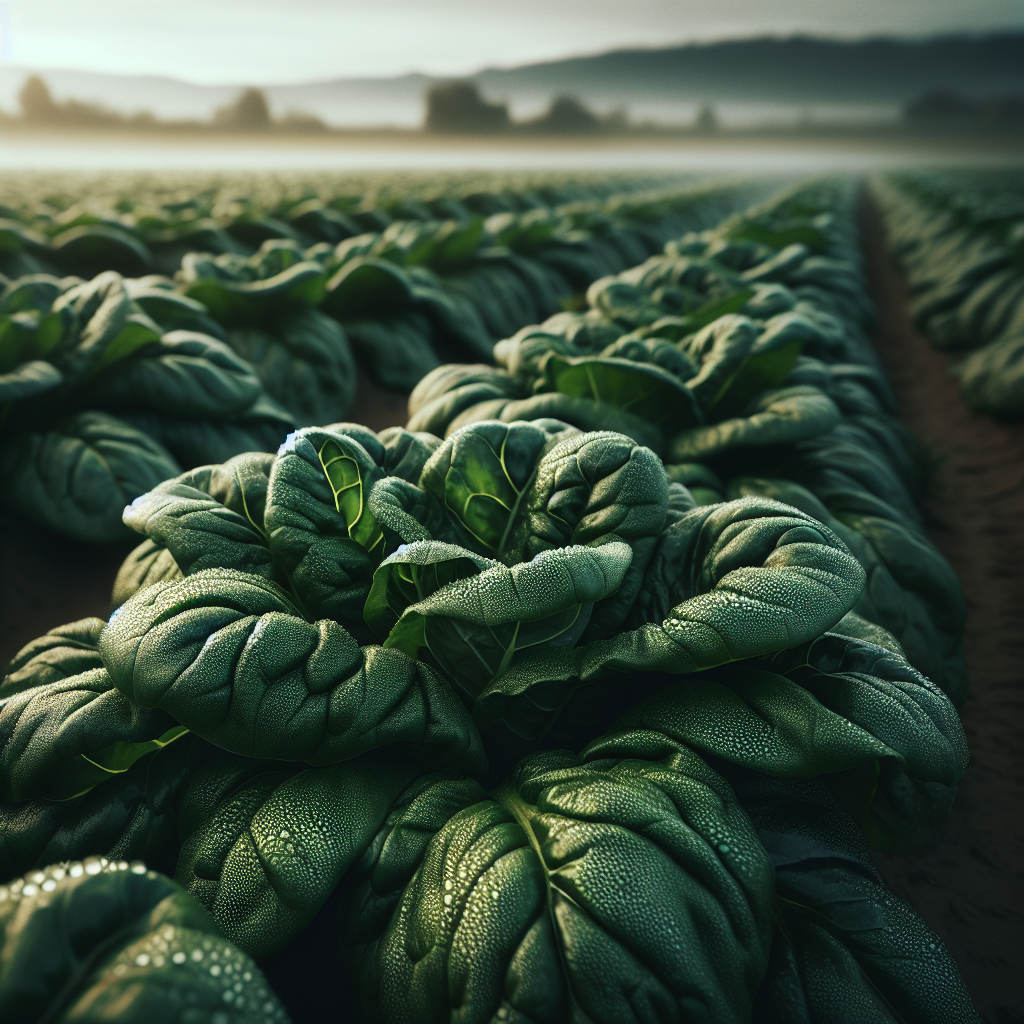
An old, reliable heirloom, this variety has remained popular for generations because it combines exceptional eating quality with strong garden performance in cool conditions. Its leaves are heavily savoyed, meaning deeply crinkled and puckered, which gives the plant a distinctive appearance and a substantial, tender texture when harvested young. Compared with flatter-leaved modern processing types, it is often preferred by home gardeners and market growers who want premium bunching spinach with a traditional flavor and attractive leaf form.
Bloomsdale is especially well suited to early spring and fall production. Like most spinach, it responds strongly to day length and rising temperatures, so its best harvest window comes when days are still relatively cool and short. In hot weather, the plant shifts quickly from leaf production into reproductive growth, sending up a seed stalk in a process called bolting. That means success with this crop is less about pushing rapid summer growth and more about managing timing, soil condition, and moisture so the plant stays vegetative for as long as possible.
Historically, Bloomsdale-type spinach traces back to older European spinach lines selected for savoy leaf texture and cold tolerance. The cultivar name is strongly associated with long-established seed catalog offerings in North America, where it became a standard for spring greens. Because it is an heirloom, growers also appreciate that seed can be saved if isolation and plant sex are managed correctly, though cross-pollination risk exists with other spinach plantings nearby.
For growers comparing spinach forms, see the broader spinach guide. For field planning and cool-season layout ideas, the seasonal perspective in this fall companion planting article is also useful.
Botanical Profile of Bloomsdale Spinach
This crop belongs to the Amaranthaceae family, not the Brassicaceae, which surprises some growers because it is often grouped in cool-season vegetable rotations alongside brassicas. It is a leafy annual grown for its rosette of edible leaves, though botanically it can complete its life cycle quickly once vernalization and long days trigger flowering.
Key morphological features include:
- Deeply savoyed leaves with pronounced blistering and crinkles
- Dark green coloration, usually richer in fertile soils with adequate nitrogen
- Thick leaf blades with moderate to good resilience in cool conditions
- Upright to semi-spreading rosette habit
- A relatively strong root system for a leafy green, but still shallow enough to suffer under erratic irrigation
Spinach is usually dioecious, meaning male and female flowers are commonly borne on separate plants, though some monoecious expression can occur. Male plants typically bolt and flower earlier, while female plants may continue leaf production slightly longer before seed development. This matters if you are growing for seed saving, but for leaf production the key concern is removing bolting plants promptly to preserve bed quality.
Bloomsdale’s savoy leaf texture is one of its biggest selling points, but it also has implications for crop management. The crinkled surface can trap splashed soil, irrigation residue, and moisture, increasing the importance of clean mulch, careful watering, and good airflow. It also means post-harvest washing must be more thorough than with smooth-leaf types.
In cool weather, leaves are sweet, mineral-rich, and tender. After repeated cold exposure, plants often accumulate sugars, improving taste. However, if the crop experiences growth checks from drought, compaction, or nutrient deficiency, leaves can become smaller, tougher, and more prone to yellowing or premature bolting.
Soil, pH, and Climate Requirements for Bloomsdale Spinach
This crop performs best in fertile, moisture-retentive, well-drained loam with high organic matter and a fine, friable seedbed. Ideal soil texture is sandy loam to silt loam, provided drainage is reliable. Heavy clay can work if raised beds, compost incorporation, and careful irrigation prevent crusting and oxygen starvation around the roots.
Target soil pH is 6.5 to 7.5. It will tolerate slightly more acidic ground, but once pH drops below about 6.3, nutrient availability becomes less favorable and growth often slows. Acidic soils can also aggravate manganese excess and reduce calcium and magnesium uptake. If pH is below target, apply agricultural lime well before planting according to a soil test.
Spinach is notably sensitive to poor soil structure. Seedlings struggle in crusted surfaces, compacted layers, and waterlogged conditions. For direct seeding, the top 2 to 3 inches of soil should be loose and fine enough that shallow-planted seed can emerge evenly. Large clods reduce stand uniformity, which later complicates thinning and harvest timing.
Climate preference is cool temperate weather. Ideal daytime temperatures are 50-65°F (10-18°C), with nights between 35-50°F (2-10°C). Germination is best around 45-68°F (7-20°C), though seeds can sprout at lower temperatures if soil is workable. Once daytime temperatures regularly exceed 75°F (24°C), especially with long days, bolting pressure rises sharply.
Cold tolerance is excellent. Established plants can survive light to moderate frosts, and some strains of Bloomsdale hold well under near-freezing conditions if soils are not saturated. Young plants can withstand brief dips below freezing, but prolonged severe cold without row cover may damage leaf tissue. In overwinter systems, plants are often seeded in late summer or early fall and protected through winter with low tunnels or fabric.
Moisture management is critical. Aim for evenly moist soil in the root zone, roughly 60-80% of field capacity. In practical terms, the soil should feel cool and slightly damp at 2 inches deep, never powder-dry and never sticky or anaerobic. Signs of underwatering include dull, gray-green leaves, slowed expansion, and bitter flavor. Signs of overwatering include persistent wet soil, yellow lower leaves, stunting, and susceptibility to damping-off and root disease.
Nutrient demand is moderate but precise. Spinach responds well to available nitrogen, yet excessive fast-release nitrogen can produce overly lush, nitrate-prone tissue, especially under low light. A professional approach is to build fertility with compost plus preplant balanced amendments, then supplement lightly if leaf color fades. Soil test targets vary, but spinach generally benefits from moderate phosphorus availability for root establishment and steady potassium for leaf function and stress tolerance.
Step-by-Step Planting & Propagation
This crop is almost always propagated by seed. Transplanting is possible but usually inferior because spinach dislikes root disturbance and can suffer a setback that encourages bolting. Direct seeding is the preferred commercial and garden method.
Prepare the bed 2-3 weeks before sowing. Remove perennial weeds, incorporate finished compost, and rake the surface to a fine tilth. Raised beds are ideal where spring soils stay cold and wet.
Pre-irrigate if the soil is dry. Germination is more even when seed is placed into uniformly moist soil rather than seeded into dry ground and watered afterward.
Sow seed shallowly, about 1/2 inch deep. In cool heavy soils, err toward the shallower side; in lighter soils, slightly deeper placement helps maintain moisture contact.
Space rows 12-18 inches apart for hand harvest bunching systems, or closer in intensive beds. Within rows, seedlings can end up 2-4 inches apart for baby leaf and 4-6 inches apart for larger savoy leaves.
Firm the soil gently over the seed. Spinach seed needs good seed-to-soil contact. A loose, fluffy seedbed with poor contact often leads to patchy emergence.
Keep the top inch of soil consistently moist until emergence. Depending on temperature, seeds typically sprout in 5-14 days. In cold soil, emergence can take longer.
Thin promptly once true leaves appear. Crowding increases humidity, slows air movement, and encourages weak stems and disease pressure. Thinnings are edible if handled gently.
Use succession sowing every 10-14 days during suitable weather for a continuous harvest. In spring, stop sowing once hot weather is imminent. Resume in late summer for fall production.
For spring sowing, plant as soon as the soil can be worked and is not waterlogged. For fall crops, sow 6-8 weeks before the average first hard frost, depending on your region. In mild climates, fall and winter production may outperform spring crops because temperatures decline instead of rise.
Seed quality matters more than many growers realize. Spinach seed can lose vigor under poor storage, and germination becomes erratic in warm soil. If sowing in marginally warm conditions, pre-chilling seed for a few days in a cool, dry environment may improve performance. Some growers also soak seed briefly, but over-soaking can reduce oxygen availability and is not always beneficial.
Care & Maintenance regimes for Bloomsdale Spinach
The highest-quality crop comes from uninterrupted growth. Any stress event, even short-lived, can trigger small leaves, off-color foliage, and earlier bolting. The maintenance program should therefore aim for steady moisture, moderate fertility, low competition, and minimal root disturbance.
Irrigation should be frequent enough to keep the upper root zone evenly moist but not saturated. In most field soils, that means about 1 to 1.5 inches of water per week from rain or irrigation, adjusted for soil type and temperature. Sandy beds may need lighter, more frequent watering. Clay-based beds need less frequent but carefully monitored watering to avoid standing moisture. Drip irrigation is ideal because it limits leaf wetness and reduces splash-borne disease.
Monitor moisture physically rather than by schedule alone. Insert a finger or soil probe 2-3 inches deep. If the soil at that depth is barely moist and beginning to crumble, irrigate. If it is glossy, sticky, or smells sour, it is too wet. A healthy plant under proper moisture has turgid, crisp leaves by morning and maintains steady expansion. Overwatered plants often look both pale and weak despite wet soil.
Nitrogen management should emphasize steady availability, not surges. If plants are pale green and growth is slow, a light side-dress of composted poultry manure, fish-based fertilizer, or another quick but moderate nitrogen source may help. Avoid heavy feeding late in the crop cycle, especially during dull weather, because this can encourage soft tissue and excessive nitrate accumulation.
Weed control is especially important during the first few weeks. Spinach seedlings are not highly competitive. Use shallow hoeing or hand weeding to avoid damaging roots. Organic mulch can help between rows, though very thick mulch is less practical in dense direct-seeded beds.
Temperature management is the main factor separating average results from excellent ones. Use floating row cover in early spring to speed establishment and protect from wind, but vent or remove it once temperatures rise too much. In shoulder seasons, lightweight shade cloth can buy extra time before bolting if a warm spell arrives unexpectedly.
If growing for baby leaf, plants can be cut younger and more densely, which reduces the bolting challenge. For full-size leaves, spacing and timing become more important. Harvesting outer leaves regularly can maintain productivity, but once the central crown begins to elongate, quality declines quickly.
In protected culture such as tunnels, ventilation is essential. Spinach tolerates cool air far better than stale, humid air. Poor ventilation promotes leaf disease and can create rapid daytime heat spikes that trigger bolting even when outdoor conditions are still acceptable.
Pests, Diseases & Organic Management
Although often considered an easy cool-season green, this crop can be affected by several important pests and diseases, particularly in wet springs or crowded plantings.
Common insect pests include leafminers, aphids, flea beetles, and occasionally slugs or snails. Leafminer larvae tunnel between leaf surfaces, creating pale serpentine trails that ruin marketability. Savoy leaves can hide early damage, so inspect regularly. Excluding adult flies with insect netting immediately after sowing is one of the most effective non-chemical controls. Remove and destroy heavily mined leaves to reduce larval carryover.
aphids cluster on leaf undersides and within crinkles, especially during mild weather. They cause distortion, sticky honeydew, and contamination of harvests. A forceful water spray can reduce numbers in small plantings, while encouraging beneficial insects helps long term. Avoid excess nitrogen that produces lush, aphid-prone tissue.
slugs are particularly troublesome in damp, mulched, or shaded beds. They chew irregular holes and contaminate leaves. Use boards or traps for monitoring, reduce unnecessary surface moisture, and apply iron phosphate bait if populations are significant.
Disease risks include damping-off, downy mildew, anthracnose, Cercospora leaf spot, and root rots in saturated soils. downy mildew is among the most serious spinach diseases, favored by cool, humid conditions and prolonged leaf wetness. Symptoms often begin as yellow angular patches on upper leaf surfaces, with grayish to purplish sporulation underneath. Good airflow, morning irrigation, crop rotation, and resistant genetics where available are key measures.
damping-off affects seedlings before or just after emergence, especially in cold, wet, poorly aerated soil. Prevent it by using clean seed, avoiding overwatering, and sowing into well-prepared beds with good drainage.
Leaf spots tend to worsen when foliage stays wet and plants are crowded. Remove infected debris, avoid overhead irrigation late in the day, and rotate away from spinach and related crops for at least 2-3 years if disease has been severe.
Organic management principles for this crop are straightforward:
- Rotate away from spinach, beets, and chard to reduce pathogen persistence
- Maintain wide enough spacing for airflow
- Water at the soil line rather than wetting foliage repeatedly
- Keep beds weed-free to reduce alternate pest habitat
- Harvest promptly and remove crop residue after final pick
- Use row covers or insect netting early, before pests become established
Because Bloomsdale has crinkled leaves, sanitation matters more than with smooth-leaf types. Soil splash and decaying lower leaves trapped within the canopy can become starting points for trouble. Clean cultivation and frequent scouting are essential.
Harvesting, Curing & Optimal Storage
This crop is harvested for fresh leaf use, so there is no true curing phase in the way there is for onions or garlic. Instead, the key post-harvest goals are field heat removal, cleanliness, and preventing wilting.
Baby leaves are usually ready 20-30 days after sowing, while mature bunching leaves often take 35-50 days depending on season and temperature. Harvest timing should be driven by leaf quality, not just age. The best leaves are fully expanded, dark green, crisp, and still vegetative. Once the center begins to stretch upward or leaves become narrow and pointed, bolting is underway.
There are two main harvest methods:
- Cut-and-come-again: Remove outer leaves individually, leaving the crown intact. This extends harvest but requires repeated passes and clean handling.
- Whole rosette harvest: Cut the entire plant just above the growing point for bunching or processing. This is efficient and often cleaner for market sales.
Harvest in the cool morning when leaves are fully turgid. Avoid picking during the hottest part of the day because leaves lose water rapidly and become difficult to crisp back up. If leaves are muddy, allow surfaces to dry slightly before washing to reduce abrasion damage.
Wash thoroughly, especially because savoyed leaves trap grit. Use multiple rinses in cold, clean water. A final sanitized wash may be appropriate in market production systems following local food safety standards. Spin dry or air dry gently so the leaves are dry enough for storage but not dehydrated.
For optimal storage, cool harvested leaves immediately to near 32-36°F (0-2°C) with very high relative humidity, ideally 95-100%. Under these conditions, high-quality spinach can hold for 10-14 days, though Bloomsdale’s crinkled leaves are somewhat more delicate in appearance if roughly handled. Store in perforated bags or lined crates that maintain humidity while allowing some gas exchange.
Do not store with ethylene-sensitive issues in mind alone; spinach is also vulnerable to physical compression. Pack loosely enough that leaves are not crushed. Yellowing during storage often indicates age, excess warmth, or poor pre-cooling. Sliminess suggests free moisture, decay organisms, or damaged tissue from rough washing.
If harvesting for home use, refrigeration in a breathable bag with a dry towel works well. Never seal wet leaves in an airtight container.
Companion Planting for Bloomsdale Spinach
This crop combines well with species that either improve bed efficiency, provide light pest-buffering benefits, or occupy a different rooting and canopy niche without creating dense shade too early. The best companions are those suited to the same cool-season window and similar moisture needs.
Radish is one of the most practical partners because it germinates quickly, marks rows, and is harvested before spinach needs more room. Peas are another strong match in cool weather, especially when trellised on the north side so they do not shade the bed excessively. Onion works well in mixed plantings because its upright habit leaves light for spinach while helping diversify pest pressure. Lettuce also pairs well in salad beds, provided spacing is planned so airflow remains good.
Avoid pairing with large, fast-growing warm-season crops that will soon cast deep shade or demand more aggressive feeding and watering patterns. Also avoid overcrowded interplanting in humid periods, because the dense canopy can increase leaf disease pressure.
A professional companion strategy for this variety focuses less on folklore and more on canopy management, harvest timing, and shared environmental preference. Cool-season, quick-turn crops are ideal. In market gardens, alternating short bands of spinach with radish or onion is often more useful than complicated mixed-species blocks, because it simplifies irrigation, weeding, and harvest logistics.