Introduction to Padron Pepper
Originating in Galicia in northwestern Spain, this small green pepper has become internationally famous because of its culinary ritual: most fruits are mild, but a small proportion can be distinctly hot. That unpredictability is part of its appeal. Traditionally harvested young at about 5-8 cm long and blistered whole in olive oil with coarse salt, the fruits are valued less for capsaicin intensity than for their fresh, green, slightly nutty flavor and tender skin.
As a crop, it is a selection within Capsicum annuum, the same species that includes bell peppers, jalapenos, and many other sweet and hot forms. Compared with larger blocky peppers, it matures earlier, sets heavily when conditions are stable, and is often harvested repeatedly over a long season. That makes it especially attractive for growers who want high pick frequency, quick turnover, and premium fresh-market appeal. If you are familiar with Shishito pepper, the production style is similar, though Padron peppers are often slightly broader at the shoulder, more irregular in shape, and can be a bit more variable in heat expression.
A distinctive feature of this variety is that heat is influenced by genetics, fruit maturity, and plant stress. Young fruits from vigorously growing plants under even moisture are usually mild. As fruits age, or when plants experience heat spikes, drought stress, or nutrient imbalance, pungency can increase. For growers, this means crop management directly affects the eating experience.
Botanical Profile of Padron Pepper
This pepper belongs to the Solanaceae, or nightshade family, alongside tomato, eggplant, and potato. It is botanically a tender perennial in frost-free climates but is usually grown as a warm-season annual in temperate regions. Plants typically reach 45-75 cm in height and spread 30-60 cm wide, forming a bushy canopy with branching stems and smooth, medium-green leaves.
Flowers are usually solitary, white, star-shaped, and self-fertile, though pollination is improved by airflow and insect activity. Fruit shape is short-conical to lantern-like, often with slight lobing or wrinkling. The skin is thin and glossy when immature. Harvest stage for culinary use is generally deep green and immature, before the seeds fully harden and before the fruit turns red. If left on the plant, fruits will ripen through red, developing more sweetness, thicker aroma, and generally greater heat potential.
Padron peppers are generally classified as mild, often around 500-2,500 Scoville heat units, but outliers may exceed that range. This variability is not a defect; it is an expected trait. Environmental stress can intensify capsaicin production, especially when plants alternate between drought and heavy watering. Excessive nitrogen can encourage lush foliage at the expense of flowering and fruit set, while potassium and calcium support better fruit quality and plant resilience.
Roots are moderately deep but function best in loose, oxygen-rich soil. Most feeder roots occupy the top 20-30 cm, which is why surface drying, crusting, and shallow cultivation damage can significantly affect performance. Flower abortion is common when night temperatures remain below about 13°C or daytime temperatures rise consistently above 32-35°C.
Soil, pH, and Climate Requirements for Padron Pepper
This crop performs best in fertile, well-drained loam or sandy loam with a soil pH of 6.0-6.8. It will tolerate roughly 5.8-7.0, but nutrient availability is most balanced in the slightly acidic range. Below pH 5.5, calcium and magnesium may become limiting while manganese toxicity can rise. Above pH 7.2, iron, zinc, and phosphorus become less available, often leading to chlorosis in new leaves and reduced vigor.
The ideal soil should hold moisture evenly without becoming saturated. A practical target is soil that remains lightly moist at root depth, not muddy. In field terms, if you squeeze a handful from the root zone, it should form a weak ball that breaks apart with a tap rather than smearing like clay. Prolonged saturation deprives roots of oxygen and promotes root rot organisms such as Phytophthora. In contrast, repeated drying to the point of midday wilting reduces fruit set and can increase the proportion of hotter pods.
Before planting, incorporate 5-8 cm of well-finished compost into the top 20-25 cm of soil. This improves cation exchange, moisture retention, and microbial activity without the salt load of uncomposted manure. Avoid fresh manure before planting, as it can drive excessive vegetative growth and introduce weed pressure.
Padron peppers need warmth. Optimal growth occurs around 21-29°C during the day and 16-21°C at night. Seeds germinate best at 25-30°C. Below 18°C, early growth slows noticeably. Frost kills plants outright, and even temperatures below 10°C can stunt growth or trigger purple foliage due to restricted phosphorus uptake. In cool coastal climates, black plastic mulch, row covers, cloches, or low tunnels can make the difference between mediocre and excellent yield.
The crop needs full sun, preferably 8 or more hours of direct light. In very hot inland climates, light afternoon shade can reduce sunscald and pollen sterility, but too much shade produces lanky plants and fewer flowers. Humidity is less critical than airflow; still, humid stagnant conditions favor Bacterial leaf spot and fungal disease.
For broader fertility planning, the same soil-building principles used for peppers apply across many fruiting vegetables; see soil health strategies.
Step-by-Step Planting & Propagation
Start seed indoors 8-10 weeks before the final expected frost. Sow seeds 0.5-1 cm deep in a sterile seed-starting mix. Maintain media temperatures at 26-29°C for fastest, most uniform germination; at those temperatures, emergence usually occurs in 7-14 days. If temperatures fall to 18-20°C, germination may take 2-4 weeks and be uneven.
Use cell trays or small pots with excellent drainage. Bottom-warmth from a propagation mat is particularly helpful. Keep the medium uniformly moist but never waterlogged. The correct moisture level is comparable to a wrung-out sponge: damp throughout, with no free water pooling at the base. Overly wet mix causes damping-off, especially in low-light conditions.
Once seedlings emerge, provide strong light immediately. Grow lights should be kept close enough to prevent stretching, typically 5-10 cm above the canopy depending on fixture intensity. Air temperatures of 21-24°C by day and 18-20°C by night produce sturdy starts. Begin weak liquid feeding after the first true leaves appear, using a balanced fertilizer at one-quarter to one-half strength once weekly.
Transplant into larger pots when roots fill the original cells but before they circle heavily. Pepper seedlings dislike severe root disturbance, so potting up on time preserves momentum. Harden plants off over 7-10 days by gradually exposing them to outdoor sun, wind, and cooler night temperatures.
Set transplants outside only when soil temperatures are consistently above 18°C and all frost danger has passed. Space plants 30-45 cm apart in rows 60-90 cm apart. In intensive beds, 40 cm spacing in staggered double rows works well if fertility and irrigation are strong. Plant at the same depth they grew in the pot; unlike tomatoes, peppers do not benefit much from deep burial of the stem.
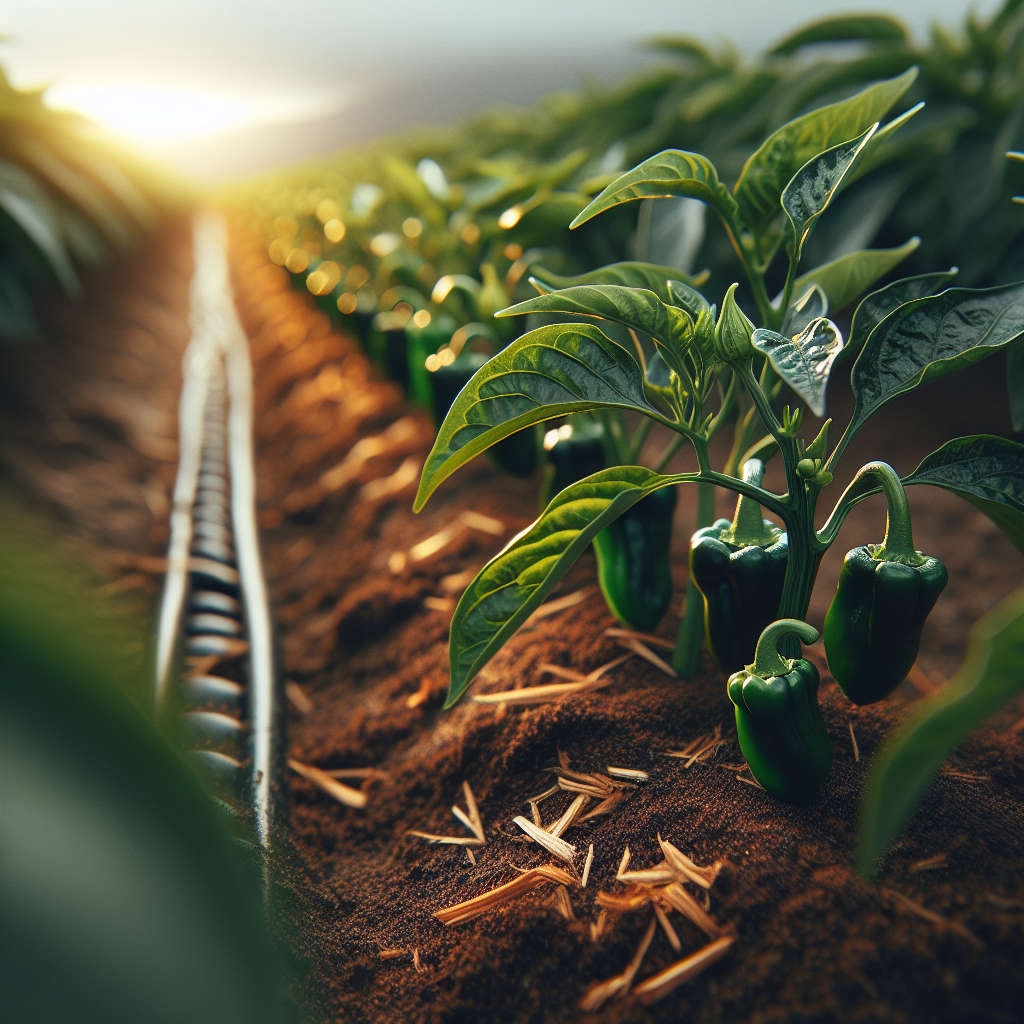
Apply mulch soon after transplanting. Organic mulch such as straw suppresses weeds and buffers soil moisture, but wait until the soil has fully warmed. In cool areas, plastic mulch often outperforms organic mulches early in the season. Install drip irrigation before or at planting so moisture can be managed precisely.
Padron peppers can also be grown in containers. Use at least a 10-15 liter pot per plant, filled with a high-quality, free-draining mix. Container plants need more frequent feeding and may require daily irrigation in midsummer.
Care & Maintenance regimes for Padron Pepper
After establishment, consistent water management is the single most important factor in crop quality. A mature in-ground planting generally needs about 25-40 mm of water per week, though this varies with soil type and weather. Sandy soils may require smaller, more frequent irrigation events, while loams can be watered more deeply and less often. The goal is to keep the top 15-20 cm of soil evenly moist. If the soil is dry 3-5 cm down and leaves begin to lose turgor before noon, irrigation is overdue. If lower leaves yellow, soil smells sour, or plants wilt despite wet ground, roots are likely oxygen-starved from overwatering.
During flowering and early fruit set, moisture swings cause blossom drop and misshapen fruits. Deep irrigation once or twice weekly is often better than shallow daily watering in field conditions, provided drainage is good. Drip irrigation is preferred because it keeps foliage dry and reduces foliar disease.
Fertility should be moderate and balanced. Before planting, a complete fertilizer can be incorporated based on soil test results. In the absence of a test, avoid pushing high nitrogen. Too much nitrogen creates dark, lush, floppy plants with delayed flowering. A useful approach is to supply a modest base fertility, then side-dress when the first fruits begin to form with a fertilizer slightly higher in potassium than nitrogen. Calcium availability must remain steady, especially in irregularly watered soils, to reduce blossom-end rot.
Magnesium deficiency appears as interveinal yellowing on older leaves; iron deficiency shows as yellowing of new leaves with green veins, especially in high-pH soils. Potassium deficiency can reduce fruit quality and lead to marginal leaf scorch later in the season. Foliar feeding can temporarily mask symptoms, but correcting pH, moisture, and root-zone nutrition is the durable solution.
Padron plants are usually compact enough to grow unsupported, but heavy fruit set can make branches splay. One short stake or a low ring support helps keep fruits off wet soil and improves airflow. Pruning is minimal. Remove damaged lower leaves, crowded interior growth, and any suckers or shoots lying on the soil. Do not over-prune; peppers rely on leaf canopy to shade fruits from sunscald.
Weed competition should be controlled early. Peppers have relatively slow early growth, and weeds can steal heat, moisture, and nutrients. Hand weed shallowly to avoid disturbing feeder roots. Mulch is the best long-term strategy.
If summer temperatures exceed 35°C repeatedly, temporary shade cloth of 20-30% can preserve pollen viability and reduce stress. In cooler climates, reflective mulch or low tunnels can accelerate production by increasing root-zone warmth.
Pests, Diseases & Organic Management
Aphids are common on tender shoot tips and the undersides of leaves. They distort new growth, excrete sticky honeydew, and may transmit viruses. Small infestations can be controlled with a strong water spray, insecticidal soap, or conservation of beneficial insects. Avoid excessive nitrogen, which makes tissues more attractive to sap-feeders.
Spider mites are favored by hot, dry conditions. Early symptoms include fine stippling, dull foliage, and eventual bronzing. Look for webbing on the undersides of leaves. Raising humidity around the canopy is less useful outdoors than simply maintaining good irrigation, reducing dust, and applying horticultural oils or soaps thoroughly when populations are still low.
Thrips can scar young fruits and spread viruses. Blue or yellow sticky traps help monitor activity, but sanitation and weed control around the planting are critical because nearby alternate hosts often maintain pest pressure. Flea beetles may chew small holes in leaves, especially on young transplants.
Cutworms can sever newly set plants at soil level; collars around stems and removal of plant debris reduce damage. Pepper weevil is a serious regional pest in some warm production areas and requires strict sanitation and removal of infested fruit.
Among diseases, Bacterial leaf spot causes dark, water-soaked lesions on leaves and fruit, especially in warm wet conditions. Copper-based sprays may suppress spread, but prevention is more effective: clean seed, disease-free transplants, crop rotation, and overhead irrigation avoidance. Anthracnose creates sunken fruit lesions, often becoming visible as fruits mature. Remove infected fruits promptly and maintain good spacing.
Phytophthora blight is among the most destructive problems in poorly drained soils. Plants may suddenly wilt, stems darken near the soil line, and fruits rot. No spray program compensates for saturated ground. Raised beds, careful irrigation, rotation, and avoiding low-lying fields are essential.
Viruses such as Cucumber mosaic virus, Tobacco mosaic virus, and Pepper mottle can cause mottling, distorted leaves, stunting, and malformed fruit. Once infected, plants do not recover. Rogue symptomatic plants immediately, sanitize hands and tools, and manage Aphids and Thrips. Never handle tobacco products before working with peppers, as tobacco mosaic-type viruses can be mechanically transmitted.
Good organic management depends on prevention: rotate away from solanaceous crops for 3-4 years where disease pressure is high, remove cull fruits, eliminate volunteer peppers and nightshade weeds, and maintain wide enough spacing for air movement.
Harvesting, Curing & Optimal Storage
Harvest for the classic culinary stage when fruits are glossy green, generally 5-8 cm long, firm, and still immature. At this stage the skin is tender and flavor is bright. Pick every 2-4 days during peak production. Frequent harvest encourages continued flowering and keeps fruits within the preferred size range.
Use scissors, snips, or careful hand picking to avoid tearing brittle branches. Hold the stem with one hand and cut the fruit with a short piece of stem attached. Rough harvesting can snap fruiting shoots and reduce later yield.
Do not wait for fruits to enlarge excessively if your goal is traditional frying quality. Older fruits often become more fibrous, develop tougher seeds, and show more variable heat. If you want red ripe fruits for drying or seed saving, leave selected pods on the plant until fully colored and physiologically mature.
Unlike thick-walled storage peppers, Padron peppers are best used fresh. Field heat should be removed soon after harvest by moving fruit into shade and then to cool storage. Store at 7-10°C with relative humidity around 90-95%. Below about 7°C, chilling injury may develop: pitting, dull skin, water-soaked areas, and accelerated decay once returned to room temperature. At proper storage conditions, fruits usually keep 1-2 weeks, though premium eating quality is highest in the first several days.
Wash only just before sale or use unless food-safety protocols require earlier washing, because free surface moisture shortens shelf life. For short-term holding, perforated bags or vented clamshells help reduce dehydration while allowing some airflow.
If drying ripe fruits, harvest fully red pods, wash, and dry thoroughly before placing in a dehydrator or warm airy drying room. Because Padron peppers are usually consumed green, curing is not a standard commercial step, but fully ripe fruits can be dried and ground or used in infused oils with careful food-safety handling.
Companion Planting for Padron Pepper
The most useful companions are those that improve pest balance, maximize bed space without competing heavily, or provide aromatic masking and pollinator support. Thai Basil is an excellent neighbor because it attracts beneficial insects, shares similar warmth requirements, and fits well at bed edges without overwhelming pepper roots. Onion works well in alternating rows or perimeter plantings, helping diversify the root zone and making efficient use of vertical space. Nasturtium can act as a trap and distraction plant for Aphids while also drawing pollinators and beneficial insects.
Low-growing lettuce, shallow-rooted herbs, and quick spring crops can be interplanted before pepper canopies fully expand. The key is to avoid aggressive companions that compete for the same moisture and fertility, especially during flowering and fruit set.
Avoid planting peppers immediately next to fennel or crowding them with large sprawling cucurbits that reduce airflow and complicate harvest. Also avoid repeated planting after tomatoes, potatoes, eggplants, or other peppers if soilborne disease has been an issue, since these crops share many pathogens and pests.
In practical garden design, companion planting should still be secondary to crop rotation, irrigation layout, and light exposure. A good companion cannot compensate for cold soil, waterlogging, or fertility imbalance. But when the fundamentals are right, strategic companions can reduce pest pressure, improve space efficiency, and make repeated harvesting easier.