Introduction to Lychee (Brewster)
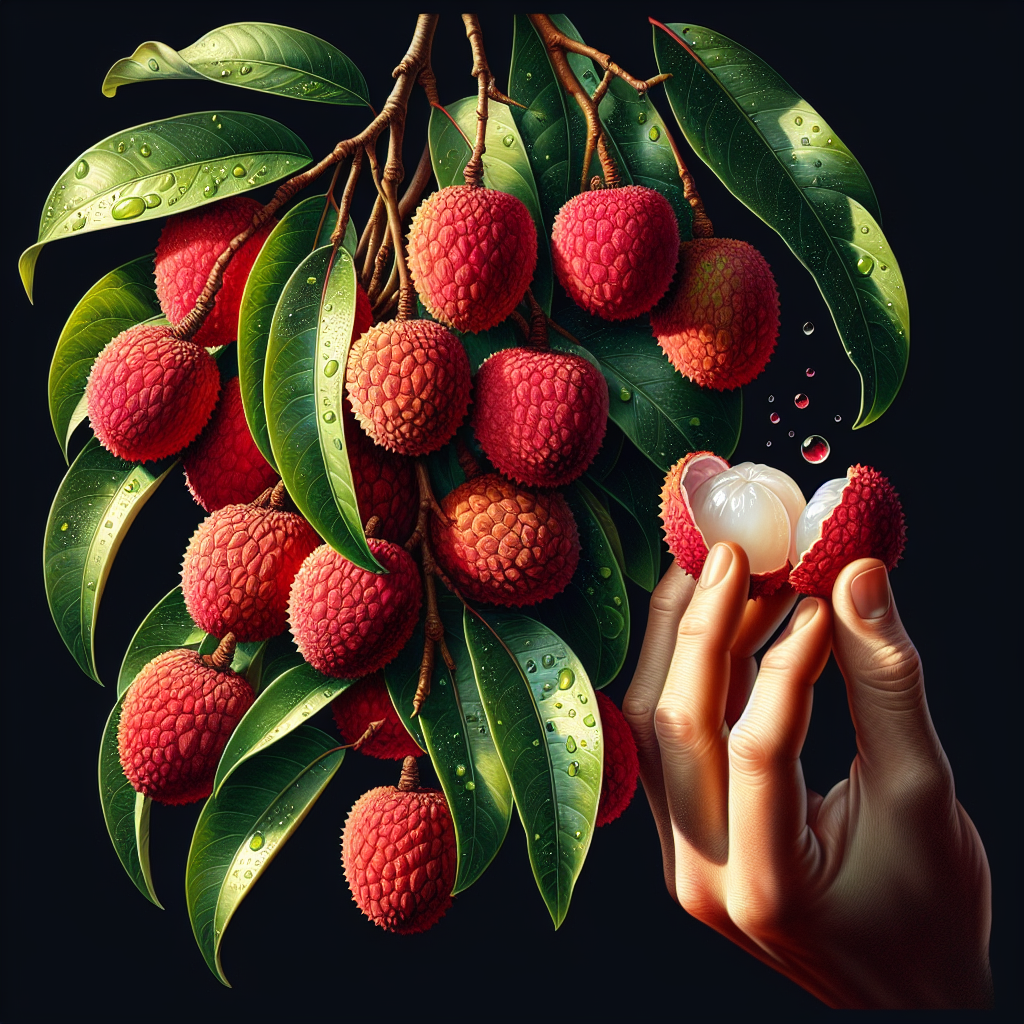
Lychee (Brewster), scientifically known as Litchi chinensis 'Brewster', stands out as one of the most prized cultivars among lychee varieties due to its exceptional fruit quality. Originating from Florida in the early 20th century, this variety was selected for its large, heart-shaped fruits that typically weigh 30-40 grams each, featuring a thin, bright red skin and translucent, white aril with minimal seed. The flavor profile is renowned for its sweet, juicy flesh with hints of rose and honey, making it a favorite in fresh markets and gourmet cuisine.
Brewster lychees thrive in subtropical to tropical climates but can be successfully grown in protected microclimates further north with proper care. Mature trees can reach 10-15 meters in height, producing heavy crops every other year under optimal conditions—up to 100-200 kg of fruit per tree. This guide provides professional-grade advice for growers, from soil preparation to pest management, ensuring maximum productivity and fruit quality. For those integrating lychees into diverse orchards, pairing with mango can enhance pollination and microclimate benefits.
Growers appreciate Brewster's vigor and disease resistance compared to other cultivars, though it requires attention to water management and frost protection. With proper establishment, trees begin bearing in 4-6 years, offering long-term profitability. This deep-dive covers all aspects for both novice and experienced agriculturists aiming for bountiful harvests.
Botanical Profile of Lychee (Brewster)
Lychee (Brewster) belongs to the Sapindaceae family, a evergreen tree native to southern China but widely cultivated in subtropical regions worldwide. The cultivar 'Brewster' is characterized by its upright, dense canopy with pinnate leaves 15-25 cm long, composed of 4-8 pairs of glossy, lanceolate leaflets. New growth emerges bronze-red before maturing to deep green, providing year-round aesthetic appeal.
Flowers are small, greenish-white, and borne in panicles up to 50 cm long during spring. Brewster is partially parthenocarpic but benefits from cross-pollination with varieties like 'Mauritius' or guava in mixed plantings for improved set. Fruits develop from May to July in the Northern Hemisphere, ripening to a vibrant crimson husk that peels easily to reveal the sweet aril encasing a single brown seed.
Root systems are fibrous and shallow, extending 2-3 times the canopy width, making mulching essential for moisture retention. Trees exhibit alternate bearing, with heavy 'on' crops followed by lighter 'off' years; cultural practices like root pruning can mitigate this. Brewster's wood is hard and used traditionally for tools, while its resilience to wind makes it suitable for coastal plantings.
Soil, pH, and Climate Requirements for Lychee (Brewster)
Brewster lychees demand well-drained, fertile soils rich in organic matter, ideally sandy loams or volcanic soils with good aeration. Heavy clays lead to root rot, so raised beds or mounds (30-50 cm high) are recommended in poorly drained areas. Optimal pH ranges from 5.5-7.0; test soil annually and amend with dolomite lime if below 5.5 to prevent nutrient lockout.
Climate-wise, Brewster requires frost-free conditions with minimum temperatures above -2°C; prolonged freezes below -4°C can kill young trees. Ideal temperatures are 20-32°C during growth, with high humidity (60-80%) aiding fruit development. It tolerates light frosts once established but needs protection via frost blankets or overhead irrigation for tender growth. Annual rainfall of 1200-2500 mm is perfect, supplemented by drip irrigation during dry spells.
Full sun (6-8 hours daily) is non-negotiable for fruit quality; partial shade reduces yields by 30-50%. Windbreaks using native shrubs protect blossoms from desiccation. For small farms combating heat stress, check out Why Summer Heatwaves Are Silently Killing Small Farm Yields - And 7 Organic Strategies to Fight Back. Site selection on slopes improves drainage and cold air drainage.
Step-by-Step Planting & Propagation
Propagation: Air-layering (marcotting) is the gold standard for Brewster, yielding 90% success. Select 2-3 year-old branches (1-2 cm diameter), girdle 5 cm wide, apply rooting hormone (IBA 5000 ppm), wrap in moist sphagnum moss and plastic, and root in 6-8 weeks. Seed propagation is unreliable due to heterozygosity, producing off-types.
Planting: Plant in early spring or post-harvest (fall in subtropics). Dig holes 60x60x60 cm, fill with 50% native soil + 50% compost + 200g superphosphate. Space trees 8-10 m apart (100-150 trees/ha for high-density). For container starts, acclimate 2 weeks before transplanting.
Step 1: Prepare site with deep tillage and incorporate 10-20 kg compost/m². Step 2: Plant at same depth as container, stake firmly, and mulch 10 cm deep with organic material. Step 3: Water deeply (50-100 L/tree) immediately and weekly until established. Step 4: Apply micronutrients (Zn, Fe, Mn) via foliar sprays in first year. Graft onto rootstocks like 'Tai So' for salinity tolerance if needed.
Care & Maintenance regimes for Lychee (Brewster)
Irrigation: Drip irrigate to maintain 60-80% field capacity; deficit irrigation post-harvest promotes flowering. Avoid waterlogging to prevent Phytophthora.
Fertilization: Annual program: 200-500g N, 100-300g P, 200-400g K per tree, split into 4 applications. Foliar urea (2%) during flush. Mature trees need 1-2 kg complete fertilizer/year.
Pruning: Post-harvest, remove deadwood and water shoots; tip prune to encourage branching. Ring pruning every 3-4 years boosts yields by 20-30%.
Mulching: 10-15 cm organic mulch conserves water and suppresses weeds. Weed control via shallow cultivation or cover crops like clover. Monitor for nutrient deficiencies: yellow young leaves indicate iron chlorosis.
Pests, Diseases & Organic Management
Pests: Common invaders include aphids, mealybugs, and fruit flies. Use neem oil (2-3 ml/L) weekly or introduce ladybugs. For scale insects, horticultural oil smothers crawlers.
Diseases: Anthracnose causes flower blight; apply copper fungicide pre-bloom. Manage root rot with phosphonate drenches and improved drainage. Organic growers succeed with Why 90% of Small Farms Fail at Pest Management - And 8 Organic Fixes That Actually Work.
Integrated Approach: Beneficial insects, reflective mulches, and sanitation reduce inputs by 50%. Scout weekly; threshold: 5% infested panicles.
Harvesting, Curing & Optimal Storage
Harvest when 80% rind turns red and aril separates easily (Brix >18°). Clip clusters with secateurs, avoiding stem damage. Yield peaks at 10-15 years.
Curing: Cool to 10°C within 4 hours post-harvest; hydrocooling extends shelf life. Storage: 5°C at 90-95% RH for 3-4 weeks; ethylene absorbers prevent browning. For markets, pack in ventilated cartons with sulfur pads. Market fresh or process into dried fruit, preserving antioxidants.
Companion Planting for Lychee (Brewster)
Enhance orchard health with companions: Thai basil repels flies; marigold deters nematodes; legumes like peas fix nitrogen. Avoid potato due to shared pests. Interplant pineapple for ground cover and weed suppression. These boost biodiversity, pollinators, and soil health for sustained yields.