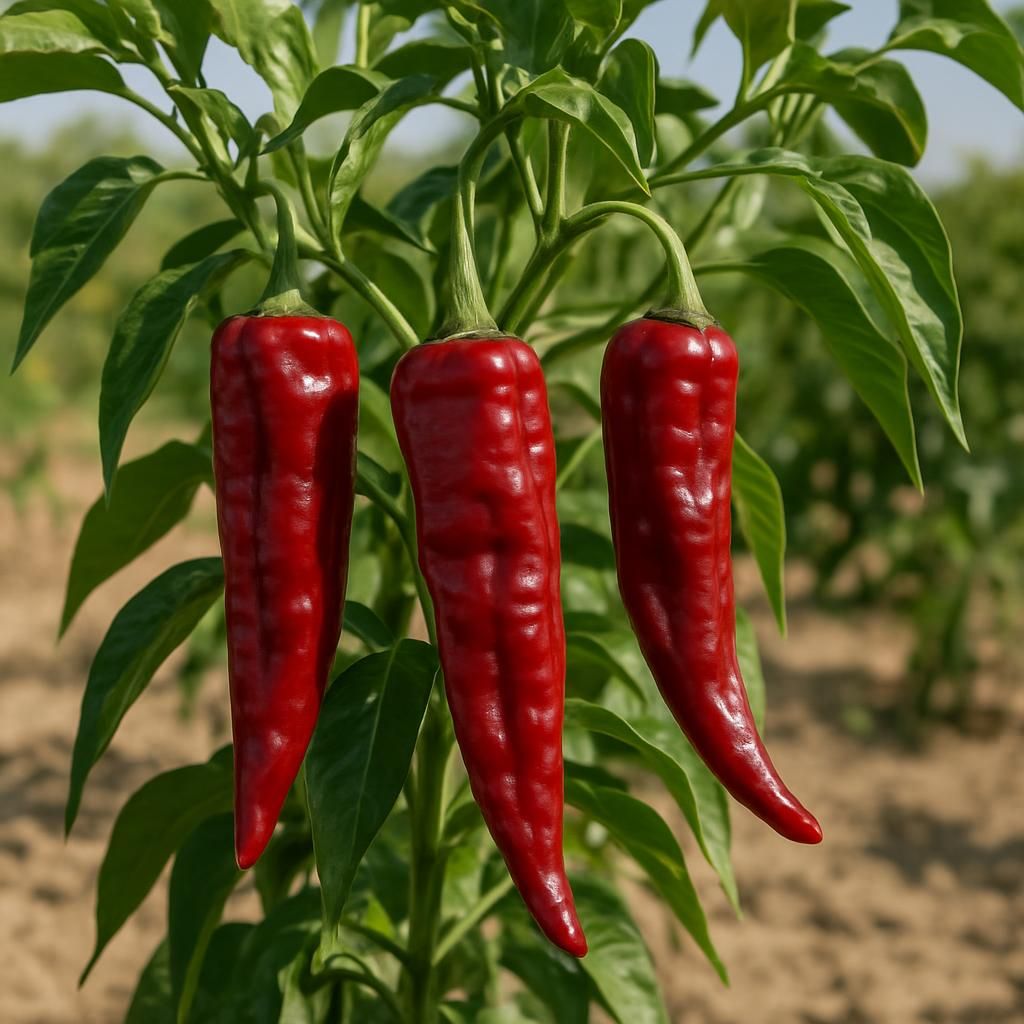
Introduction to Guajillo Pepper
The Guajillo Pepper (Capsicum annuum) is one of Mexico’s most iconic dried chiles, renowned for its mild heat (2,500–5,000 Scoville Heat Units), sweet berry notes, and deep reddish-brown hue. Unlike hotter varieties such as the Ghost Pepper, the Guajillo offers subtle complexity that shines in moles, salsas, and spice blends. Commercial growers and home gardeners alike value its reliable productivity, disease resistance, and adaptability to both field and greenhouse systems. This comprehensive guide delivers professional-grade cultivation advice for consistent, high-quality harvests.
Botanical Profile of Guajillo Pepper
Guajillo belongs to the Solanaceae family and is botanically classified as Capsicum annuum. Plants typically reach 60–90 cm in height with a semi-determinate growth habit. Leaves are lanceolate, dark green, and slightly glossy. Flowers are small, white, and self-pollinating, although insect activity can increase fruit set. Fruits are elongated (10–15 cm), thin-walled, and taper to a point, maturing from green to a rich, glossy red. The thin pericarp dries quickly, preserving flavor and color—key traits that distinguish Guajillo from thicker-walled peppers such as Bell Pepper.
Soil, pH, and Climate Requirements for Guajillo Pepper
Guajillo thrives in well-drained, fertile loam or sandy loam soils rich in organic matter. The crop prefers full sun exposure of at least 8 hours daily and performs best in warm-season conditions. Avoid heavy clay soils that retain excess moisture and promote root diseases.
| Parameter | Ideal Range/Value | Notes |
|---|---|---|
| Soil Type | Loam or sandy loam | High organic matter improves structure |
| Soil pH | 6.0–7.0 | Slightly acidic to neutral; test annually |
| Temperature (Day) | 21–29 °C (70–85 °F) | Optimal fruit set occurs in this range |
| Temperature (Night) | 15–21 °C (59–70 °F) | Below 13 °C slows growth |
| Frost Tolerance | None | Protect or transplant after last frost |
| Sunlight | Full sun (≥8 hours) | Insufficient light reduces yield |
| Soil Drainage | Excellent | Raised beds recommended in heavy soils |
| Spacing | 45–60 cm between plants; 75–90 cm rows | Allows airflow and easy harvest |
Step-by-Step Planting & Propagation
Start seeds indoors 8–10 weeks before the last expected frost. Sow 0.5 cm deep in sterile seed-starting mix at 24–27 °C. Germination occurs in 7–14 days. Harden off seedlings for 7–10 days once they develop 4–6 true leaves. Transplant outdoors when soil temperature reaches 18 °C and nighttime air temperatures remain above 13 °C. Space plants 45–60 cm apart in rows 75–90 cm wide. For direct seeding in warm climates, sow after soil warms to 21 °C and thin to final spacing. Use drip irrigation at planting to settle roots without compaction.
Care & Maintenance regimes for Guajillo Pepper
Consistent moisture, balanced nutrition, and timely pruning are essential for high yields and disease prevention. Mulch with 5–8 cm of organic material to conserve moisture and suppress weeds. Monitor plants weekly for nutrient deficiencies and adjust feeding accordingly.
| Growth Stage | Watering Frequency | Fertilizer Schedule | Pruning & Training |
|---|---|---|---|
| Seedling/Transplant | Keep evenly moist; 2–3× weekly | Low-nitrogen starter (NPK 5-10-10) at transplant | Remove lower leaves touching soil |
| Vegetative | 2.5–4 cm/week; deep infrequent | High-nitrogen (NPK 10-5-5) every 3 weeks | Pinch growing tip at 30 cm for bushiness |
| Flowering/Fruit Set | Maintain even moisture | Balanced (NPK 8-8-8) every 2–3 weeks | Remove suckers below first branch |
| Ripening | Reduce slightly to concentrate flavor | Low-nitrogen, potassium-rich (NPK 5-5-10) monthly | Remove damaged or diseased foliage |
Pests, Diseases & Organic Management
Common insect pests include Aphids, Spider Mites, Thrips, and Flea Beetles. Monitor with yellow sticky traps and release beneficial insects such as lady beetles and lacewings. For organic control, apply insecticidal soap or neem oil at the first sign of infestation. Major diseases are Bacterial Spot, Powdery Mildew, and Phytophthora Blight. Practice crop rotation with non-solanaceous crops, ensure good airflow through proper spacing, and avoid overhead irrigation. Copper-based fungicides and potassium bicarbonate sprays provide effective organic suppression when applied preventively.
Harvesting, Curing & Optimal Storage
Harvest Guajillo peppers when fruits reach full red color and skins begin to feel slightly leathery (approximately 75–85 days after transplant). Use clean pruners to cut stems, leaving a short peduncle. For fresh use, store at 7–10 °C with 85–90 % relative humidity for up to two weeks. For drying, lay pods in a single layer in a warm, well-ventilated area or use a dehydrator at 35–40 °C until brittle. Store dried pods in airtight containers away from light and heat; properly cured Guajillo retains peak flavor for 12–18 months. For long-term preservation, freeze whole dried pods or grind into powder.
Companion Planting for Guajillo Pepper
Strategic companions enhance pollination, deter pests, and improve soil health. Basil and Thai Basil repel aphids and thrips while attracting beneficial insects. Marigolds suppress nematodes and provide visual barriers. Nasturtium acts as a trap crop for aphids. Avoid planting near Fennel or other members of the Apiaceae family that may inhibit growth. Interplant with Tomato or Eggplant for efficient use of space and shared cultural requirements, but rotate away from solanaceous crops the following season to break disease cycles.
For additional insights on optimizing small-farm resilience through thoughtful planning, read The Overlooked Art of Seasonal Harvest Timing for Small Farm Profit.