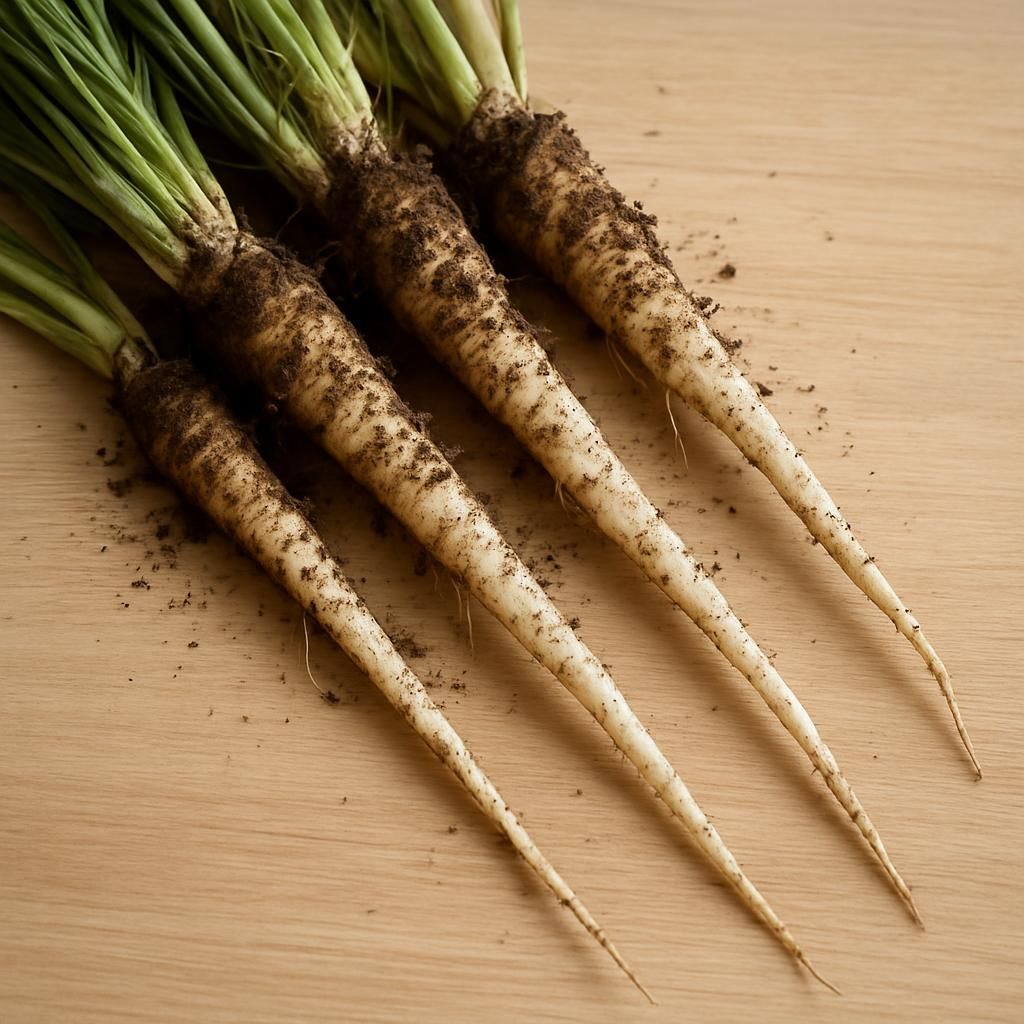
Introduction to Tragopogon porrifolius
Tragopogon porrifolius, better known as salsify or oyster plant, is an underappreciated cool-season biennial root crop that deserves a place in every serious vegetable garden. Its long, slender taproots deliver a delicate flavor often compared to oysters, making it a favorite among chefs and home cooks seeking unique culinary experiences. Beyond its taste, the plant provides edible young shoots and flower buds, extending its usefulness throughout the growing season.
The crop traces its origins to the Mediterranean region and has been cultivated for centuries across Europe and North America. Gardeners appreciate its tolerance for poor soils and its ability to overwinter in many climates, providing fresh harvests well into spring. With increasing interest in heritage vegetables and sustainable growing practices, Tragopogon porrifolius is experiencing renewed popularity among small farms and homesteaders.
This definitive guide covers every aspect of successful cultivation, from soil preparation through harvest and storage. Whether you are expanding your root vegetable repertoire or seeking a low-maintenance crop for cool-season production, salsify offers dependable returns with minimal inputs.
Botanical Profile of Tragopogon porrifolius
Tragopogon porrifolius belongs to the Asteraceae family and is closely related to other composite plants such as chicory and dandelion. The plant produces a rosette of long, grass-like leaves that emerge from a central crown. In its first year, it focuses energy on developing a thick, fleshy taproot that can reach 30 cm or more in length.
During the second year, the plant sends up a tall flowering stalk reaching 90–120 cm, topped with large, dandelion-like yellow flowers. These flowers open in the morning and close by afternoon, a characteristic that gives the genus its common name “goat’s beard.” After pollination, the flowers produce fluffy seed heads similar to dandelions, facilitating wind dispersal.
The taproot is the primary edible portion, featuring a creamy white interior and thin, brownish skin. When harvested young, the texture is tender; older roots become woody if left too long. The young leaves and unopened flower buds are also edible and can be prepared similarly to asparagus or spinach.
Soil, pH, and Climate Requirements for Tragopogon porrifolius
Tragopogon porrifolius thrives in well-drained, loose soils that allow straight root development without forking. Heavy clay soils should be amended with organic matter or sand to improve structure and drainage. Raised beds are ideal in regions with compacted or poorly drained ground.
The crop prefers full sun but tolerates partial shade in hotter climates. Consistent moisture is essential during germination and early growth, while established plants show moderate drought tolerance. Cool temperatures between 10–20 °C promote optimal root development, and the plant can withstand light frosts.
| Parameter | Ideal Range/Value | Notes |
|---|---|---|
| Soil Type | Sandy loam to loam | Avoid heavy clay; amend with compost |
| Soil pH | 6.0–7.5 | Slightly acidic to neutral; test annually |
| Temperature Range | 10–20 °C (day); 5–12 °C (night) | Cool-season crop; bolt in heat |
| Sunlight | Full sun (6+ hours) | Partial shade acceptable in summer |
| Spacing | 5–8 cm between plants; 30 cm rows | Thin seedlings to prevent crowding |
| Soil Moisture | Consistently moist | Critical during germination |
| Frost Tolerance | Light frosts tolerated | Protect young seedlings from hard freezes |
Step-by-Step Planting & Propagation
Salsify is almost always grown from seed. Direct sowing is recommended because the plant dislikes root disturbance. Begin by preparing a fine, weed-free seedbed in early spring, as soon as soil can be worked.
Sow seeds 1–2 cm deep in rows spaced 30 cm apart. Keep soil evenly moist until germination, which typically occurs in 7–14 days. Thin seedlings to 5–8 cm spacing once they reach 5 cm in height to allow adequate room for root expansion.
For a continuous harvest, make successive sowings every 3–4 weeks through late spring. In mild winter regions, fall sowing produces early spring roots. Seeds remain viable for 2–3 years when stored in cool, dry conditions.
Care & Maintenance regimes for Tragopogon porrifolius
Once established, Tragopogon porrifolius requires minimal intervention. Keep beds free of weeds, especially during the first six weeks when seedlings are small. A 5–8 cm layer of organic mulch helps retain moisture and suppress weeds.
Water deeply but infrequently once roots are established, aiming for about 2.5 cm per week. Avoid overwatering, which can cause root rot. Side-dress with a balanced organic fertilizer or well-rotted compost midway through the growing season if growth appears slow.
| Growth Stage | Water Schedule | Fertilizer Schedule | Pruning/Maintenance |
|---|---|---|---|
| Germination (0–3 weeks) | Keep soil evenly moist daily | None | Thin seedlings to 5–8 cm |
| Vegetative (3–10 weeks) | 2.5 cm/week; deep weekly soak | Light compost tea at week 6 | Mulch 5–8 cm; weed regularly |
| Root Development (10+ weeks) | Reduce to 2 cm/week if rainfall adequate | Optional balanced organic at mid-season | Remove flower stalks if root harvest intended |
| Overwintering | Minimal; protect from extreme freeze | None | Cut back foliage after first hard frost |
Pests, Diseases & Organic Management
Tragopogon porrifolius is relatively pest-resistant but can be affected by Aphids and Slugs during wet periods. Floating row covers provide effective physical barriers against flying insects. Handpick slugs or use iron-phosphate baits approved for organic production.
Root-knot nematodes may cause galls on roots in sandy soils. Crop rotation with non-host plants such as Onion or Garlic helps break nematode cycles. Fungal issues like Powdery mildew are rare but can appear in crowded, humid plantings; improve airflow by proper spacing.
Organic management emphasizes prevention: maintain healthy soil biology, avoid overhead irrigation late in the day, and remove crop debris after harvest to reduce overwintering sites for pests and pathogens.
Harvesting, Curing & Optimal Storage
Harvest salsify roots when they reach 2–3 cm in diameter, typically 100–120 days after sowing. Loosen soil carefully with a fork to avoid breaking the long taproots. In mild climates, roots can remain in the ground through winter and be dug as needed.
After harvest, gently brush off soil without washing. Store roots in a cool, humid environment (0–4 °C, 90–95 % RH) for up to three months. Alternatively, pack in damp sand or sawdust in a root cellar. Young shoots harvested in spring can be blanched and eaten like asparagus.
Companion Planting for Tragopogon porrifolius
Salsify pairs well with other cool-season crops that share similar cultural requirements. Compatible companions include Carrot, Radish, and Lettuce. These plants do not compete heavily for nutrients and can be harvested at different times, maximizing bed productivity.
Avoid planting near Potato or members of the Brassicaceae family, as they may attract shared pests or deplete similar soil nutrients. Aromatic herbs such as Thyme and Rosemary can deter aphids when interplanted.
For more on strategic crop pairings that enhance resilience, see Summer Companion Planting: 10 Organic Pairings to Boost Small Farm Resilience.