Introduction to maximilian sunflower
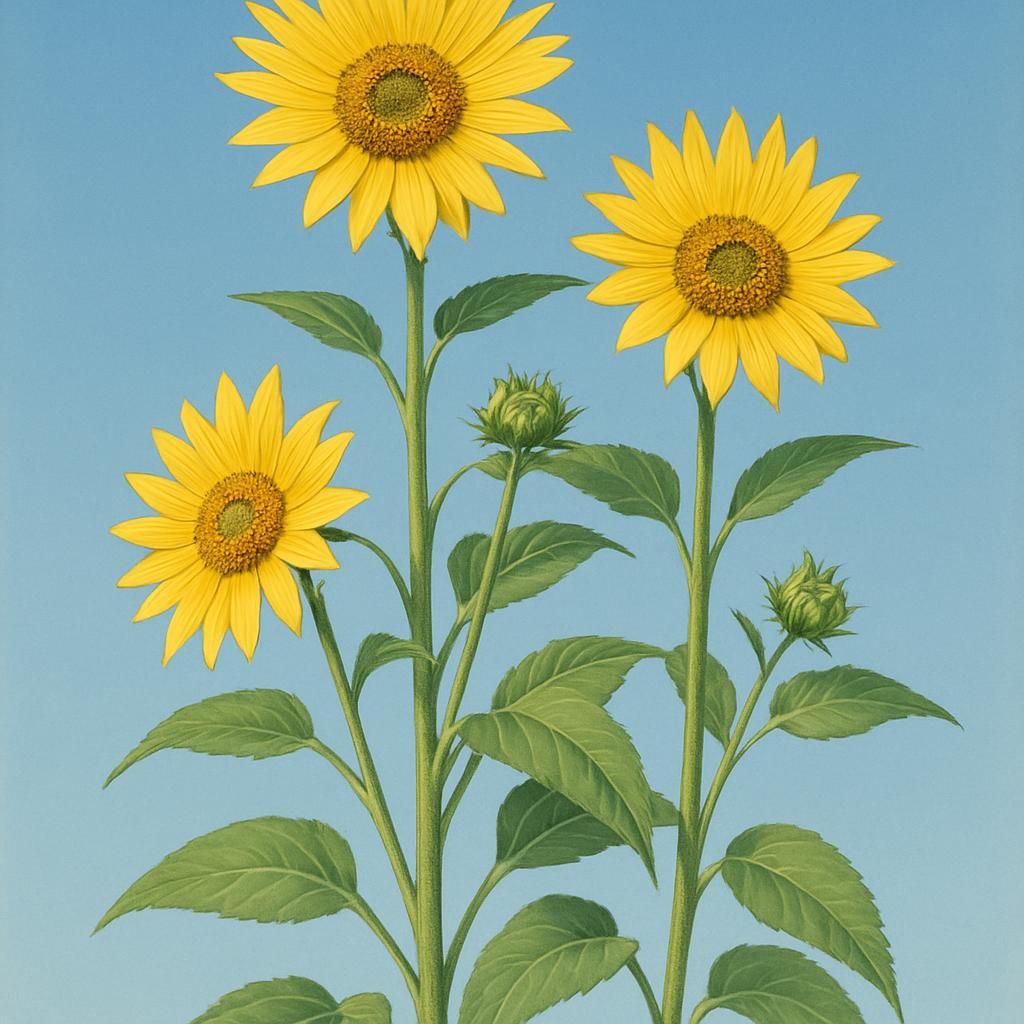
Maximilian sunflower (Helianthus maximiliani) is a robust perennial native to the Great Plains and central North America. Unlike annual Sunflower, it returns each year from a deep, fibrous root system, making it ideal for soil stabilization, wildlife habitat, and low-input biomass systems. The plant reaches 3–10 feet in height and produces clusters of bright yellow, 2–3 inch flowers from August through October. Its drought tolerance once established and ability to thrive on marginal land have made it a favorite among regenerative farmers and restoration ecologists.
Beyond its ornamental value, maximilian sunflower supports a wide range of pollinators including native bees, butterflies, and beneficial predatory insects. Its seeds provide late-season forage for songbirds and small mammals, while the tall stems create winter cover. Because it spreads slowly via short rhizomes rather than aggressive runners, it integrates well into mixed perennial plantings without becoming invasive.
Botanical Profile of maximilian sunflower
Maximilian sunflower belongs to the Asteraceae family. It features alternate, lance-shaped leaves 4–8 inches long with rough surfaces and prominent veins. Stems are sturdy, often reddish, and may branch in the upper third. Flower heads consist of 15–25 bright yellow ray florets surrounding a darker central disk. The plant forms clonal colonies over time but spreads at a manageable rate of 6–12 inches per year under typical conditions.
Soil, pH, and Climate Requirements for maximilian sunflower
Maximilian sunflower adapts to a wide range of soil textures but performs best in well-drained loams with moderate fertility. It tolerates poor soils and occasional flooding but declines in heavy, waterlogged clay. The following table summarizes ideal growing conditions:
| Parameter | Ideal Range | Notes |
|---|---|---|
| Soil Texture | Loam to sandy loam | Tolerates clay if amended for drainage |
| Soil pH | 6.0–7.5 | Performs well in slightly acidic to neutral |
| USDA Hardiness Zones | 3–9 | Fully hardy to -40 °F |
| Temperature Range | 50–85 °F daytime | Heat and drought tolerant once established |
| Annual Rainfall | 15–40 inches | Supplemental water only during establishment |
| Sun Exposure | Full sun (6+ hours) | Reduced flowering in partial shade |
| Elevation | Sea level to 7,000 ft | Thrives across diverse topographies |
Step-by-Step Planting & Propagation
Maximilian sunflower is most reliably established from bare-root divisions or container-grown plants. Seed can be used but requires cold stratification for 60–90 days at 35–40 °F. Divide mature clumps in early spring or late fall when plants are dormant. Plant divisions 18–24 inches apart in rows spaced 3–4 feet apart to allow for mature spread.
Prepare the site by removing perennial weeds and incorporating 2–3 inches of compost into the top 8 inches of soil. Set plants at the same depth they were grown in the nursery. Water thoroughly after planting and apply a 2-inch layer of organic mulch to conserve moisture and suppress weeds during the first season. Expect 12–18 inches of top growth the first year and full height plus flowering by year two.
Care & Maintenance regimes for maximilian sunflower
Once established, maximilian sunflower requires minimal inputs. The following table outlines recommended water, fertilizer, and pruning schedules:
| Season | Watering | Fertilizer | Pruning / Maintenance |
|---|---|---|---|
| Spring | 1 inch/week until established | ½ lb N/acre at green-up (optional) | Cut back dead stems to 6 inches |
| Summer | Deep soak every 10–14 days | None required | Remove spent flower heads to reduce seed set if desired |
| Fall | Reduce to natural rainfall | Compost top-dress (½ inch) | Leave stems for winter wildlife habitat |
| Winter | None | None | Mow or leave standing for erosion control |
Avoid high-nitrogen fertilizers after establishment, as they promote lush foliage at the expense of flowering and root development.
Pests, Diseases & Organic Management
Maximilian sunflower is generally pest-resistant but can host common sunflower pests. Aphids may colonize tender shoot tips in spring; strong water sprays or insecticidal soap provide control. Spider mites can appear during prolonged drought—mitigate with overhead irrigation and encouraging predatory mites. Occasional grasshoppers may chew leaves but rarely cause economic damage.
Fungal issues such as powdery mildew or rusts appear in humid conditions. Improve air circulation by proper spacing and remove infected foliage. Root rot can occur in poorly drained soils; ensure adequate drainage and avoid overwatering young plants. Beneficial insects and birds usually keep pest populations below damaging thresholds.
Harvesting, Curing & Optimal Storage
Harvest stems for cut flowers when 30–50 % of disk florets are open. For seed production, allow heads to dry on the plant until bracts turn brown. Cut heads and hang upside-down in a well-ventilated area for 2–3 weeks. Thresh seeds by hand or with a small thresher and store in breathable bags at 40–50 °F and 40 % relative humidity. Viability remains high for 3–5 years under proper conditions.
Companion Planting for maximilian sunflower
Maximilian sunflower pairs well with other tall perennials and native grasses. Compatible companions include Big Bluestem (not listed), Purple Coneflower (not listed), and Switchgrass (not listed). It also integrates successfully with Clover and Yarrow in pollinator strips. Avoid planting near shallow-rooted annual vegetables that may be shaded by its height. Its late-season blooms extend forage resources for beneficial insects that also protect earlier crops such as Tomato and Pepper.