Introduction to Masterwort (Peucedanum ostruthium)
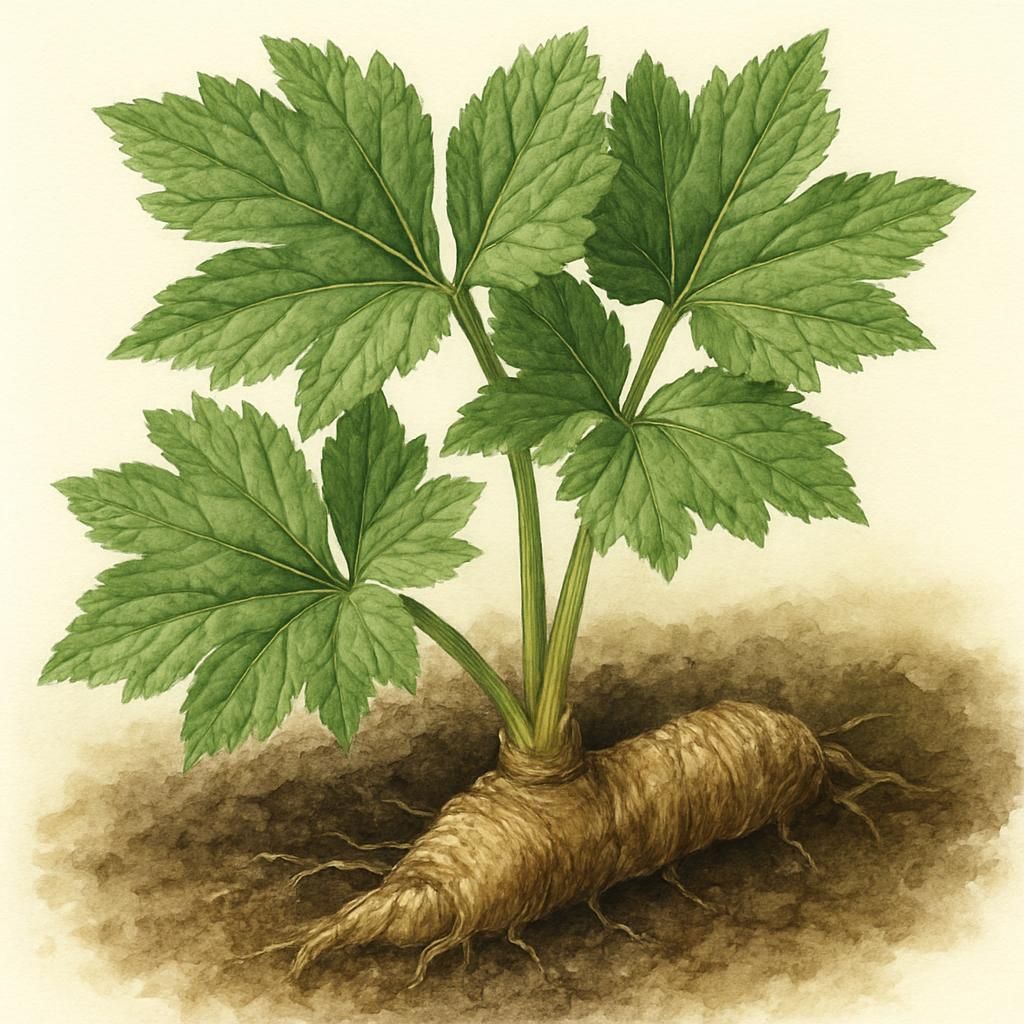
Masterwort (Peucedanum ostruthium), also known as masterwort or imperatoria, is a robust perennial herb native to the mountainous regions of central and southern Europe. Historically prized by herbalists and monastic gardens, the plant produces thick, aromatic rhizomes that were once considered a panacea for digestive and respiratory ailments. Today, professional growers value Masterwort for its reliable performance in cool-climate herb production systems and its ability to support biodiversity in mixed perennial plantings.
The crop offers dual-purpose value: the young leaves can be used sparingly as a culinary herb with a celery-parsley flavor, while the dried roots are processed into tinctures and teas. Because the plant is slow-growing and long-lived, it suits small-scale specialty farms and medicinal herb enterprises seeking low-maintenance, high-value perennials.
Botanical Profile of Masterwort (Peucedanum ostruthium)
Masterwort belongs to the Apiaceae family and is closely related to other aromatic umbellifers such as Parsley and Coriander. Mature plants reach 60–120 cm in height with large, tripinnate leaves that are deeply divided and slightly glaucous. In the second year, the plant sends up stout, hollow flowering stems bearing compound umbels of small white flowers that attract beneficial pollinators.
The most economically important part is the thick, fleshy rhizome, which develops a strong, resinous aroma when dried. The plant is fully hardy to USDA zone 4 and can persist for 8–12 years under good management. Its deep taproot system improves soil structure over time but requires careful handling during division to avoid damage.
Soil, pH, and Climate Requirements for Masterwort (Peucedanum ostruthium)
Masterwort performs best in cool, moist climates with well-drained yet consistently moist soils. It tolerates partial shade but produces higher root biomass in full sun when moisture is adequate. Avoid heavy clay or waterlogged sites, as root rot can quickly reduce stand longevity.
| Parameter | Ideal Range | Notes |
|---|---|---|
| Soil Type | Loamy, well-drained | Sandy loam with high organic matter preferred |
| Soil pH | 6.0 – 7.2 | Slightly acidic to neutral |
| Temperature Range | 10–22 °C daytime | Cool-season perennial; avoid prolonged heat |
| Annual Rainfall | 600–1200 mm | Supplemental irrigation needed in dry periods |
| USDA Hardiness Zones | 4–8 | Mulch crowns in zone 4 winters |
| Light Requirement | Full sun to partial shade | More sun increases root yield |
| Elevation Preference | 300–2000 m | Mountainous origins favor cooler nights |
Step-by-Step Planting & Propagation
Masterwort is most reliably established from divisions of mature rhizomes rather than seed. Begin site preparation the season prior by incorporating 5–8 cm of well-rotted compost and correcting pH if necessary. In early spring, when soil temperatures reach 8–10 °C, divide healthy mother plants into sections each containing at least one growing point and 10–15 cm of root.
Plant divisions 30 cm apart in rows 60 cm wide, setting the crown just below soil level. Firm the soil and water thoroughly. For seed propagation, sow fresh seed in late summer or early autumn in a cold frame; germination occurs the following spring after natural stratification. Seedlings should be transplanted at the two-true-leaf stage into 10 cm pots and grown on for one season before field planting.
Care & Maintenance regimes for Masterwort (Peucedanum ostruthium)
Consistent moisture and annual organic matter additions are the foundation of successful Masterwort culture. Mulch with 5 cm of leaf mold or straw to conserve moisture and suppress weeds. Remove flower stems in the first year to direct energy into root development; allow flowering from year two onward to support pollinator habitat.
| Season | Watering Schedule | Fertilizer Application | Pruning/Maintenance |
|---|---|---|---|
| Spring | 25–30 mm/week if rainfall <20 mm | Top-dress 3–5 kg/m² well-rotted compost | Cut back dead foliage; divide if crowded |
| Summer | 30–40 mm/week during active growth | Side-dress 50 g/m² balanced organic fertilizer (4-4-4) mid-June | Deadhead spent umbels to reduce self-seeding |
| Autumn | Reduce to 15 mm/week after harvest | Apply 2 cm layer of leaf mold | Cut foliage to 10 cm after first frost |
| Winter | Maintain light mulch moisture | None required | Protect crowns with 10 cm straw mulch |
Pests, Diseases & Organic Management
Masterwort is relatively pest-resistant but can be affected by Aphids and Slugs during wet springs. Monitor for aphid colonies on new growth and use strong water sprays or insecticidal soap as needed. Slugs may damage young leaves; beer traps and copper barriers provide effective control.
Root rots caused by Pythium and Phytophthora can occur in poorly drained soils. Improve drainage and avoid over-irrigation. Occasional leaf spot caused by Alternaria may appear in humid conditions; remove affected foliage and ensure good air circulation. Rotate plantings every 6–8 years to break disease cycles.
Harvesting, Curing & Optimal Storage
Harvest roots in the third or fourth year during autumn when foliage begins to yellow. Lift plants carefully with a fork, shake off soil, and cut tops to 5 cm. Wash roots gently and dry in a shaded, well-ventilated area at 25–30 °C for 7–10 days until brittle. Store dried roots whole in airtight containers in a cool, dark place for up to two years. For fresh use, young leaves can be harvested throughout the growing season.
Companion Planting for Masterwort (Peucedanum ostruthium)
Masterwort pairs well with other cool-season perennials and herbs that share similar moisture and soil requirements. Compatible companions include Thyme, Yarrow, and Nasturtium, which help deter aphids and improve biodiversity. Avoid planting near heavy feeders such as Corn or Tomato that may compete for nutrients. Interplanting with deep-rooted legumes like Clover can improve soil nitrogen levels and support long-term stand health.