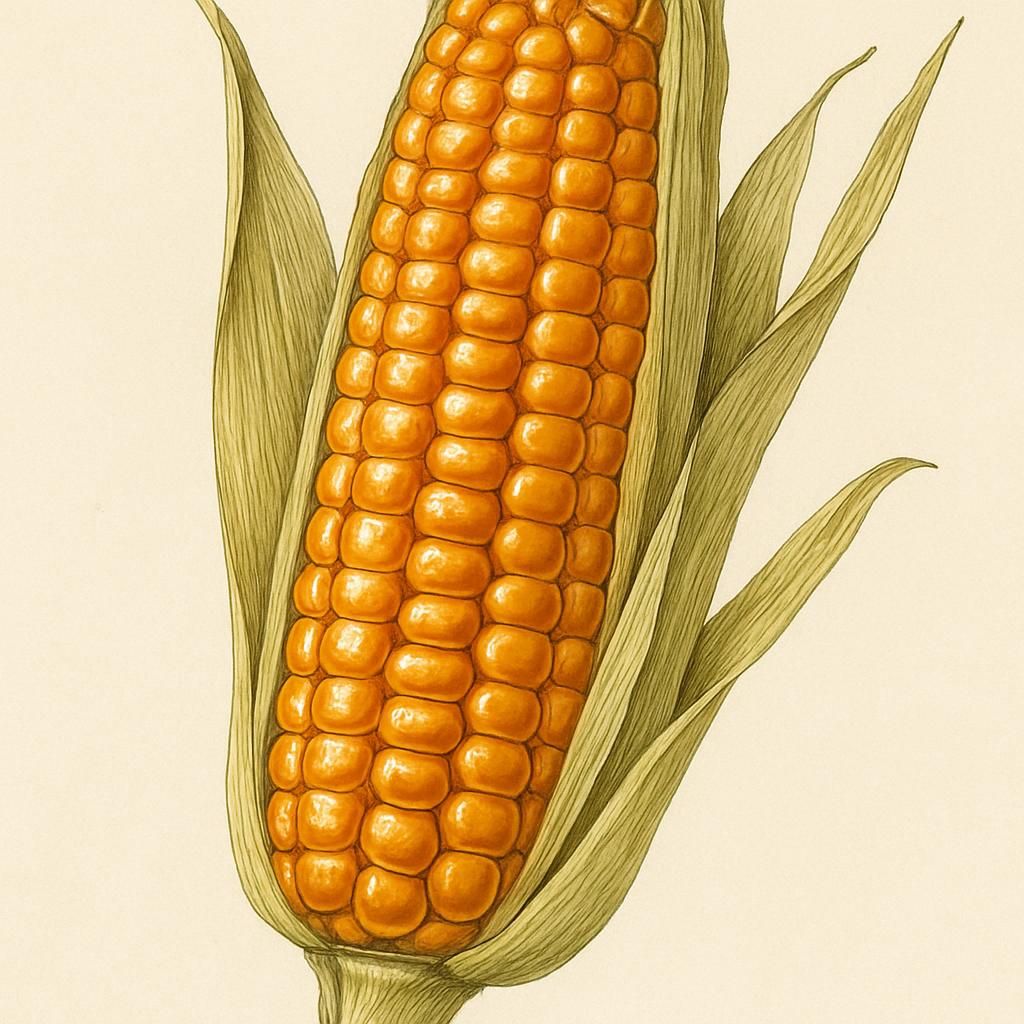
Introduction to Maize (Longfellow Flint)
Longfellow Flint is a notable variety of flint corn, celebrated for its hard, glossy kernels. It is an heirloom crop with historical significance, often grown for its durable seeds that are used in milling for cornmeal and animal feed. Its adaptability to various climates and distinguished heritage make it a desirable choice for both small and large-scale farmers.
Botanical Profile of Maize (Longfellow Flint)
Maize (Zea mays), especially the Longfellow Flint variety, belongs to the Poaceae family. Flint corn is known for its hard outer layer and floury core, distinguishing it from other maize types like Dent Corn (Yellow Dent) and Sweet Corn (Honey Select). This variety typically reaches maturity within 100 to 120 days.
Soil, pH, and Climate Requirements for Maize (Longfellow Flint)
Longfellow Flint thrives in well-drained loamy soils, preferably with a neutral to slightly acidic pH. Adequate sunlight and moderate rainfall are critical for optimal growth.
| Parameter | Ideal Condition |
|---|---|
| Soil Type | Loam |
| Soil pH | 6.0 - 7.0 |
| Light | Full sun |
| Temperature | 60°F - 95°F (15°C - 35°C) |
| Rainfall | 20 - 40 inches annually |
Step-by-Step Planting & Propagation
- Choosing Seeds: Select high-quality seeds from a reputable supplier to ensure genetic purity and viability.
- Soil Preparation: Conduct a soil test and prepare the land by tilling and amending it with organic matter to improve fertility.
- Planting: Sow seeds 1-2 inches deep, spaced 8-10 inches apart, with rows 30-36 inches apart. Ensure the soil is warm, at least 50°F, for germination.
- Watering: Water seeds immediately after planting and maintain consistent moisture until germination.
- Thinning: Thin seedlings to the recommended spacing to prevent overcrowding and ensure adequate air circulation.
Care & Maintenance Regimes for Maize (Longfellow Flint)
Proper care includes regular watering and feeding, which are pivotal to the health and yield of Longfellow Flint maize.
| Aspect | Schedule |
|---|---|
| Watering | 1-1.5 inches per week, increase during dry spells |
| Fertilization | Every 4-6 weeks with a balanced NPK fertilizer |
| Pruning | Not required, but remove damaged plant parts when necessary |
Pests, Diseases & Organic Management
Maize is prone to several pests and diseases, such as Corn Earworm, European Corn Borer, and Northern Corn Leaf Blight. An integrated pest management system (IPM) prioritizes organic solutions like neem oil, row covers, and companion planting with Marigold or Nasturtium to deter pests.
Harvesting, Curing & Optimal Storage
Harvest when the kernels are hard and full-colored. Once harvested, allow the corn to dry naturally in a well-ventilated area for several weeks. Optimal storage involves keeping the dried kernels in a cool, dry place, ensuring protection from moisture and pests to extend shelf life.
Companion Planting for Maize (Longfellow Flint)
Companion plants like Beans and Squash can improve growth conditions by fixing nitrogen and acting as ground cover, respectively. These combinations can increase biodiversity and deter pests, reflecting the principles of the traditional "Three Sisters" planting method.
For more insights on effective companion planting strategies, consider the article Summer Companion Planting: 10 Organic Pairings to Boost Small Farm Resilience.
Explore more about sustainable maize cultivation by visiting the Corn page.