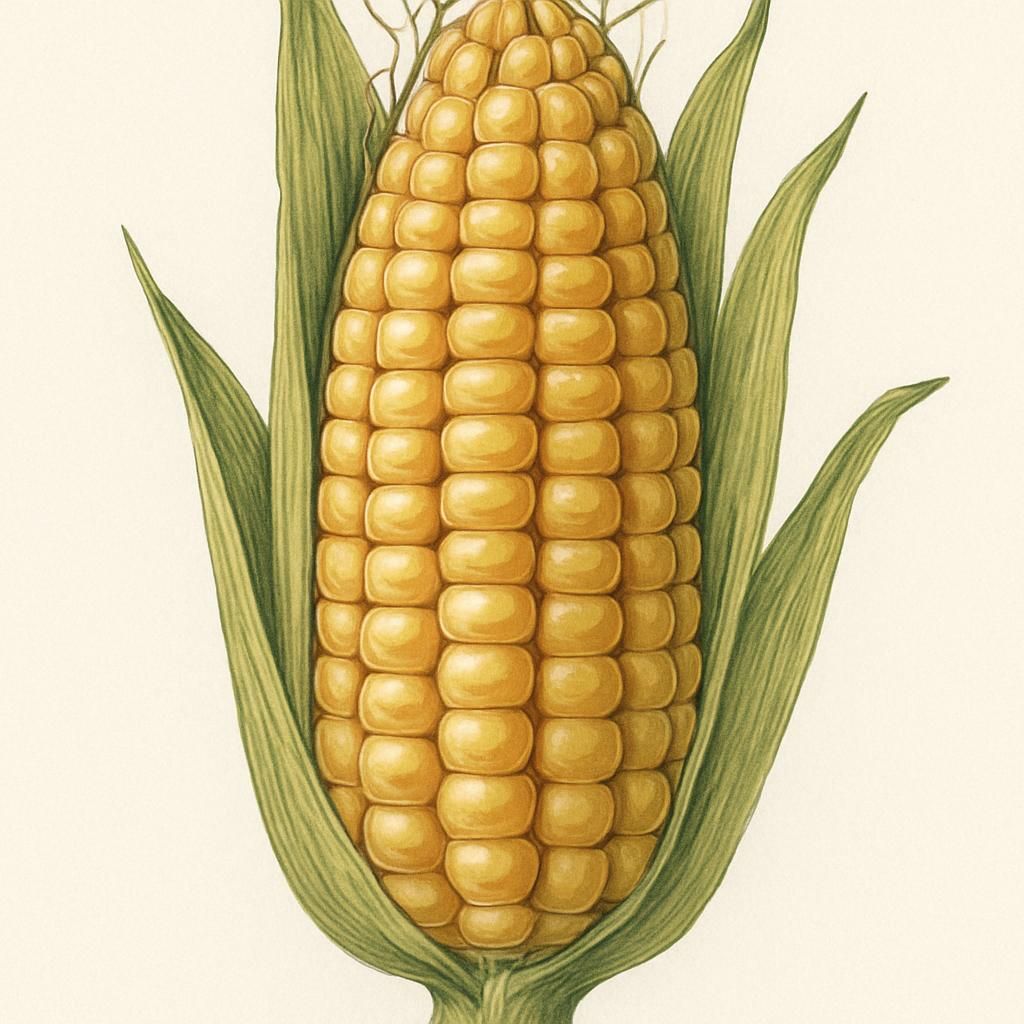
Introduction to Maize (Gourdseed)
Maize, often referred to as corn, is one of the most widely grown cereal grains in the world. Gourdseed maize, a unique variety, is renowned for its large, elongated kernels that resemble pumpkin seeds. Hailing from indigenous Mesoamerican cultures, gourdseed maize has a rich history as both a food and a ceremonial crop.
Botanical Profile of Maize (Gourdseed)
Botanically classified under the Poaceae family, Zea mays is an annual plant that reaches an average height of 2.5 meters. Its leaves, characterized by their long, blade-like structure, shelter the cob, which is the fruit-bearing core. The plant exhibits monoecious flowers, with both male and female organs present separately on the same plant, facilitating cross-pollination by wind.
Soil, pH, and Climate Requirements for Maize (Gourdseed)
Gourdseed maize thrives in well-drained, fertile soils. It is adaptable to a wide range of soil types but favors loamy textures for optimal growth.
| Factor | Ideal Conditions |
|---|---|
| Soil Type | Well-drained loam |
| Soil pH | 5.8 - 7.0 |
| Temperature | 18°C - 24°C |
| Rainfall | 500 - 800 mm |
Gourdseed maize thrives in warm climates but is susceptible to frost. Extended cold periods or excessive moisture can hinder its growth and development.
Step-by-Step Planting & Propagation
- Select the right site: Choose a sunny location with fertile, well-draining soil.
- Prepare the soil: Loosen the soil to about 8 inches deep and amend with compost or well-rotted manure.
- Sow seeds: Plant seeds 1 inch deep and 4 to 6 inches apart in rows that are 30 inches apart.
- Water thoroughly: After planting, water the area to ensure the soil remains consistently moist.
- Thin seedlings: Once seedlings reach 4 inches, thin them to 12 inches apart.
Gourdseed maize can also be propagated via transplanting, where seedlings are started indoors 3 weeks before the last frost date.
Care & Maintenance Regimes for Maize (Gourdseed)
Proper care ensures healthy growth and robust yields. This includes regular watering, fertilization, and pest management.
| Activity | Schedule/Frequency |
|---|---|
| Watering | 1-2 inches per week depending on rainfall |
| Fertilizing | Apply nitrogen-rich fertilizers at knee-high growth stages |
| Pruning | Remove lower leaves only if diseased or damaged |
Pests, Diseases & Organic Management
Gourdseed maize is susceptible to various pests and diseases, with Corn Earworm and Fall Armyworm being the most common pests. Diseases such as Smut and Northern Corn Leaf Blight can impact yield.
Organic Management:
- Employ crop rotation to disrupt pest lifecycles.
- Introduce beneficial insects like ladybugs to manage Spider Mites.
- Apply neem oil as a natural pesticide.
Harvesting, Curing & Optimal Storage
Harvest maize when kernels are plump and dented. Test by pressing a kernel; if a milky substance exudes, it's ready for harvest.
Curing:
- Dry harvested cobs in a warm, airy location to reduce moisture content.
Storage:
- Store in a cool, dry place, using airtight containers to prevent pest invasion.
Companion Planting for Maize (Gourdseed)
Utilize companion planting to enhance growth and deter pests.
For more strategies on boosting small farm resilience through companion planting, see Summer Companion Planting: 10 Organic Pairings to Boost Small Farm Resilience.
Explore strategic planting to maximize productivity and ensure ecological balance. The practice not only aids in pest management but also improves soil health, providing a symbiotic environment for the plants involved.