Introduction to Gochugaru Chili
Gochugaru Chili (Capsicum annuum) is the backbone of Korean cuisine, providing the signature red color, gentle heat, and sweet aroma found in kimchi, gochujang, and countless other dishes. Unlike generic chili flakes, authentic gochugaru is made from sun-dried Korean peppers with thin skins and low seed content, resulting in a coarse powder that releases flavor gradually. Home gardeners and small-scale farmers can successfully grow these peppers by following precise agronomic practices that emphasize sunlight, consistent moisture, and proper post-harvest drying.
Commercial demand for premium gochugaru continues to rise globally as Korean food popularity expands, making this crop an excellent choice for market gardeners seeking a high-value specialty pepper. Successful production requires attention to variety selection, soil fertility, and timely harvest to achieve the bright color and balanced flavor profile that distinguishes authentic Korean chili flakes.
Botanical Profile of Gochugaru Chili
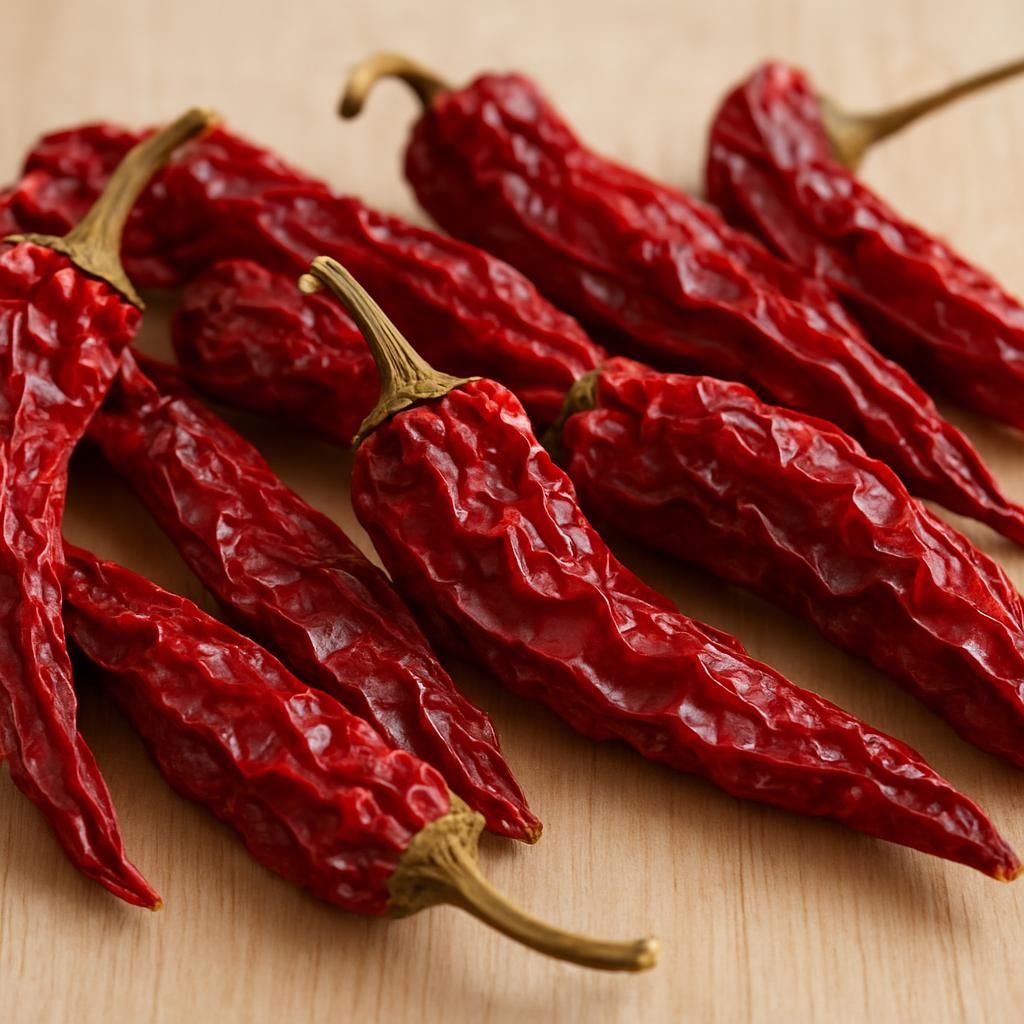
Gochugaru Chili belongs to the species Capsicum annuum, the same species that includes Bell Pepper and Jalapeño Pepper. Plants grow 60–90 cm tall with a bushy, indeterminate habit and produce elongated, tapered pods measuring 7–12 cm in length. The fruit transitions from green to deep scarlet at maturity, with thin, glossy skin and relatively few seeds—traits that make the dried pods ideal for grinding into coarse flakes.
Flowers are small, white, and self-pollinating, although bees improve fruit set. The plant’s root system is fibrous and relatively shallow, making it sensitive to both drought and waterlogging. Varieties traditionally used for gochugaru have been selected over generations for high capsanthin content (responsible for the vivid red color) and moderate Scoville heat levels between 4,000–8,000 SHU.
Soil, pH, and Climate Requirements for Gochugaru Chili (MUST INCLUDE A MARKDOWN TABLE OF IDEAL CONDITIONS)
Gochugaru Chili thrives in well-drained, fertile loam soils with high organic matter. Heavy clay soils should be amended with compost or raised beds to prevent root rot. The crop performs best in full sun with at least 8 hours of direct light daily and requires a long, warm growing season.
| Parameter | Ideal Range | Notes |
|---|---|---|
| Soil Type | Sandy loam to loam | Well-drained; avoid compacted or waterlogged soils |
| Soil pH | 6.0–7.0 | Slightly acidic to neutral; test and adjust with lime if below 5.8 |
| Temperature (Day) | 24–30 °C | Optimal fruit set and color development |
| Temperature (Night) | 18–22 °C | Below 15 °C slows growth and may cause blossom drop |
| Growing Season Length | 100–130 frost-free days | Start seeds indoors 8–10 weeks before last frost |
| Sunlight | Full sun (8+ hours) | Essential for capsaicin and color development |
| Soil Organic Matter | 3–5 % | Improves water retention and nutrient availability |
Step-by-Step Planting & Propagation
- Start seeds indoors 8–10 weeks before the last expected frost. Use a sterile seed-starting mix and maintain soil temperature at 24–28 °C for rapid germination (7–10 days).
- Transplant seedlings outdoors when soil temperature reaches at least 18 °C and all danger of frost has passed. Harden off plants for 7–10 days prior to transplanting.
- Space plants 45–60 cm apart in rows 75–90 cm wide to allow airflow and ease of harvest. Raised beds or black plastic mulch help warm soil and suppress weeds.
- Water thoroughly after transplanting and apply a balanced starter fertilizer (e.g., 10-10-10) at half the recommended rate to reduce transplant shock.
- Install drip irrigation or soaker hoses at planting to maintain consistent moisture without wetting foliage.
Care & Maintenance regimes for Gochugaru Chili (MUST INCLUDE A MARKDOWN TABLE OF WATER, FERTILIZER, AND PRUNING SCHEDULES)
Consistent care throughout the season maximizes pod quality and yield. Mulch with organic material to conserve moisture and moderate soil temperature. Monitor plants weekly for nutrient deficiencies, especially nitrogen and potassium, which influence fruit size and color.
| Growth Stage | Watering Schedule | Fertilizer Application | Pruning & Training |
|---|---|---|---|
| Transplant to Flowering | 2–3 cm per week; keep soil evenly moist | Side-dress with 5-10-10 at 3 weeks post-transplant | Remove lower leaves touching soil; stake if needed |
| Flowering to Fruit Set | Increase to 3–4 cm per week; avoid water stress | Apply calcium nitrate foliar spray weekly during fruit set | Pinch first flowers to encourage vegetative growth |
| Fruit Development & Ripening | Maintain 3 cm per week; reduce slightly 2 weeks before harvest | Side-dress with potassium sulfate at first fruit color change | Remove suckers below first fruit cluster; prune for airflow |
| Post-Harvest Regrowth | Reduce to 2 cm per week if overwintering | Light compost tea application every 3 weeks | Cut back to 30 cm and protect from frost |
Pests, Diseases & Organic Management
Common insect pests include Aphids, Thrips, and Spider Mites. Monitor weekly with yellow sticky traps and release beneficial insects such as lady beetles and predatory mites. Organic controls include neem oil, insecticidal soaps, and kaolin clay sprays.
Diseases such as Phytophthora, Fusarium wilt, and Bacterial spot can devastate crops in poorly drained soils or during humid weather. Practice crop rotation with non-solanaceous crops, use disease-resistant varieties when available, and apply copper-based fungicides or beneficial microbes preventatively. Remove and destroy infected plant material at season’s end.
Harvesting, Curing & Optimal Storage
Harvest pods when they reach full red color and begin to soften slightly. Pick in the morning after dew has dried to minimize moisture-related spoilage. For traditional gochugaru, spread pods in a single layer on clean mats and sun-dry for 3–5 days, turning daily, until moisture content reaches 10–12 %. Alternatively, use a dehydrator at 35–40 °C for 12–24 hours.
Once fully dry, destem and remove seeds if a milder product is desired. Store whole dried pods or coarsely ground flakes in airtight glass jars away from light and heat. Properly dried and stored gochugaru retains vibrant color and flavor for up to 12 months.
Companion Planting for Gochugaru Chili
Pair Gochugaru Chili with aromatic herbs such as Thai Basil and Garlic to deter aphids and thrips. Marigolds planted at bed edges repel nematodes and attract beneficial insects. Avoid planting near Fennel or other umbellifers that may inhibit pepper growth. Interplanting with Tomato can improve space efficiency but requires careful monitoring for shared pests such as Hornworms.