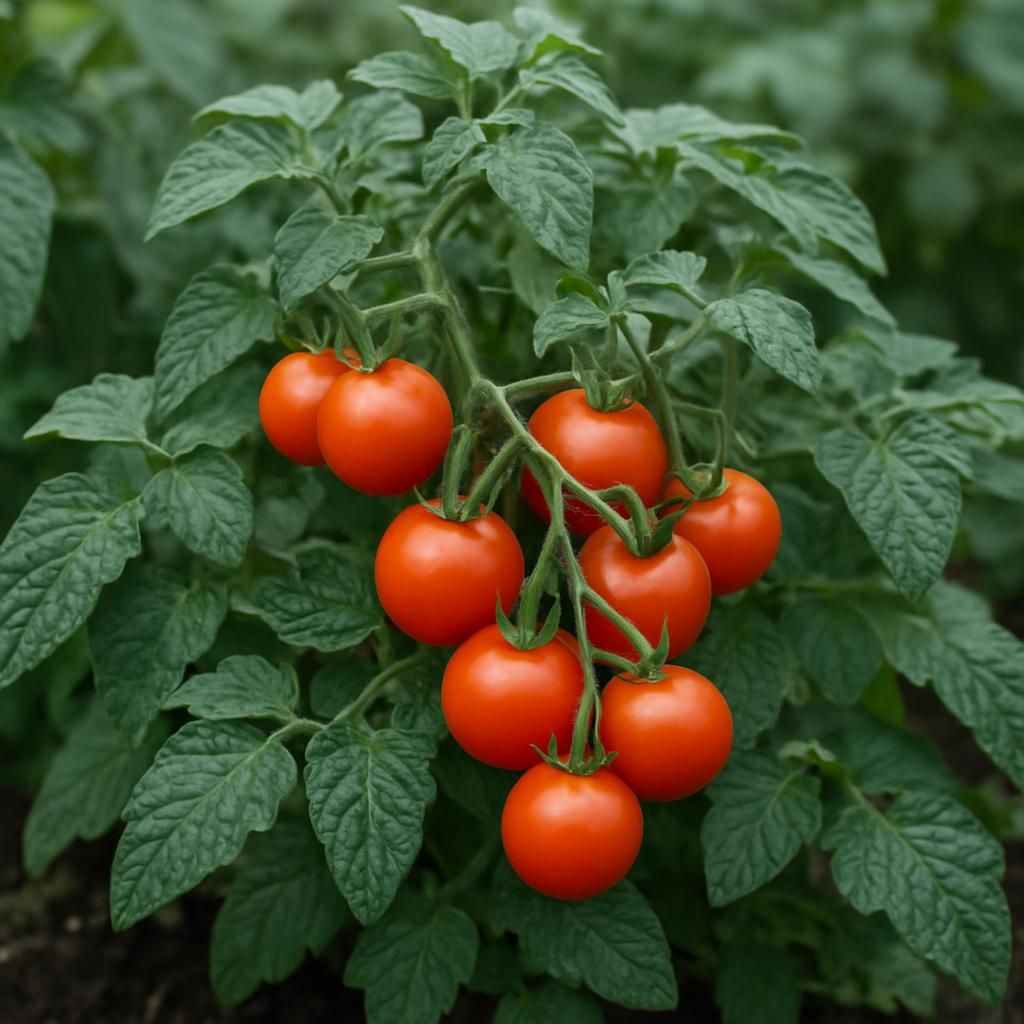
Introduction to Glacier Tomato
Glacier Tomato is an exceptionally hardy, early-maturing heirloom variety developed specifically for short-season and cool-climate growing. Originating from the northern latitudes, this determinate cultivar consistently sets fruit even when nighttime temperatures drop below 50°F (10°C), making it one of the most reliable options for gardeners in USDA zones 3–7. The plants reach a manageable 24–36 inches in height, produce heavy clusters of 1–2 ounce fruits, and deliver sweet-tart flavor with good crack resistance.
Because Glacier Tomato ripens in just 58–65 days from transplant, it is frequently chosen by small-scale growers seeking early market tomatoes before main-season varieties like Beefsteak Tomato or Roma Tomato are ready. Its compact habit also suits container culture and high-density field planting.
Botanical Profile of Glacier Tomato
Glacier Tomato belongs to the nightshade family (Solanaceae) and shares the same species as all cultivated tomatoes. The variety exhibits classic determinate growth: a bushy habit with a defined terminal inflorescence that stops vegetative growth once fruit set begins. Leaves are dark green, slightly rugose, and moderately dissected. Flowers are typical yellow tomato blooms that self-pollinate but benefit from gentle shaking or pollinator activity.
Fruits are round to slightly oblate, 1.5–2 inches in diameter, and ripen to a uniform red. The skin is thin yet resilient, and the flesh is juicy with a balanced sugar-acid ratio. Because the variety sets fruit under cool conditions, blossom drop is rare compared with heat-sensitive types.
Soil, pH, and Climate Requirements for Glacier Tomato
Glacier Tomato performs best in fertile, well-drained loam with high organic matter. Avoid heavy clay soils unless heavily amended. Raised beds or 12-inch deep containers provide excellent drainage and soil warming in cool springs.
Ideal Growing Conditions
| Parameter | Ideal Range | Notes |
|---|---|---|
| Soil Type | Sandy loam to loam | High organic matter improves moisture retention |
| Soil pH | 6.2 – 6.8 | Slightly acidic; test and amend annually |
| Daytime Temperature | 65–75°F (18–24°C) | Tolerates brief dips to 50°F |
| Nighttime Temperature | 50–60°F (10–15°C) | Sets fruit reliably below 55°F |
| Spacing | 18–24 inches between plants | Rows 30–36 inches apart |
| Full Sun | Minimum 6–8 hours | Morning sun preferred in cool climates |
Step-by-Step Planting & Propagation
- Start seeds indoors 6–8 weeks before the last expected frost. Use a sterile seed-starting mix and maintain 70–75°F soil temperature.
- Harden off seedlings for 7–10 days once they develop two sets of true leaves.
- Transplant outdoors when soil reaches 60°F and nighttime air temperatures stay above 50°F. Plant deeply, burying the stem up to the first true leaves to encourage adventitious roots.
- Space plants 18–24 inches apart in rows 30–36 inches wide. Install stakes or small cages at planting to support heavy fruit clusters.
- Water thoroughly after transplanting and apply a 2–3 inch layer of organic mulch to conserve moisture and suppress weeds.
Care & Maintenance regimes for Glacier Tomato
Consistent moisture and balanced nutrition are essential for Glacier Tomato. Over-fertilization with nitrogen encourages foliage at the expense of fruit. Prune only lower suckers to improve airflow; avoid heavy pruning that can reduce yield on this compact variety.
Water, Fertilizer, and Pruning Schedule
| Growth Stage | Water Frequency | Fertilizer | Pruning Actions |
|---|---|---|---|
| Transplant to 4 weeks | 1–1.5 inches per week; keep soil evenly moist | Side-dress with ½ cup balanced organic fertilizer (5-5-5) per plant | Remove lowest 2–3 leaves touching soil |
| Flowering to Fruit Set | Maintain even moisture; avoid fluctuations | Apply fish emulsion or seaweed tea every 3 weeks | Pinch suckers below first flower cluster only |
| Fruit Ripening | Reduce slightly to concentrate sugars | No additional nitrogen; potassium-rich foliar spray optional | Remove diseased leaves; minimal further pruning |
Pests, Diseases & Organic Management
Glacier Tomato is relatively resistant to many cool-weather disorders but remains susceptible to common tomato pests and diseases. Monitor regularly for Aphids, Spider Mites, and flea beetles. Use floating row covers early in the season and release beneficial insects such as lady beetles and lacewings.
Diseases of concern include Early Blight, Septoria Leaf Spot, and Tomato Spotted Wilt Virus. Practice crop rotation, remove crop debris at season end, and apply copper-based fungicides or Bacillus subtilis products preventively during prolonged cool, wet periods.
Harvesting, Curing & Optimal Storage
Harvest fruits when they reach full color and yield slightly to gentle pressure. For peak flavor, allow fruits to ripen on the vine when weather permits. In short seasons, pick mature-green fruits and ripen indoors at 65–70°F.
Store ripe tomatoes at room temperature away from direct sun for up to one week. For longer storage, process into sauce or freeze whole after blanching. Avoid refrigeration below 55°F, which causes flavor loss and mealy texture.
Companion Planting for Glacier Tomato
Pair Glacier Tomato with aromatic herbs and flowers that deter pests and attract beneficial insects. Thai Basil, marigolds, and nasturtiums planted nearby reduce Aphids and Whiteflies. Avoid planting near Potato or Corn to minimize shared disease pressure.
The Hidden Power of Mulching: 8 Organic Strategies to Transform Small Farm Soil