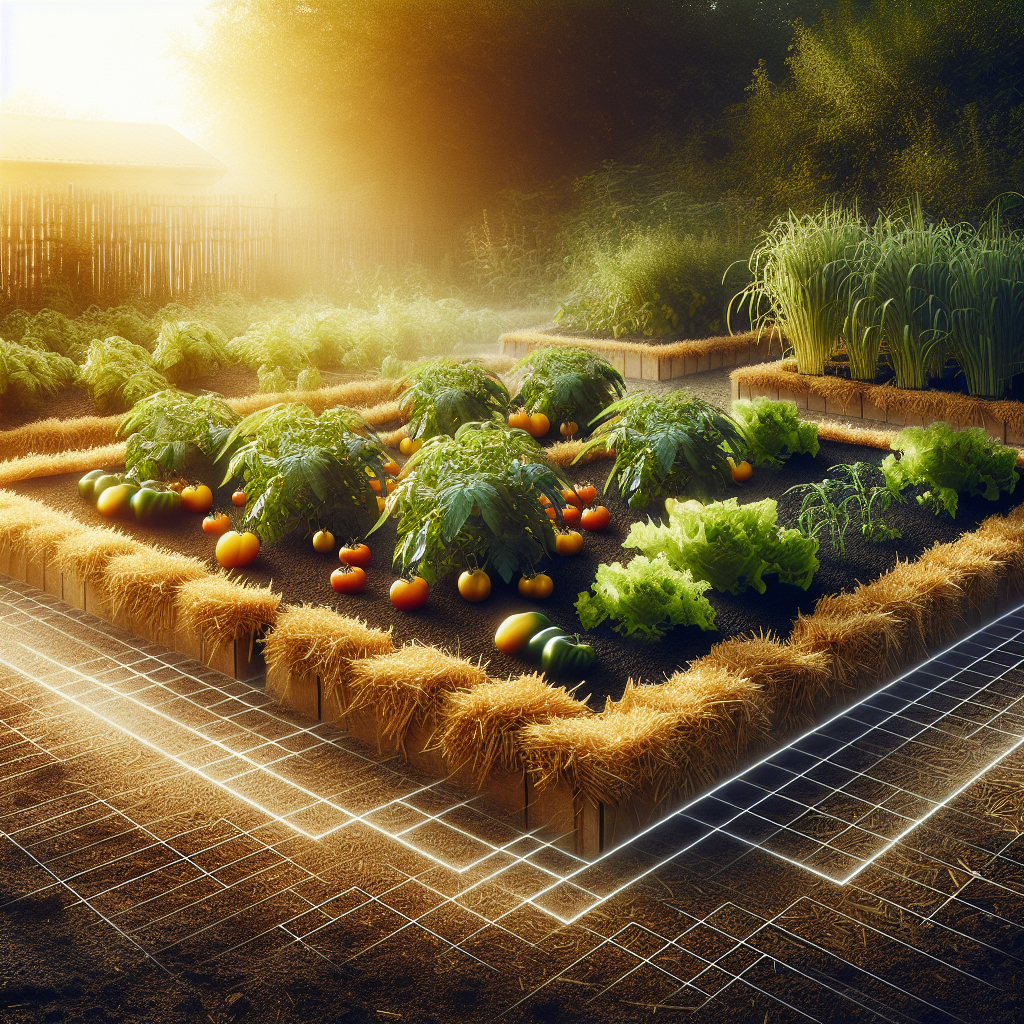
The Silent Soil Revolution Beneath Your Feet
Every year, small farmers lose up to 70% of soil moisture to evaporation in the first few weeks after planting, turning fertile ground into dusty patches that starve crops of life. This invisible drain doesn't just parch plants; it unleashes weeds, compacts soil, and invites erosion that strips away the top layer where microbes thrive. But there's a straightforward, organic fix that's been overlooked: mulching. Layering organic materials over soil mimics nature's forest floor, locking in moisture, feeding soil life, and suppressing rivals without chemicals. For small-scale operations, where every square foot counts, mastering mulch means healthier crops, less labor, and resilient yields through seasons of drought or deluge.
Why Mulch Matters More Than You Think
Mulch acts as a living barrier, moderating soil temperature swings that stress roots--extreme heat above 85°F or cold snaps below 50°F can halve root growth rates. It decomposes slowly, releasing nutrients like nitrogen and potassium as it breaks down, while earthworms and fungi multiply under its protection. Studies from agricultural extensions confirm that consistent mulching increases organic matter by 1-2% annually, improving water infiltration by 20-50% compared to bare soil. For homesteaders juggling day jobs, this translates to fewer watering trips and weeding sessions, freeing time for harvesting or planning.
Organic mulches excel because they align with natural cycles. Unlike plastic sheeting, which suffocates soil biology, materials like straw or leaves foster a bustling ecosystem. Small farms benefit most: a backyard plot mulched with grass clippings can retain moisture equivalent to an extra inch of rain per week, critical in variable climates.
8 Organic Mulching Strategies for Small Farms
Here's a structured breakdown of eight field-tested methods, each suited to different crops, spaces, and resources. Use this table to match strategies to your setup:
| Strategy | Best For | Materials Needed | Application Thickness | Key Benefits |
|---|---|---|---|---|
| Straw Mulch | Tomatoes, peppers, strawberries | Wheat or rice straw (avoid hay with seeds) | 4-6 inches | Excellent weed suppression, moderate decomposition for steady nutrients; insulates roots from heat. |
| Wood Chips | Trees, berries, perennials | Chipped branches from prunings | 3-4 inches (keep off stems) | Long-lasting (2+ years), boosts fungal activity for disease resistance; free from local arborists. |
| Grass Clippings | Leafy greens, brassicas | Fresh or dried lawn clippings (untreated) | 2-3 inches (dry layers to avoid matting) | Nitrogen-rich, quick breakdown feeds soil; recycles yard waste. |
| Leaf Mulch | All crops, especially in fall | Fallen deciduous leaves | 4-8 inches (shredded) | Builds humus, free and abundant; enhances microbial diversity. |
| Compost Layer | Seedlings, young plants | Homemade or purchased compost | 1-2 inches | Nutrient-dense starter, disease-suppressive; ideal for nutrient-poor starts. |
| Pine Needles | Acid-lovers like blueberries, potatoes | Collected pine needles | 3-5 inches | Acidifies soil naturally (pH 4.5-5.5), repels slugs; evergreen availability. |
| Cardboard Base | New beds, heavy weeds | Recycled boxes, topped with organic mulch | 1-2 layers, then 4 inches organic | Smothers persistent weeds, decomposes into soil; urban homesteader favorite. |
| Living Mulch | Intercrops, cover crops | Clover, vetch, or low-growing herbs | Seeded directly | Suppresses weeds while fixing nitrogen; mow to maintain. |
Start with what's abundant on your homestead--leaves in autumn or clippings in summer--to keep costs near zero.
Timing Your Mulch Applications Right
Apply mulch after soil warms to 60°F in spring, post-planting, to avoid slowing germination. In established beds, refresh layers every 4-6 weeks as decomposition occurs. For winter protection, pile 6-8 inches around perennials by late fall to shield roots from freezes.
Consider your companion planting layout: mulch around tall plants like corn to conserve moisture for understory companions like beans. In rainy zones, opt for coarser materials to prevent rot; arid areas call for thicker, moisture-trapping layers.
Common Mulching Pitfalls and Fixes
Too much mulch near stems invites rot--maintain a 2-inch "mulch-free" zone around bases. Wet clippings mat and stink; dry them first or mix with leaves. Fresh wood chips tie up nitrogen temporarily; age them six months or top with compost. Over-mulching (over 8 inches) blocks air, starving roots--stick to recommended depths.
For pest-prone areas, combine with organic vigilance. Crop diseases often hide under poor mulch; healthy layers reduce fungal spores by keeping soil covered and cool.
Mulch and Soil Biology: The Underground Alliance
Healthy soil teems with billions of microbes per teaspoon, and mulch is their buffet. It provides carbon for bacteria and fungi, which in turn solubilize phosphorus and fix nitrogen. Earthworms aerate as they feed, creating channels for water and roots. Over time, this builds crumbly structure that resists compaction from foot traffic or tilling--vital for small plots with limited machinery.
Test your progress: dig a mulch-covered bed after six months; you'll see richer, darker soil alive with activity versus bare, compacted earth. Pair with cover cropping for exponential gains, as in fall soil revival techniques.
Mulch for Specific Small Farm Scenarios
Homestead Veggie Patch (1/4 Acre): Layer cardboard under straw for instant weed-free beds. Rotate with grass clippings for nitrogen boosts on heavy feeders like cabbage.
Backyard Orchard: Wood chips around trees suppress grass competition, mimicking forest duff for better fruit set.
Raised Beds: Shredded leaves conserve limited soil volume, reducing refill needs.
Sloped Ground: Thick straw prevents erosion, channeling water to plants.
Dry climates: Double-layer with living mulch like nasturtium for self-sustaining cover. For detailed science, see USDA mulching guide.
Measuring Mulch Success Without Fancy Tools
Track visually: greener leaves, fewer weeds, earthworm castings. Weigh harvests from mulched vs. unmulched rows for motivation. Soil stays cooler (5-10°F difference) and moister--probe with a finger or trowel. Annual organic matter tests from local extensions confirm buildup.
Scaling Mulch for Profit
On small farms, mulch cuts labor 30-50% on weeding/watering, redirecting effort to value-adds like markets or preserves. Source free materials via community swaps or tree services. Invest time upfront; reap efficiency for years.
Year-Round Mulch Mastery
Spring: Light compost for warming. Summer: Heavy straw for drought. Fall: Leaves for insulation. Winter: Thick wood chips for protection. Cycle materials--last year's straw becomes compost.
Mulching transforms small farms from reactive to resilient. It's low-tech, organic, and profoundly effective. Start small: mulch one bed this week and watch soil come alive. Your crops, wallet, and back will thank you.