Introduction to Georgia Streak Tomato
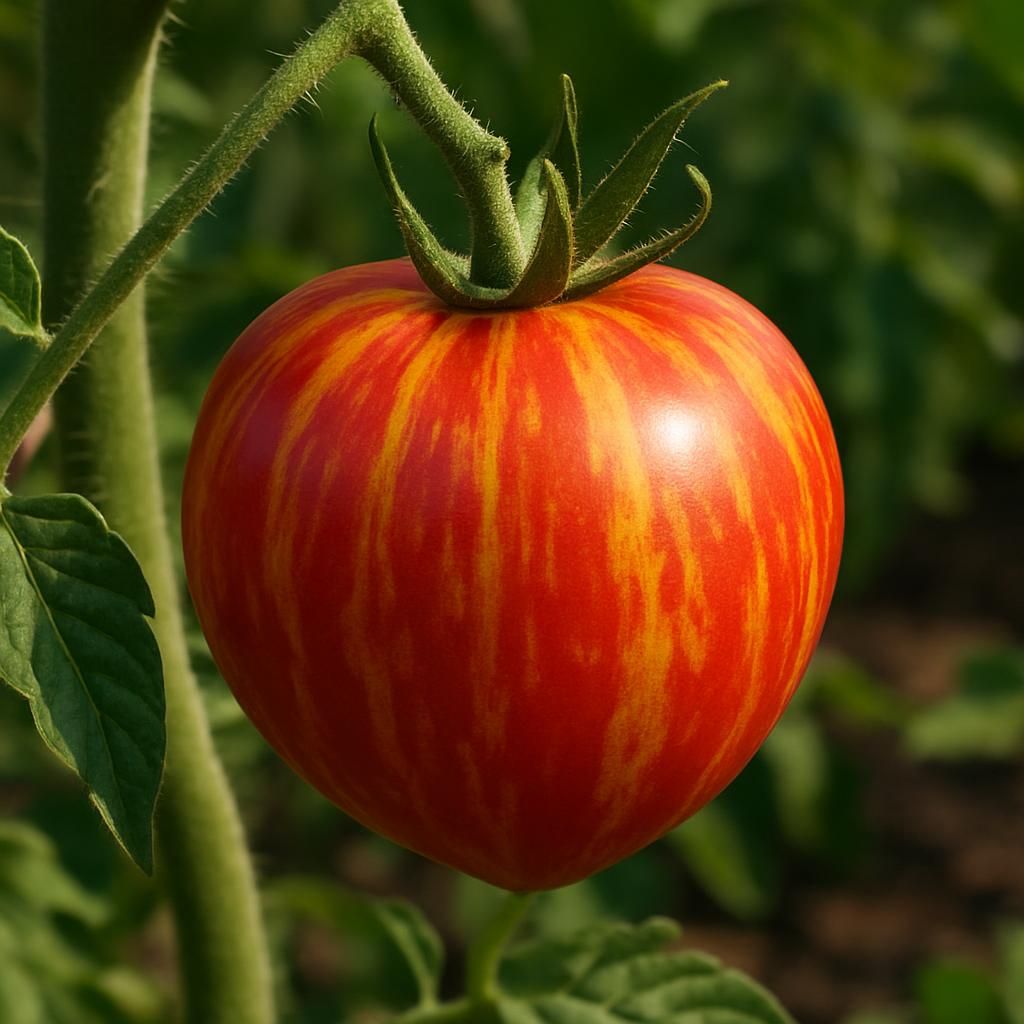
Georgia Streak Tomato is a rare, indeterminate heirloom variety originating from the southeastern United States. It produces large, oblate fruits weighing 12–20 ounces that feature a distinctive mottled pattern of deep red and bright yellow streaks. The flavor profile is rich, sweet, and low in acidity, making the fruit ideal for fresh eating, slicing, and gourmet sandwiches. Growers value this variety for both its visual appeal on market tables and its reliable production when given proper cultural attention.
Because Georgia Streak is an open-pollinated heirloom, seed can be saved each season, allowing gardeners to maintain genetic diversity and adapt the line to local conditions over time. The plants exhibit strong vegetative growth and require substantial support structures to accommodate their sprawling habit. With a typical maturity window of 80–90 days from transplant, this variety rewards patient growers with a prolonged harvest window that extends well into late summer.
Botanical Profile of Georgia Streak Tomato
Georgia Streak belongs to the Solanaceae family and shares the same botanical characteristics as other cultivated tomatoes. The plants are indeterminate, meaning they continue to produce new stems, leaves, and fruit clusters throughout the growing season until frost. Leaves are compound and slightly rugose, providing ample photosynthetic surface area while remaining susceptible to common foliar diseases.
Flowers are perfect and self-pollinating, typically appearing in clusters of 6–10 blossoms. Fruit set is optimized when daytime temperatures remain between 70–85 °F (21–29 °C) and nighttime temperatures do not drop below 55 °F (13 °C). The distinctive striped coloration develops as lycopene and carotene pigments accumulate unevenly within the fruit walls, creating the signature red-and-yellow marbling.
Soil, pH, and Climate Requirements for Georgia Streak Tomato
Successful cultivation begins with well-drained, fertile soil rich in organic matter. A slightly acidic to neutral pH range supports optimal nutrient uptake while minimizing the risk of calcium-related disorders such as blossom end rot.
| Parameter | Ideal Range | Notes |
|---|---|---|
| Soil Type | Loamy, well-drained | Incorporate 2–3 inches of compost annually |
| Soil pH | 6.2–6.8 | Test soil annually; adjust with lime if needed |
| Temperature (Day) | 70–85 °F (21–29 °C) | Protect from temperatures above 95 °F |
| Temperature (Night) | 55–70 °F (13–21 °C) | Use row covers if nights fall below 50 °F |
| Sunlight | Full sun, 8+ hours | Morning sun helps dry foliage quickly |
| Spacing | 24–36 inches between plants | Rows 4–5 feet apart for airflow |
| Frost Sensitivity | None below 32 °F | Transplant only after last spring frost |
Step-by-Step Planting & Propagation
Start seeds indoors 6–8 weeks before the expected last frost date. Sow seeds ¼ inch deep in sterile seed-starting mix and maintain soil temperature at 75–80 °F (24–27 °C) for rapid germination. Provide 14–16 hours of supplemental light daily to prevent leggy seedlings.
Harden off transplants for 7–10 days by gradually exposing them to outdoor conditions. Transplant into prepared beds only after soil has warmed to at least 60 °F (15.5 °C). Dig planting holes 12 inches deep and wide, mixing in a handful of balanced organic fertilizer and a calcium source such as crushed eggshell or gypsum. Set plants so the lowest leaves sit just above soil level to encourage strong root development.
Install sturdy cages or trellis systems at planting time. Space plants 24–36 inches apart within rows 4–5 feet wide. Water thoroughly immediately after transplanting and apply a 2–3 inch layer of organic mulch to conserve moisture and suppress weeds.
Care & Maintenance regimes for Georgia Streak Tomato
Consistent moisture, balanced nutrition, and timely pruning are essential for maximizing yield and fruit quality. Georgia Streak responds particularly well to deep, infrequent watering combined with targeted feeding at key growth stages.
| Growth Stage | Watering Schedule | Fertilizer Application | Pruning Action |
|---|---|---|---|
| Transplant to Flowering | 1–1.5 inches per week; keep soil evenly moist | Side-dress with ½ cup balanced organic fertilizer per plant at 3 weeks | Remove suckers below first flower cluster; stake or cage immediately |
| Flowering to Fruit Set | Maintain consistent moisture; avoid overhead watering | Apply calcium-rich foliar spray every 10–14 days during heat stress | Continue removing lower suckers; thin interior foliage for airflow |
| Fruit Ripening | Reduce slightly to concentrate sugars | Switch to low-nitrogen, high-potassium fertilizer | Stop pruning 4 weeks before first frost to protect remaining fruit |
Monitor leaf color weekly; pale foliage indicates nitrogen deficiency while purpling suggests phosphorus shortage. Adjust irrigation and fertility based on plant response rather than calendar schedules.
Pests, Diseases & Organic Management
Georgia Streak is susceptible to the same suite of tomato pests and diseases that affect other Tomato varieties. Early detection and integrated organic strategies prevent major losses.
Common insect pests include aphids, hornworms, flea beetles, and spider mites. Handpick hornworms and use floating row covers during early growth. Release beneficial insects such as lady beetles and lacewings for aphid control. Apply insecticidal soap or neem oil for spider mites when populations exceed five mites per leaflet.
Fungal diseases such as early blight, septoria leaf spot, and powdery mildew are managed through crop rotation, proper spacing, and preventive sprays of copper or Bacillus subtilis-based products. Remove and destroy infected leaves promptly. Avoid working with plants when foliage is wet to limit disease spread.
Harvesting, Curing & Optimal Storage
Harvest fruit when the shoulders show full color and the fruit yields slightly to gentle pressure. For peak flavor, allow tomatoes to ripen fully on the vine. Cut stems with pruning shears rather than pulling to avoid damaging the plant.
Store ripe fruit at room temperature away from direct sunlight for up to one week. For longer storage, harvest mature-green fruit and ripen in a single layer at 65–70 °F (18–21 °C). Never refrigerate tomatoes, as temperatures below 50 °F (10 °C) cause flavor loss and mealy texture.
Companion Planting for Georgia Streak Tomato
Strategic companions improve pollination, deter pests, and enhance soil health. Basil planted adjacent to Georgia Streak repels aphids and improves fruit flavor. Marigolds and nasturtium provide nectar for beneficial insects while masking tomato scent from pests.
Avoid planting near fennel or walnuts, which release allelopathic compounds. Rotate tomatoes with legumes such as peas or beans in subsequent seasons to replenish soil nitrogen and break disease cycles. Interplant with carrots or radishes to maximize bed space without competition.
For deeper insight into timing your harvest for maximum market value, consult The Overlooked Art of Seasonal Harvest Timing for Small Farm Profit.