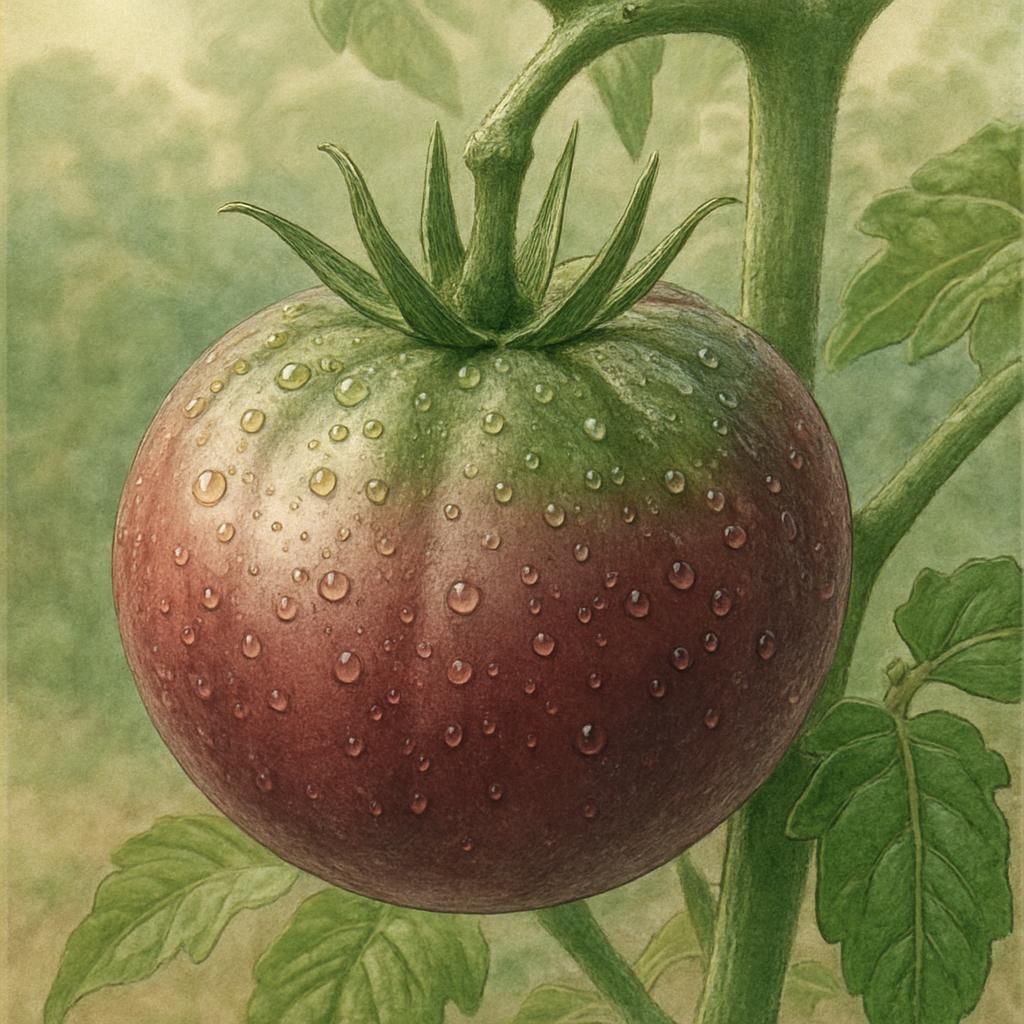
Introduction to Cherokee Purple Tomato
Cherokee Purple Tomato is an open-pollinated heirloom variety that originated in Tennessee and gained widespread popularity for its complex flavor and striking appearance. The fruits typically weigh 8–16 ounces, feature a dusky purple-red skin with green shoulders, and display a deep crimson interior with few seeds. Gardeners value this cultivar for its tolerance to heat and its ability to produce through mid-summer conditions when other varieties may slow.
The variety offers a balanced sweet-acidic profile with earthy undertones, making it ideal for fresh eating, sandwiches, and sauces. Because it is indeterminate, plants continue to set fruit until frost, providing an extended harvest window. Its thin skin requires careful handling but rewards growers with exceptional taste that often outperforms modern hybrids.
Botanical Profile of Cherokee Purple Tomato
Cherokee Purple belongs to the nightshade family, Solanaceae, and exhibits classic indeterminate growth reaching 5–7 feet in height. The plants produce regular leaf foliage that is slightly crinkled and dark green. Flowers are yellow and self-pollinating, though insect activity improves fruit set. Fruits develop a distinctive shoulder color that remains green even when ripe, signaling full flavor development.
Compared to standard red Tomato varieties, Cherokee Purple shows greater tolerance to cracking and maintains better texture after picking. The cultivar is open-pollinated, allowing growers to save seeds that will produce true-to-type plants in subsequent seasons. Its robust root system benefits from deep soil preparation and consistent organic matter amendments.
Soil, pH, and Climate Requirements for Cherokee Purple Tomato
Cherokee Purple thrives in well-drained, fertile loam enriched with compost. The following table outlines optimal growing conditions:
| Parameter | Ideal Range | Notes |
|---|---|---|
| Soil Type | Loamy, well-drained | Avoid heavy clay without amendment |
| Soil pH | 6.2–6.8 | Test annually; adjust with lime or sulfur |
| Temperature (Day) | 70–85 °F (21–29 °C) | Optimal fruit set occurs in this range |
| Temperature (Night) | 60–70 °F (15–21 °C) | Below 55 °F slows growth |
| Sunlight | Full sun, 8+ hours | Morning sun reduces foliar disease risk |
| Spacing | 24–36 in between plants | 48–60 in between rows for airflow |
| Frost Tolerance | None | Transplant after last spring frost |
Site selection should prioritize areas with good air circulation to minimize humidity-related diseases. Raised beds improve drainage in regions with heavy rainfall.
Step-by-Step Planting & Propagation
Start seeds indoors 6–8 weeks before the last expected frost. Sow seeds ¼ inch deep in sterile seed-starting mix and maintain soil temperature at 75–80 °F. Germination typically occurs in 7–10 days. Once seedlings develop two true leaves, transplant into 4-inch pots and provide 14–16 hours of light daily.
Harden off plants for 7–10 days before transplanting outdoors. Dig holes 2 inches deeper than the root ball and bury stems up to the first set of leaves to encourage adventitious roots. Install sturdy cages or trellises at planting time to support the vigorous vines. Water thoroughly after transplanting and apply a 2-inch layer of organic mulch to conserve moisture and suppress weeds.
Care & Maintenance regimes for Cherokee Purple Tomato
Consistent care ensures maximum yield and fruit quality. The table below summarizes key maintenance schedules:
| Task | Frequency | Details |
|---|---|---|
| Watering | 1–2 inches per week | Deep, infrequent watering; increase during heat waves |
| Fertilizer | Every 3–4 weeks | Side-dress with balanced organic fertilizer (5-5-5) or compost tea |
| Pruning | Weekly | Remove suckers below first flower cluster; prune lower leaves for airflow |
| Mulching | At planting + mid-season | Maintain 2–3 inches of straw or shredded leaves |
| Support | At planting | Use 5–6 ft cages or Florida weave system |
| Monitoring | Daily | Check for pests, wilting, or nutrient deficiencies |
Avoid over-fertilizing with nitrogen, which promotes foliage at the expense of fruit. Consistent pruning improves light penetration and reduces disease pressure.
Pests, Diseases & Organic Management
Common pests include Aphids, Hornworms, and Spider Mites. Monitor undersides of leaves weekly. Introduce beneficial insects such as ladybugs and lacewings, or apply insecticidal soap and neem oil as needed. Tomato Spotted Wilt Virus and Early Blight are frequent disease concerns. Rotate crops every 3–4 years, remove infected debris, and maintain proper spacing to reduce incidence.
Preventive copper or Bacillus subtilis sprays can manage bacterial issues. Drip irrigation rather than overhead watering minimizes leaf wetness and disease spread. Handpick hornworms and destroy egg masses promptly.
Harvesting, Curing & Optimal Storage
Harvest when fruits reach full color and yield slightly to gentle pressure. Pick in the morning when temperatures are cooler to preserve quality. For slightly under-ripe fruits, place in a single layer at room temperature away from direct sun. Fully ripe Cherokee Purple tomatoes store best at 55–60 °F for up to one week. Avoid refrigeration, which diminishes flavor and causes mealy texture.
For extended storage, process into sauces or freeze whole fruits. Dehydrating slices creates flavorful additions for winter recipes. Always handle gently to prevent bruising of the thin skin.
Companion Planting for Cherokee Purple Tomato
Pair Cherokee Purple with Basil to repel pests and enhance flavor. Marigold and Nasturtium deter nematodes and aphids. Avoid planting near Fennel or walnuts, which can inhibit tomato growth. Interplant with Pepper or Eggplant for efficient space use and shared cultural requirements. Deep-rooted companions such as Carrot help break up soil while occupying different vertical space.