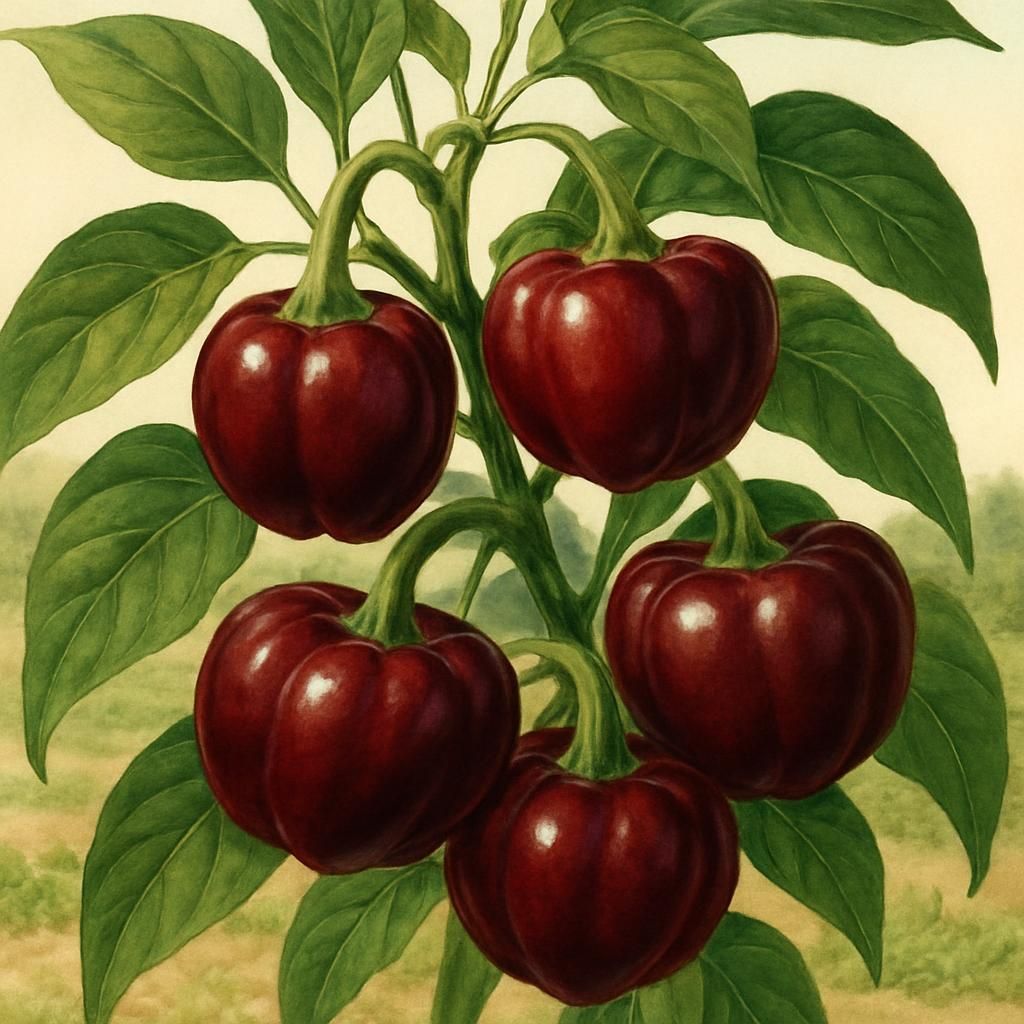
Introduction to Cascabel Pepper
The Cascabel Pepper, often called the "rattle chili," is a distinctive member of the Capsicum annuum species valued for its mild heat, complex flavor profile, and unique dried appearance. When fully mature and dried, the small, cherry-like pods produce a characteristic rattling sound caused by loose seeds inside the hollow fruit. This quality has earned it a special place in traditional Mexican cooking, where it is used to add subtle smokiness and moderate heat to moles, salsas, and stews.
Farmers and home gardeners appreciate Cascabel Pepper for its relatively compact plant size, reliable productivity, and adaptability to a range of growing conditions. Unlike hotter varieties such as Ghost Pepper or Habanero Pepper, Cascabel offers a gentle warmth (1,000–3,000 Scoville Heat Units) that makes it accessible for broader culinary applications. Its thick skin also allows the fruit to dry exceptionally well, preserving flavor for months when stored properly.
Botanical Profile of Cascabel Pepper
Cascabel Pepper plants are compact, bushy annuals that typically reach 18–24 inches in height with a similar spread. The stems are sturdy and green, supporting ovate to lanceolate leaves that are medium-green and slightly glossy. Small, white, star-shaped flowers appear in clusters at branch nodes, each producing a single fruit.
The fresh fruit is round to slightly flattened, measuring 1–1.5 inches in diameter with smooth, glossy skin that transitions from green to deep red or reddish-brown at maturity. Upon drying, the skin becomes translucent and leathery, and the loose seeds create the signature rattle. The plant is self-pollinating but benefits from insect pollinators for higher yields.
Soil, pH, and Climate Requirements for Cascabel Pepper
Cascabel Pepper thrives in well-drained, fertile soils rich in organic matter. It performs best in loamy or sandy loam textures that retain moisture without becoming waterlogged. Consistent soil temperature above 60°F (15.5°C) is essential for germination and early growth.
| Parameter | Ideal Range | Notes |
|---|---|---|
| Soil Type | Loamy or sandy loam | Excellent drainage prevents root rot |
| Soil pH | 6.0–7.0 | Slightly acidic to neutral; test annually |
| Temperature (Day) | 70–85°F (21–29°C) | Optimal for fruit set and development |
| Temperature (Night) | 55–65°F (13–18°C) | Avoid below 50°F to prevent blossom drop |
| Sunlight | Full sun (6–8+ hours) | Essential for high yields and flavor |
| Frost Sensitivity | None (tender annual) | Transplant only after last frost |
Step-by-Step Planting & Propagation
Start Cascabel Pepper seeds indoors 8–10 weeks before the last expected frost date. Use a sterile seed-starting mix and maintain soil temperature at 75–85°F (24–29°C) with a heating mat for best germination rates (7–14 days). Sow seeds ¼ inch deep and keep evenly moist.
Once seedlings develop two sets of true leaves, transplant into individual 3–4 inch pots. Harden off plants for 7–10 days before moving outdoors. Space transplants 18–24 inches apart in rows 24–30 inches apart to allow good air circulation.
Direct sowing is possible in warm climates once soil temperature consistently exceeds 65°F (18°C), though indoor starting generally yields earlier harvests.
Care & Maintenance regimes for Cascabel Pepper
Consistent care throughout the growing season ensures healthy plants and abundant fruit. Mulch with organic material to retain moisture and suppress weeds. Monitor for nutrient deficiencies, especially calcium and magnesium, which can cause blossom end rot.
| Task | Frequency | Details |
|---|---|---|
| Watering | 1–2 inches per week | Deep, infrequent watering; avoid overhead irrigation |
| Fertilizer | Every 3–4 weeks | Balanced NPK (10-10-10) early; switch to high-phosphorus (5-10-10) at flowering |
| Pruning | As needed | Remove lower leaves and suckers; pinch tips after 4–5 branches to encourage bushiness |
Pests, Diseases & Organic Management
Cascabel Pepper is susceptible to common pepper pests including Aphids, Thrips, and Spider Mites. Regular scouting and introduction of beneficial insects such as ladybugs and lacewings provide effective biological control. Neem oil and insecticidal soaps offer organic treatment options.
Diseases such as Bacterial spot, Phytophthora, and Powdery mildew can be mitigated through crop rotation, proper spacing, and resistant varieties. Avoid overhead watering and remove infected plant material promptly. Soil solarization before planting helps reduce soil-borne pathogens.
Harvesting, Curing & Optimal Storage
Harvest Cascabel Peppers when they reach full color (deep red) and the skin begins to feel slightly leathery. For fresh use, pick at any color stage after the fruit reaches mature size. To dry, leave fruits on the plant until fully red, then harvest and hang in a warm, dry, well-ventilated area or use a dehydrator at 125°F (52°C).
Properly dried Cascabel Peppers should rattle when shaken. Store in airtight containers away from light and moisture for up to one year. For long-term preservation, freeze whole dried pods or grind into powder.
Companion Planting for Cascabel Pepper
Cascabel Pepper benefits from strategic companion planting. Basil and Thai Basil deter pests and improve flavor, while marigolds repel nematodes. Avoid planting near fennel or members of the Brassica family. Tomato and Onion are excellent neighbors that share similar soil and water needs. Refer to Summer Companion Planting: 10 Organic Pairings to Boost Small Farm Resilience for detailed pairing strategies.