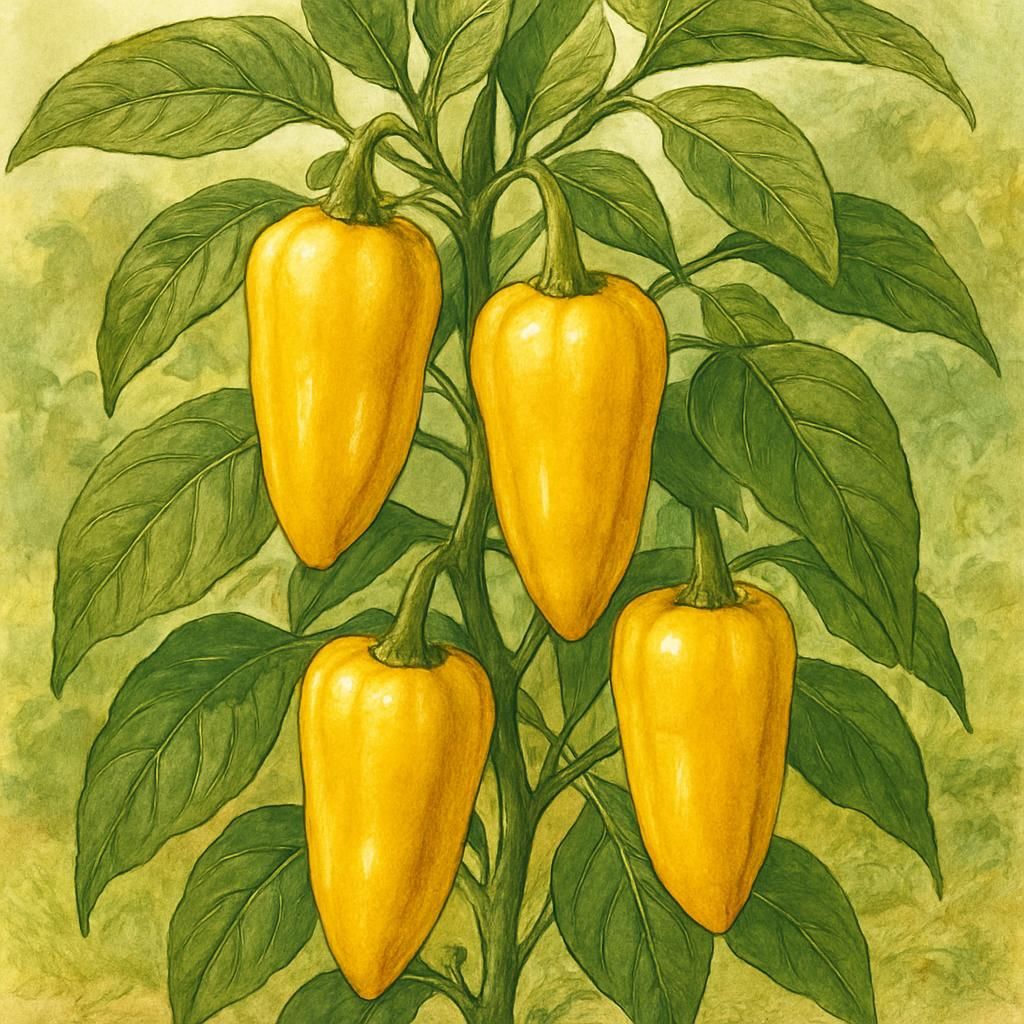
Introduction to Caloro Pepper
The Caloro Pepper is a vibrant yellow variety in the Capsicum annuum species, commonly grown for its aesthetic appeal and mild heat, similar to the Bell Pepper. Unlike the fiery Ghost Pepper, the Caloro Pepper provides a gentle heat, making it ideal for adding subtle spice and color to culinary creations.
Botanical Profile of Caloro Pepper
Caloro Peppers are small, bushy plants that produce bright yellow fruit. They mature within 60 to 75 days from planting, making them a relatively quick-growing option for gardeners and farmers alike. The plant's typical height reaches about 18 to 24 inches, with a spread of 12 to 18 inches, which is manageable in both field and container plantings.
Soil, pH, and Climate Requirements for Caloro Pepper
Caloro Peppers thrive in specific soil and climate conditions, which are crucial for optimal growth.
| Condition | Ideal Range |
|---|---|
| Soil Type | Well-drained loamy soil |
| Soil pH | 6.0 to 7.0 |
| Temperature | 70°F to 85°F (21°C to 29°C) |
| Sunlight | Full sun (6 to 8 hours daily) |
Relaxed in terms of soil fertility, these peppers can benefit immensely from organic matter, such as well-rotted compost or manure, enhancing their growth potential.
Step-by-Step Planting & Propagation
- Seed Selection: Choose certified Caloro Pepper seeds from a reputable supplier to ensure disease resistance and optimal yield.
- Seed Starting: Begin indoors 8 to 10 weeks before the last expected frost. Plant seeds in seed trays filled with a sterile seed-starting mix. Maintain a temperature of 75°F (24°C) for germination.
- Transplanting: Once seedlings have two sets of true leaves and the threat of frost has passed, transplant them outdoors. Ensure a planting distance of 18 to 24 inches apart to allow for air circulation and sunlight exposure.
- Mulching: Apply a 2 to 3-inch layer of mulch around plants to help retain moisture and control weeds.
Care & Maintenance Regimes for Caloro Pepper
Maintaining Caloro Peppers involves regular watering, fertilizing, and pruning.
| Task | Frequency |
|---|---|
| Watering | Twice per week |
| Fertilizing | Every 4 weeks |
| Pruning | As needed |
Ensure consistent moisture levels, as fluctuations can lead to issues like Blossom End Rot. Use organic fertilizers or well-balanced 10-10-10 NPK fertilizers to promote healthy growth.
Pests, Diseases & Organic Management
Caloro Peppers can face challenges from pests such as Aphids and Spider Mites, as well as diseases like Powdery mildew. Employ companion planting techniques, incorporating allies like Nasturtium and marigolds, which deter common pests naturally.
Ensure regular inspection and prompt removal of any diseased plant material to prevent fungal and bacterial spread. Organic neem oil or insecticidal soap can effectively manage most pest infestations.
Harvesting, Curing & Optimal Storage
Harvest Caloro Peppers once they have fully matured and showcase their signature bright yellow hue. Use a sharp knife or scissors to avoid damaging the plant. Post-harvest, store the peppers in a cool, dry place. For long-term storage, consider drying or freezing the peppers.
Companion Planting for Caloro Pepper
Successful companion plants for Caloro Pepper include Basil, which repels Thrips, and Tomato plants, which share similar soil and light needs. Integrating these into your garden plan can enhance growth and pest resistance across your crops. For more insights on maximizing yields through companion planting, read our Summer Companion Planting: 10 Organic Pairings to Boost Small Farm Resilience.