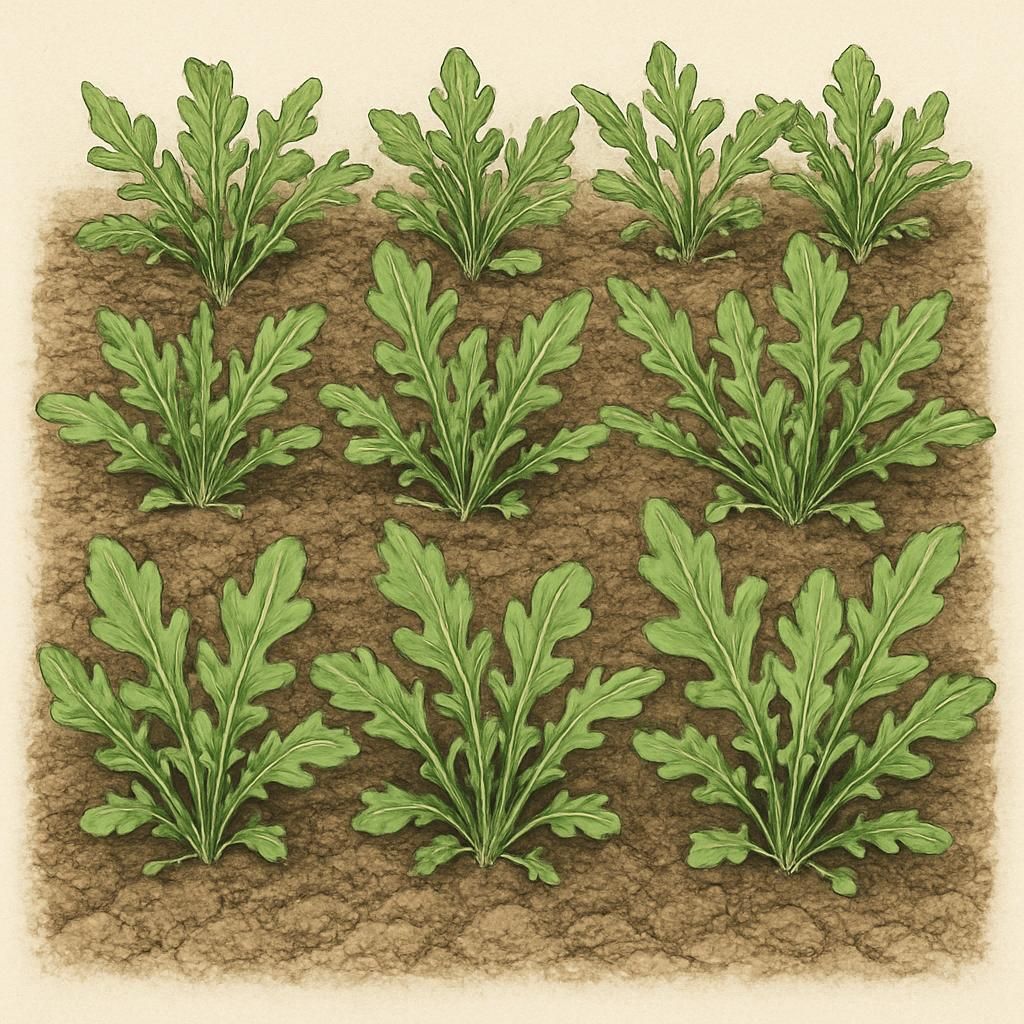
Introduction to Arugula (Apollo)
Arugula, scientifically known as Eruca vesicaria ssp. sativa, is a leafy vegetable renowned for its slightly spicy and tangy flavor. 'Apollo' is a popular cultivar known for its mild taste and robust growth habit. It is a fast-growing, cool-season crop ideal for growing in temperate climates and can be harvested as microgreens, baby leaves, or mature plants. The versatile nature of Arugula (Apollo) makes it a favorite among home gardeners and commercial growers alike.
Botanical Profile of Arugula (Apollo)
Arugula (Apollo) belongs to the Brassicaceae family and shares lineage with other cruciferous vegetables like broccoli and cabbage. This plant produces elongated, lobed leaves that can add a distinctive peppery taste to a variety of dishes. The plant is herbaceous, annual, and grows best in cool conditions, thriving during spring and fall seasons.
Soil, pH, and Climate Requirements for Arugula (Apollo)
To ensure optimal growth, Arugula (Apollo) requires specific soil and climatic conditions. Here is a quick reference table with ideal growing conditions:
| Condition | Ideal Value |
|---|---|
| Soil Type | Well-drained, loamy |
| Soil pH | 6.0 - 7.5 |
| Temperature Range | 45°F - 65°F (7°C - 18°C) |
| Sunlight | Full sun to part shade |
| Rainfall | 1 to 1.5 inches (2.5 to 3.8 cm) weekly |
Step-by-Step Planting & Propagation
- Select the Right Site: Choose a site with full sun to part shade. Ensure the soil is enriched with organic compost.
- Prepare the Soil: Till the soil to a fine texture, removing any stones or debris. Add well-rotted manure or compost to improve fertility.
- Sow the Seeds: Sow Arugula (Apollo) seeds directly in the garden bed or containers approximately 1/4 inch deep in soil lines.
- Spacing: Maintain a spacing of 6 inches apart to allow enough room for the plants to grow. Rows should be about 1 foot apart.
- Watering: Ensure consistent moisture; the soil should be kept consistently damp but not waterlogged. Use drip irrigation if possible to minimize leaf wetness.
- Thinning: Once seedlings reach 2 inches in height, thin them to 6 inches apart to ensure optimal growth.
Care & Maintenance Regimes for Arugula (Apollo)
To maximize yield and quality, Arugula (Apollo) requires regular care practices:
| Activity | Frequency | Notes |
|---|---|---|
| Watering | 2-3 times a week | Consistent moisture, avoid overwatering |
| Fertilizing | Bi-weekly | Use balanced NPK fertilizer |
| Pruning | As needed | Remove damaged leaves |
Pests, Diseases & Organic Management
Arugula (Apollo) is susceptible to several pests and diseases, which can be managed using organic methods:
- Pests: Aphids, flea beetles, and spider mites can affect growth. Introduce beneficial insects such as ladybugs or use neem oil sprays for management.
- Diseases: Powdery mildew and downy mildew can be problematic in wet conditions. Promote good air circulation and use biological fungicides if necessary.
- Preventative Practices: Rotate crops with non-cruciferous plants and practice good sanitation by removing plant debris.
Harvesting, Curing & Optimal Storage
Arugula (Apollo) can be harvested at different growth stages:
- Microgreens: Ready in about 7-14 days.
- Baby Leaves: Harvest when leaves are 2-3 inches long in about 20 days.
- Mature Leaves: Harvest when leaves are robust and about 3-6 inches long.
After harvesting, rinse leaves under cold water, dry them using a salad spinner, and store in a refrigerator wrapped in a damp paper towel inside a perforated plastic bag to maintain freshness for up to two weeks.
Companion Planting for Arugula (Apollo)
Arugula (Apollo) benefits from companion planting. Pair it with crops like lettuce, carrots, or radishes. These plants help deter pests, improve soil health, and optimize garden space. Avoid planting near other heavy nitrogen feeders to prevent nutrient competition.
For more details on effective companion planting strategies, you can refer to this article on Spring Companion Planting: 8 Organic Pairings to Maximize Small Farm Yields.
Learn about weather patterns and how they impact small farm resilience in our blog, The Truth About Weather Patterns and Small Farm Resilience.
Lychee is another crop that thrives under certain conditions, similar to Arugula (Apollo).
By carefully managing the growing environment and implementing these best practices, you can enjoy a bountiful harvest of high-quality Arugula (Apollo).