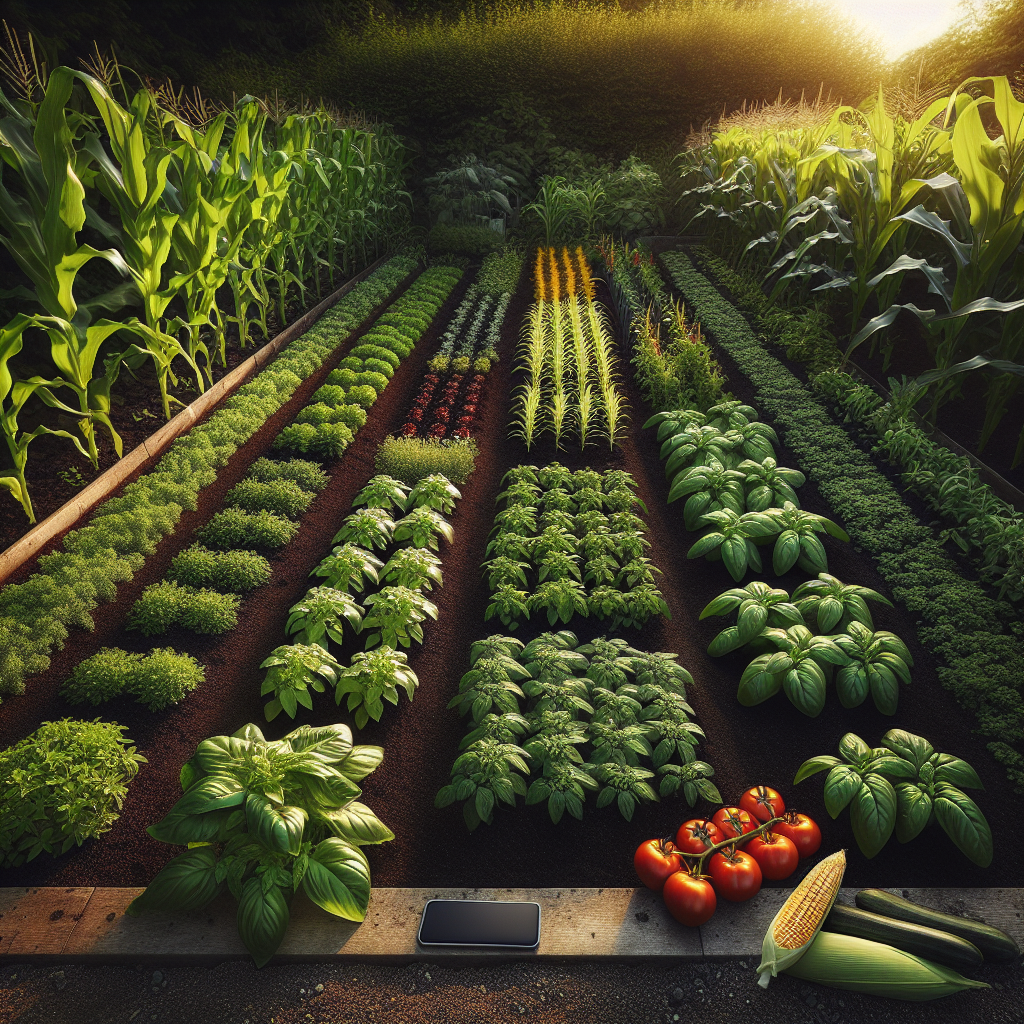
Spring Companion Planting: 8 Organic Pairings to Maximize Small Farm Yields
Every spring, small farmers watch as bare earth transforms into a patchwork of green, only to see yields falter from hidden pests or nutrient battles beneath the soil. Companion planting offers a time-tested organic solution, pairing crops strategically to create natural synergies that amplify productivity on limited space.
This practice, rooted in centuries of observation, leverages plant relationships to improve growth, repel insects, and enhance soil fertility. For small-scale operations, it's a cornerstone of efficiency--turning modest plots into high-output systems without synthetic inputs. Below, we explore eight powerhouse pairings perfect for spring planting, complete with implementation tips drawn from organic farming principles.
The Science Behind Plant Partnerships
Plants communicate chemically and physically in ways that benefit neighbors. Some release compounds that repel pests, like marigolds emitting alpha-terthienyl to ward off nematodes. Others fix nitrogen, such as legumes enriching soil for heavy feeders like corn.
According to agricultural research from USDA extension services, these interactions can lead to healthier ecosystems. On small farms, this means less labor chasing problems and more focus on harvest. Start by mapping your plot: group tall plants to shade sun-lovers, and intersperse pest repellents amid vulnerable crops.
Pairing 1: Tomatoes and Basil
Tomatoes thrive when basil grows nearby. The aromatic herb repels hornworms and aphids while improving tomato flavor through volatile oils. Basil also suppresses weeds, conserving moisture in spring's variable rains.
Planting Timeline
| Stage | Action | Timing |
|---|---|---|
| Prep | Amend soil with compost | 2 weeks before last frost |
| Sow | Basil seeds indoors | 6-8 weeks before transplant |
| Transplant | Tomatoes with basil at base | After frost danger |
| Maintain | Mulch to retain moisture | Ongoing |
Space tomatoes 24 inches apart, with basil 12 inches between. Harvest basil regularly to encourage bushiness, benefiting both.
Pairing 2: Corn, Beans, and Squash (The Three Sisters)
This Indigenous innovation stacks benefits: corn supports climbing beans, beans fix nitrogen for corn, and squash's broad leaves suppress weeds while retaining soil moisture. Ideal for spring's warming soils.
Prepare mounds 3 feet apart. Plant corn first, then beans two weeks later, followed by squash at the edges. This trio maximizes vertical space on small homesteads, yielding staples efficiently.
For deeper insights on avoiding companion pitfalls, review common errors like overcrowding, which stifles airflow.
Pairing 3: Carrots and Onions
Onions deter carrot flies with their pungent scent, while carrots loosen soil for onion roots. Both mature in tandem for spring-to-summer harvests.
Sow in rows: alternate onion sets every 4 inches with carrot seeds. Thin carrots to 3 inches. This duo deters multiple pests organically, reducing spring invasions.
Pairing 4: Lettuce and Radishes
Radishes act as living mulch for lettuce, breaking soil crust and marking rows for precise thinning. Quick-growing radishes mature first, making space as lettuce expands.
Broadcast radish seeds thickly beside lettuce transplants. Harvest radishes in 25 days, easing lettuce growth. Perfect for cool spring starts.
Pairing 5: Peas and Potatoes
Peas enrich soil with nitrogen ahead of potato planting. Their early harvest frees space, and roots improve soil structure for tubers.
Trellis peas along potato rows. Remove pea vines post-harvest to avoid shading. This sequence optimizes spring's short window before summer heat.
Pairing 6: Beets and Swiss Chard
Both beet family members share pest vulnerabilities, but interplanting confuses flies. Chard shades beet roots, preventing bolting in warming springs.
Space 8 inches apart in beds. Thin beets for greens, leaving chard to mature. Dual harvests extend spring productivity.
Explore fall extensions for year-round strategies.
Pairing 7: Strawberries and Borage
Borage attracts pollinators and repels tomato hornworms if nearby, but pairs brilliantly with strawberries by improving vigor via trace minerals. Its blue flowers signal spring abundance.
Plant borage at strawberry borders. Self-seeding, it returns annually. Strawberries gain yield support without extra inputs.
Pairing 8: Cabbage and Dill
Dill lures beneficial wasps that parasitize cabbage worms. It also enhances cabbage flavor and deters aphids.
Sow dill nearby after cabbage sets. Avoid transplanting dill to preserve root exudates. Monitor for beneficial insect influx.
Implementation Table for Small Plots
| Plot Size | Pairings Recommended | Spacing Tips | Expected Benefits |
|---|---|---|---|
| 100 sq ft | Three Sisters, Tomatoes/Basil | 18-24" rows | Pest deterrence, nitrogen boost |
| 500 sq ft | All 8, rotated yearly | Zone by height | Soil health, yield diversity |
| Backyard | Lettuce/Radishes, Peas/Potatoes | Interplant densely | Quick harvests, space efficiency |
Seasonal Adjustments for Success
Spring's cool, wet conditions favor root crops and leafy greens. Test soil moisture manually--aim for crumbly, not soggy. Rotate pairings yearly to prevent disease buildup, aligning with organic rotation patterns.
Mulch all pairings with straw to conserve water and suppress weeds. Observe daily: healthy companions show vigorous growth, fewer holes in leaves. Adjust based on your microclimate--coastal springs differ from inland.
Troubleshooting Common Spring Issues
Yellowing leaves? Check for shade imbalances. Pest spikes? Introduce more repellents like nasturtiums as traps. Poor germination? Ensure seed-to-soil contact with light raking.
Organic first means prevention: diverse plantings build resilience. Track observations in a journal to refine pairings over seasons.
Long-Term Soil and Yield Benefits
Companion planting builds soil organic matter through root diversity. Nitrogen-fixers like beans leave legacies for future crops. Over years, small farms see robust microbiomes, reducing amendment needs.
For nutrient struggles, integrate deficiency fixes. Pair with cover crops post-harvest for continuous fertility.
Scaling for Homesteaders
Home gardeners, start small: one 4x8 bed with two pairings. Homesteaders, divide into zones--roots here, vines there. Financially, these methods cut inputs, focusing spends on quality seeds.
Manual expense logs reveal savings: fewer pesticides, better yields per square foot. Spring sets the tone--invest now for season-long gains.
Embrace these pairings to turn spring chaos into orchestrated abundance. Your farm's potential lies in these natural alliances, fostering sustainability one strategic plant at a time.