Introduction to Artisan Mix Tomato
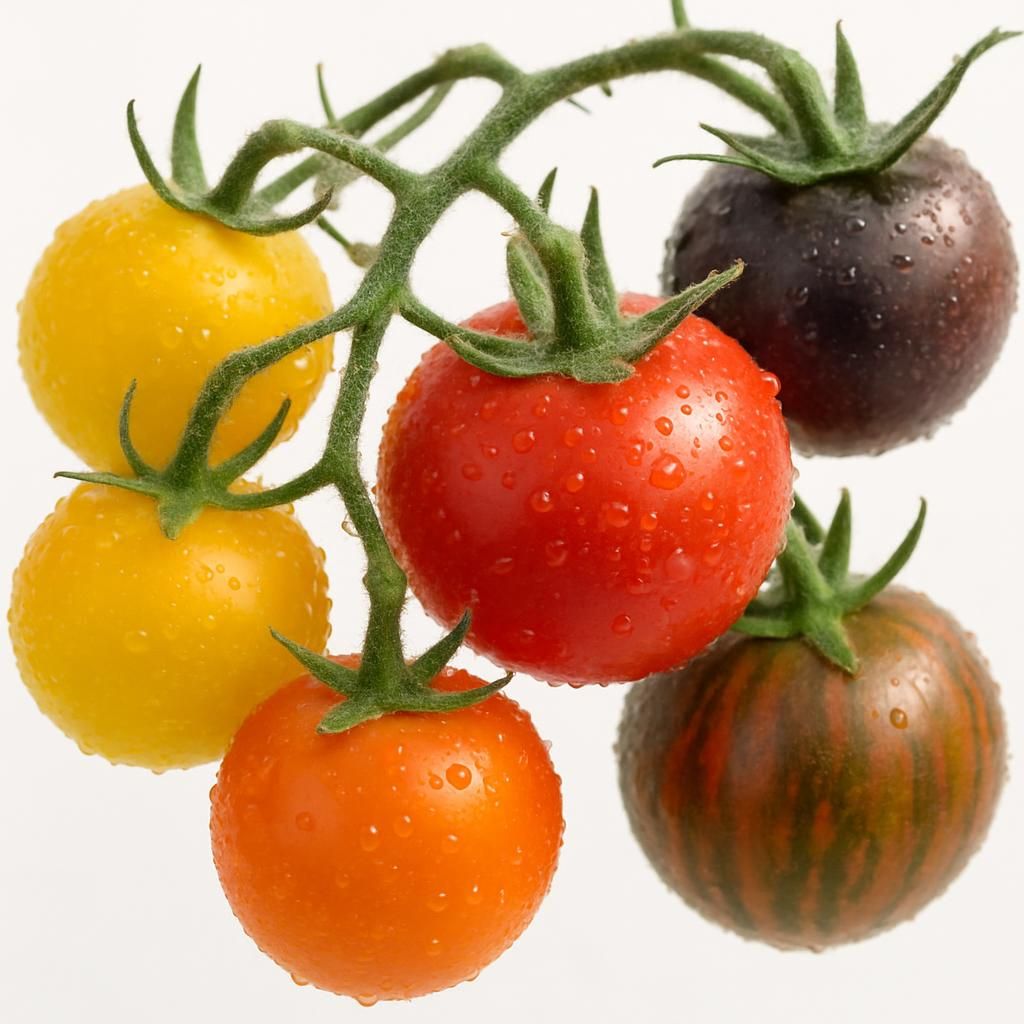
Artisan Mix Tomato represents the pinnacle of flavor-driven tomato breeding, combining multiple heirloom and hybrid cultivars into a single seed mix. Growers seeking high-value produce for farmers' markets, restaurants, and direct-to-consumer sales favor this blend for its visual diversity and superior taste profiles. The mix typically includes varieties with red, yellow, purple, and striped skins, offering a range of sizes from currant-sized cherries to small slicers.
Commercial and home growers alike appreciate the extended harvest window and resilience that comes from genetic diversity within a single planting. This approach reduces the risk of total crop failure from disease or weather events while providing a constant supply of premium tomatoes throughout the season.
Botanical Profile of Artisan Mix Tomato
Artisan Mix Tomato belongs to the nightshade family, Solanaceae, and exhibits the classic indeterminate or semi-determinate growth habits depending on the specific cultivars included in any given mix. Plants develop vigorous vining stems that benefit from strong support structures such as trellises or cages. Leaves are compound and pinnate, with serrated margins and a characteristic tomato aroma when crushed.
Flowers are yellow and self-pollinating, appearing in clusters along the stems. Fruit development varies widely within the mix, ranging from round cherry tomatoes to elongated plum shapes and even heart-shaped slicers. Skin colors include deep red, orange, yellow, purple-black, and bi-color striped patterns, each contributing unique flavor compounds such as higher sugar levels or balanced acidity.
Soil, pH, and Climate Requirements for Artisan Mix Tomato
Artisan Mix Tomato thrives in well-drained, fertile loam soils rich in organic matter. Consistent moisture without waterlogging is essential to prevent issues such as Blossom End Rot. The crop performs best in regions with warm days and moderate nighttime temperatures.
| Parameter | Ideal Range | Notes |
|---|---|---|
| Soil Type | Loamy, well-drained | Incorporate compost or aged manure |
| Soil pH | 6.2 – 6.8 | Test annually; adjust with lime or sulfur |
| Daytime Temperature | 70–85 °F (21–29 °C) | Optimal fruit set and flavor development |
| Nighttime Temperature | 55–70 °F (13–21 °C) | Avoid below 50 °F to prevent blossom drop |
| Spacing | 18–24 in (45–60 cm) between plants | Rows 4–5 ft (1.2–1.5 m) apart |
| Sunlight | Full sun, minimum 8 hours | Use reflective mulch in cooler climates |
Step-by-Step Planting & Propagation
Start seeds indoors 6–8 weeks before the last expected frost date. Sow seeds ¼ inch deep in sterile seed-starting mix and maintain soil temperature at 75–80 °F. Provide 14–16 hours of supplemental light daily until seedlings develop their first true leaves.
Harden off transplants for 7–10 days by gradually exposing them to outdoor conditions. Transplant outdoors once soil temperatures reach at least 60 °F and all danger of frost has passed. Space plants according to the table above and install support structures at planting time to minimize root disturbance later.
Direct seeding is possible in warm climates but is less reliable for early production. Use row covers or low tunnels to extend the season in marginal areas.
Care & Maintenance regimes for Artisan Mix Tomato
Consistent cultural practices are critical for maximizing yield and fruit quality in Artisan Mix Tomato. Mulching with organic materials helps retain moisture, suppress weeds, and moderate soil temperature.
| Growth Stage | Watering Schedule | Fertilizer Application | Pruning & Training Schedule |
|---|---|---|---|
| Seedling/Transplant | Keep evenly moist; 0.5–1 in/week | Light starter fertilizer (5-10-10) | Remove lower leaves; stake immediately |
| Vegetative | 1–1.5 in/week; deep infrequent | Side-dress with compost tea every 3 wks | Remove suckers below first flower cluster |
| Flowering/Fruit Set | Maintain even moisture; avoid fluctuations | Switch to balanced 8-8-8 or fish emulsion every 2 wks | Continue selective sucker removal; tie stems |
| Harvest Period | Reduce slightly to concentrate sugars | Light potassium boost every 3 wks | Remove diseased foliage; maintain airflow |
Pests, Diseases & Organic Management
Artisan Mix Tomato is susceptible to common tomato pests including aphids, hornworms, and flea beetles. Regular scouting and the use of floating row covers during early growth stages provide effective organic control.
Diseases such as Early Blight, Late Blight, and tomato spotted wilt virus can impact production. Implement a strict crop rotation of at least three years and remove all plant debris at season's end. Copper-based fungicides and neem oil offer organic options when applied preventively.
Encourage beneficial insects such as lady beetles and lacewings by planting flowering herbs nearby. Avoid overhead irrigation to reduce foliar disease pressure.
Harvesting, Curing & Optimal Storage
Harvest Artisan Mix Tomato fruits when they reach full color and yield slightly to gentle pressure. Pick in the cool morning hours to preserve shelf life. For maximum flavor, allow fruits to ripen fully on the vine when possible.
Sort harvested tomatoes by color and size for market presentation. Store ripe fruits at 55–70 °F away from direct sunlight. Unripe tomatoes can be placed in a single layer at room temperature to finish ripening. Avoid refrigeration below 50 °F, which causes flavor loss and mealy texture.
For longer storage, process into sauces, salsas, or dehydrate into sun-dried products. Properly cured and stored dried tomatoes retain quality for up to 12 months.
Companion Planting for Artisan Mix Tomato
Strategic companion planting enhances Artisan Mix Tomato resilience and flavor. Basil planted nearby is widely reported to improve tomato taste while repelling pests. Marigold flowers deter nematodes and attract pollinators.
Other beneficial pairings include Nasturtium for aphid control and Thyme for improved aromatic compounds. Avoid planting near Fennel or Walnut trees, which can inhibit tomato growth through allelopathy.
Rotate tomatoes with legumes such as Peas or cover crops like Clover to naturally replenish soil nitrogen between seasons.