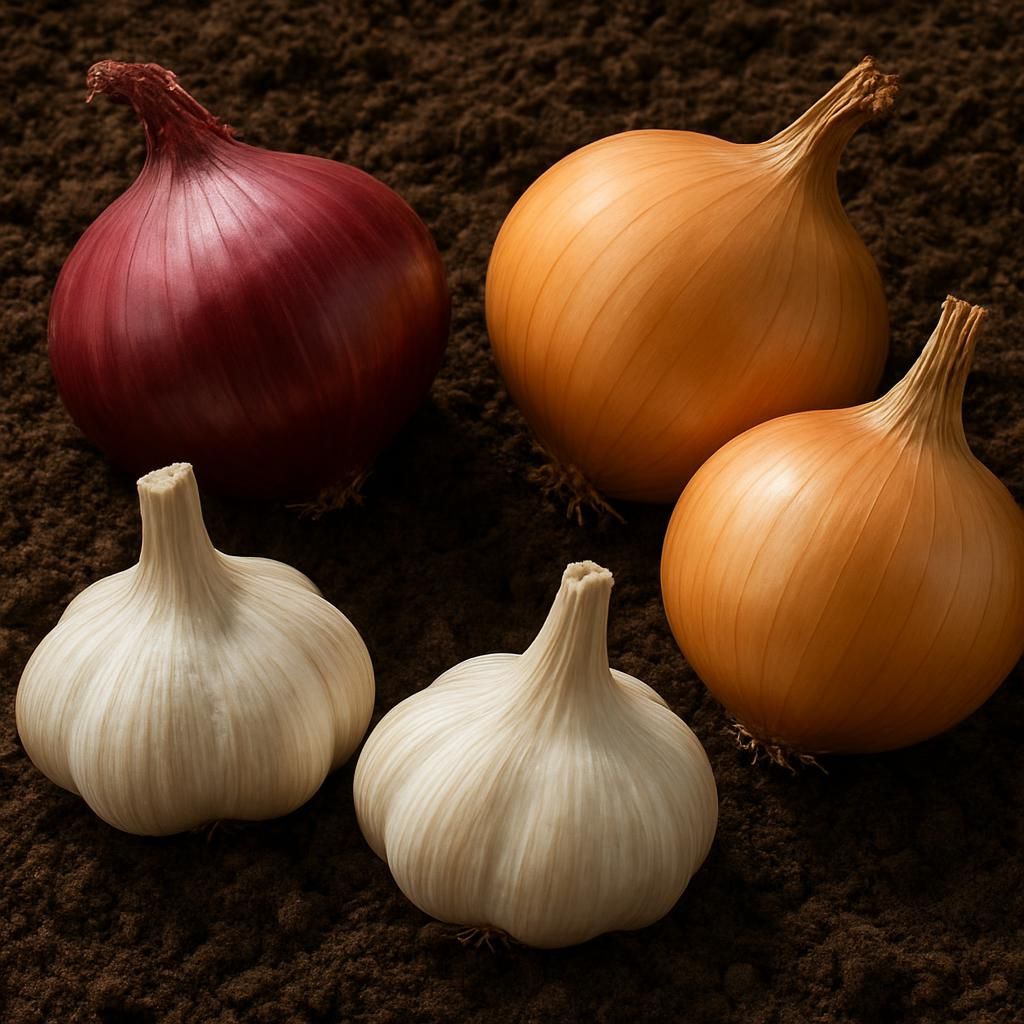
Introduction to allium
Allium crops represent one of the most economically and culinarily important plant groups in commercial and home agriculture. This genus includes staple vegetables such as onions, garlic, shallots, leeks, and chives, each prized for their distinctive sulfur-based flavor compounds and versatility in global cuisines. Alliums have been cultivated for thousands of years, valued not only as food but also for their medicinal and antimicrobial properties. Their ability to store well for months after harvest makes them a reliable cash crop and dietary staple across temperate and subtropical regions.
Botanical Profile of allium
Allium species belong to the Amaryllidaceae family and are characterized by their tunicate bulbs, hollow or flat leaves, and umbellate inflorescences. Most cultivated alliums are biennial plants grown as annuals for their edible bulbs or pseudostems. The bulbs contain high concentrations of sulfur compounds such as thiosulfinates that give them their pungent aroma and health-promoting properties. Garlic (Allium sativum) and onion (Allium cepa) are the two most widely grown species, with numerous cultivars adapted to specific day-length requirements and climate zones. Onion and Garlic are the primary commercial representatives of this genus.
Soil, pH, and Climate Requirements for allium
Alliums require fertile, well-drained soils with good structure to prevent bulb rot and ensure uniform sizing. They perform best in sandy loam to loam soils with high organic matter content. Soil pH should be maintained between 6.0 and 7.0 for optimal nutrient uptake. These crops are cool-season vegetables that prefer temperatures between 55°F and 75°F during active growth, though garlic requires a period of vernalization. Proper site selection and soil preparation are critical for high yields and disease prevention.
| Parameter | Ideal Range/Value | Notes |
|---|---|---|
| Soil Type | Sandy loam to loam | Excellent drainage essential |
| Soil pH | 6.0–7.0 | Avoid acidic soils below 5.8 |
| Organic Matter | 3–5% | Incorporate compost or well-rotted manure |
| Temperature (Growth) | 55–75°F (13–24°C) | Cool season crop |
| Temperature (Bulbing) | 60–70°F (15–21°C) | Day-length sensitive for onions |
| Frost Tolerance | Hardy to 20°F (-6°C) | Protect young seedlings from hard freezes |
| Sunlight | Full sun (6–8 hours) | Essential for bulb development |
| Spacing (Onions) | 3–4 inches in-row, 12–18 inches between rows | Adjust for cultivar size |
| Spacing (Garlic) | 4–6 inches in-row, 12–18 inches between rows | Wider spacing improves bulb size |
Step-by-Step Planting & Propagation
Alliums are propagated from seeds, sets, cloves, or transplants depending on the species and production goals. For onions, sow seeds indoors 8–10 weeks before the last frost or direct seed when soil temperatures reach 50°F. Garlic is planted in fall using individual cloves with the pointed end up, 2–3 inches deep. Shallots and leeks follow similar timing and depth guidelines. Always use disease-free planting material and avoid planting in fields where alliums were grown in the previous 3–4 years to reduce soil-borne disease pressure.
Care & Maintenance regimes for allium
Consistent moisture during early growth and bulbing stages is essential, while reducing water as bulbs mature helps prevent rot and improves storage quality. Side-dress with nitrogen early in the season and switch to balanced or potassium-rich fertilizers during bulb enlargement. Weed control is critical because alliums are shallow-rooted and compete poorly with weeds. Mulching helps retain moisture and suppress weeds while moderating soil temperature.
| Stage | Water Schedule | Fertilizer Schedule | Pruning/Maintenance |
|---|---|---|---|
| Establishment (0–4 weeks) | Keep soil evenly moist (1 inch/week) | Apply high-nitrogen fertilizer at planting and 2 weeks later | Remove weeds; thin seedlings to proper spacing |
| Vegetative Growth | 1 inch/week; avoid water stress | Side-dress with nitrogen every 3–4 weeks | Maintain weed-free beds; mulch as needed |
| Bulbing Stage | Consistent moisture until tops begin to yellow | Switch to low-nitrogen, high-potassium formula | Cease nitrogen applications; reduce water |
| Maturation & Harvest | Reduce irrigation 2–3 weeks before harvest | No additional fertilizer | Allow tops to fall naturally; avoid bruising bulbs |
Pests, Diseases & Organic Management
Common pests of allium crops include Onion Thrips, onion maggots, and Aphids. Diseases such as downy mildew, purple blotch, and basal rot can significantly reduce yields if not managed. Implement integrated pest management by using crop rotation, reflective mulches, and beneficial insects. Organic growers rely on neem oil, insecticidal soaps, and cultural practices such as proper spacing and timely irrigation to minimize disease incidence. Remove and destroy infected plant material promptly.
Harvesting, Curing & Optimal Storage
Harvest alliums when 50–75% of the tops have fallen over for onions or when lower leaves begin to yellow for garlic. Gently lift bulbs to avoid bruising and allow them to cure in a warm, dry, well-ventilated area for 7–14 days. Proper curing develops the protective outer skins necessary for long-term storage. Store cured bulbs in cool (32–40°F), dry conditions with good air circulation. Well-cured garlic can last 6–8 months while onions typically store for 4–6 months depending on variety and conditions.
Companion Planting for allium
Alliums make excellent companions for many vegetable crops because their sulfur compounds naturally repel pests such as carrot flies, aphids, and cabbage loopers. Plant Carrot rows alongside onions to deter carrot fly. Alliums also pair well with Lettuce, Cabbage, and beets. Avoid planting near legumes such as Peas and Beans as alliums can inhibit their growth. Strategic companion planting enhances biodiversity and reduces the need for chemical interventions on small farms.
For additional insights on soil health strategies that support resilient allium production, see The Hidden Power of Mulching: 8 Organic Strategies to Transform Small Farm Soil.