Introduction to Aji Colorado
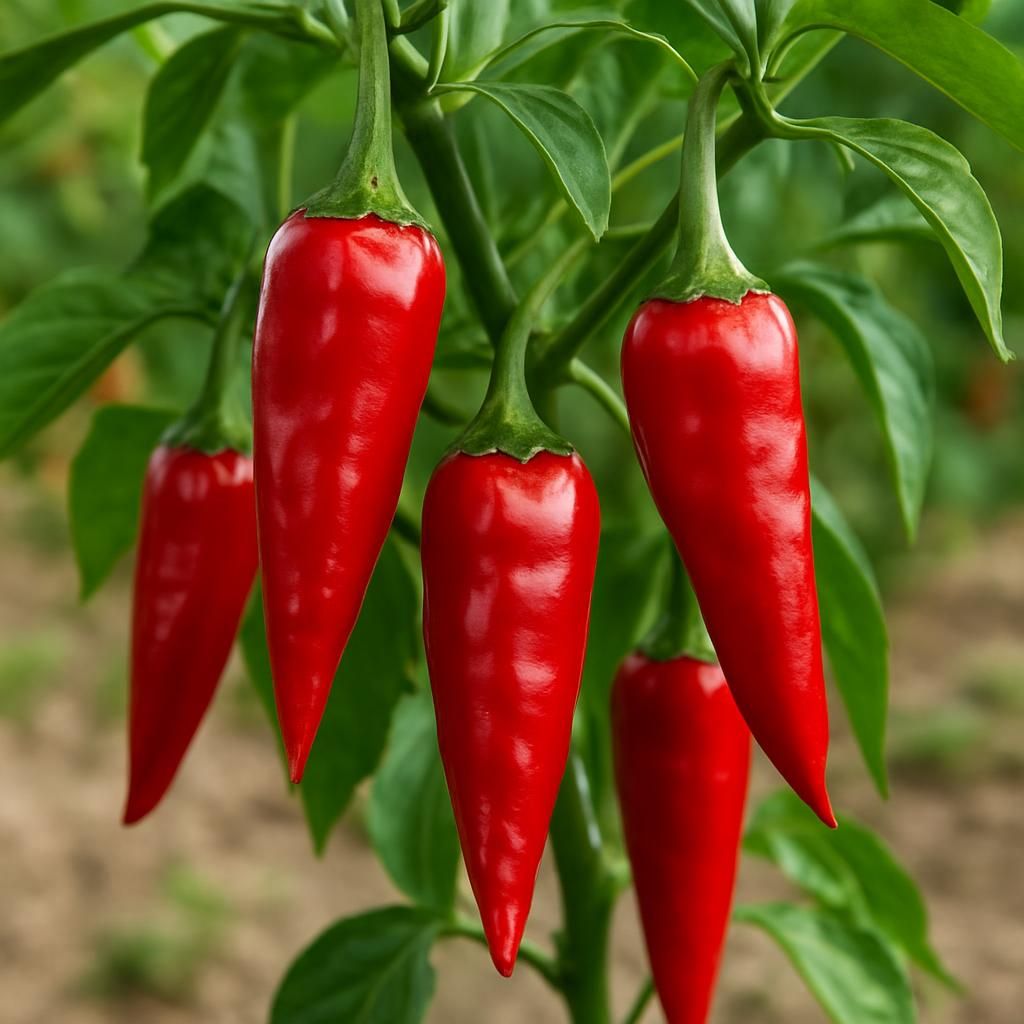
Aji Colorado, scientifically known as Capsicum baccatum var. pendulum, is a traditional Andean pepper originating from the highlands of Peru and Bolivia. Valued for its bright red pods, moderate heat (15,000–30,000 Scoville units), and distinctive fruity aroma, it serves both culinary and ornamental purposes. The pepper’s elongated, tapered fruits reach 3–5 inches in length and mature from green to a glossy deep red. Commercial and small-farm producers appreciate its reliable yields and adaptability to cooler highland climates compared to many Capsicum species.
This guide delivers professional-grade cultivation advice covering every growth stage. Growers will learn optimal soil parameters, climate thresholds, propagation techniques, seasonal care regimes, integrated pest management, and post-harvest handling. Whether scaling production for markets or growing for personal use, the following sections provide actionable steps for consistent, high-quality harvests.
Botanical Profile of Aji Colorado
Aji Colorado belongs to the Solanaceae family and is distinguished by its baccatum lineage. Plants typically reach 24–36 inches in height with a semi-erect branching habit. Leaves are ovate-lanceolate, medium green, and slightly pubescent. Flowers are small, white to cream with yellow-green anthers and often feature purple markings at the corolla base. Fruits are pendant, thin-walled, and contain 30–50 seeds per pod. The species exhibits moderate drought tolerance once established but performs best with consistent moisture and full sun exposure.
Soil, pH, and Climate Requirements for Aji Colorado
Aji Colorado thrives in well-drained, fertile loamy soils rich in organic matter. Soil should remain consistently moist but never waterlogged to prevent root rot. Ideal conditions are summarized below:
| Parameter | Ideal Range | Notes |
|---|---|---|
| Soil Type | Loam to sandy loam | High organic content improves structure |
| Soil pH | 6.0–6.8 | Slightly acidic to neutral |
| Temperature (Day) | 70–85 °F (21–29 °C) | Optimal fruit set occurs in this range |
| Temperature (Night) | 55–65 °F (13–18 °C) | Avoid below 50 °F to prevent blossom drop |
| Sunlight | Full sun, 8+ hours | Partial shade reduces yields |
| Elevation | 1,500–8,500 ft | Performs well in highland tropics |
| Frost Tolerance | None | Protect seedlings from any frost |
Step-by-Step Planting & Propagation
Start seeds indoors 8–10 weeks before the last expected frost. Use sterile seed-starting mix and maintain soil temperature at 80–85 °F for rapid germination (7–14 days). Transplant seedlings when they have 4–6 true leaves and nighttime temperatures consistently exceed 55 °F. Space plants 18–24 inches apart in rows 30–36 inches wide. Harden off transplants for 7–10 days prior to field planting. Direct sowing is possible in warm climates but germination rates and uniformity are lower.
Care & Maintenance regimes for Aji Colorado
Consistent irrigation, balanced nutrition, and timely pruning maximize fruit quality and plant health. Follow the schedule below for optimal results:
| Growth Stage | Watering Frequency | Fertilizer Schedule | Pruning Actions |
|---|---|---|---|
| Seedling (0–4 wks) | Keep evenly moist | ¼-strength balanced liquid fertilizer weekly | Pinch at 4th node to encourage branching |
| Vegetative (4–8 wks) | 1–1.5 inches/week | High-nitrogen feed every 10–14 days | Remove lower leaves touching soil |
| Flowering (8–12 wks) | 1.5–2 inches/week | Switch to high-phosphorus bloom formula | Light tipping of vigorous shoots |
| Fruiting (12+ wks) | 2 inches/week | Balanced NPK every 3 weeks + calcium foliar | Remove damaged or diseased branches |
Mulch with 2–3 inches of organic material to conserve moisture and suppress weeds. Monitor leaf color and adjust fertilizer if yellowing occurs.
Pests, Diseases & Organic Management
Common threats include aphids, thrips, spider mites, and fungal pathogens such as powdery mildew. Implement weekly scouting and introduce beneficial insects early. Apply neem oil or insecticidal soap at the first sign of infestation. Rotate crops annually and avoid overhead irrigation to reduce fungal blights. Copper-based sprays provide organic control for bacterial issues when applied preventively.
Harvesting, Curing & Optimal Storage
Harvest Aji Colorado peppers when they reach full red color and firm texture, typically 75–90 days after transplant. Use clean pruners to cut stems, leaving a short peduncle. For fresh use, store at 45–50 °F with 85–90% humidity for up to two weeks. For drying, spread pods in single layers in a well-ventilated area or use a dehydrator at 125 °F until brittle. Store dried peppers in airtight containers away from light; whole pods retain flavor for 12–18 months.
Companion Planting for Aji Colorado
Pair Aji Colorado with basil to repel pests and improve flavor. Marigold and nasturtium provide additional pest deterrence through root exudates and visual distraction. Avoid planting near fennel or members of the Brassica family, which may compete for nutrients or attract shared pests. Interplant with tomato or eggplant for efficient space use and shared cultural requirements.
For additional insights on seasonal planning and soil health strategies that support resilient pepper production, see The Truth About Weather Patterns and Small Farm Resilience.