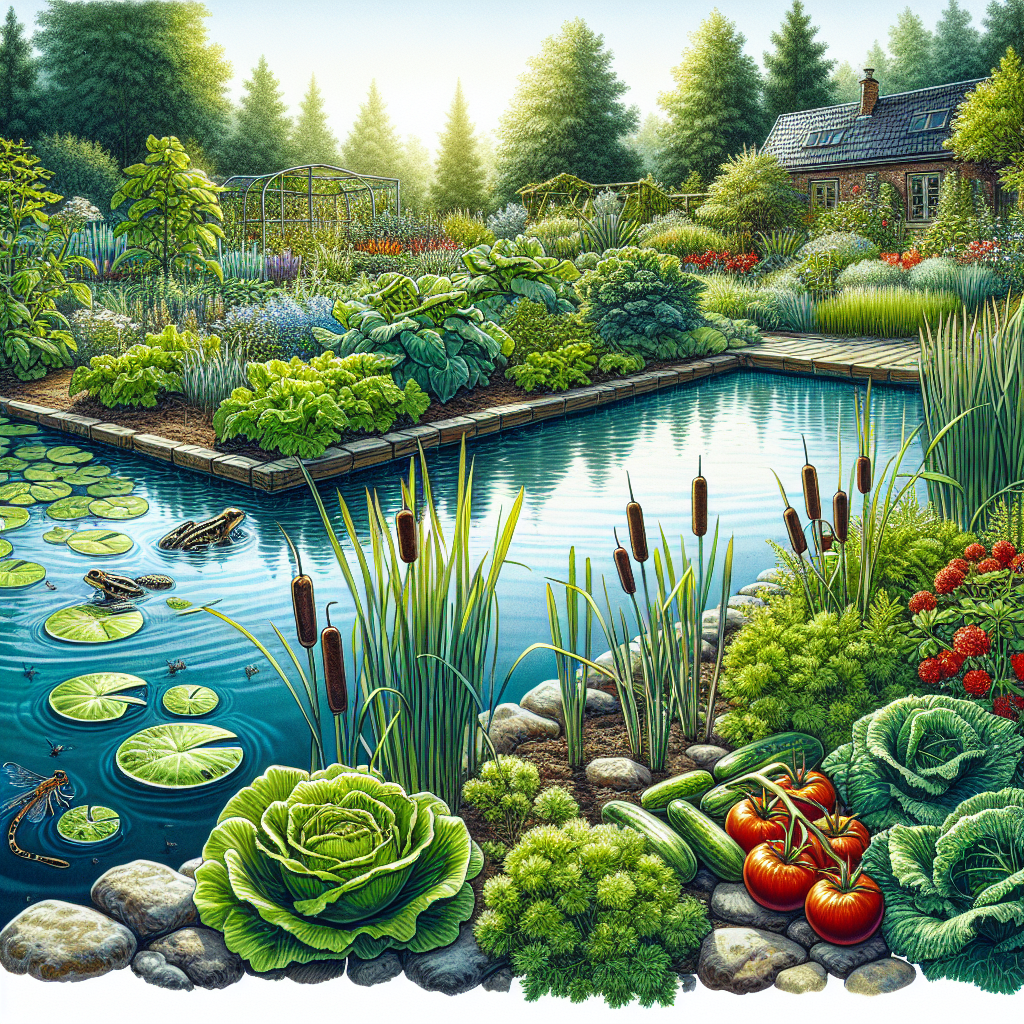
How to Build and Maintain a Backyard Pond for Organic Garden Irrigation and Wildlife Habitat
Introduction
Creating a new backyard pond is an exciting project for homesteaders and organic gardeners looking to enhance their self-sufficiency. A well-designed pond serves multiple purposes: it acts as a reliable water source for irrigating crops like tomatoes, lettuce, and cucumbers, attracts beneficial wildlife such as frogs and dragonflies that control pests naturally, and adds aesthetic value to your landscape. However, without proper planning, ponds can become murky, algae-ridden eyesores or fail to retain water. This guide provides practical, organic-first strategies to build and maintain a thriving pond tailored to gardening needs, ensuring it integrates seamlessly with your vegetable patch or orchard.
Whether you're starting from scratch on a small homestead plot or expanding an existing garden, addressing site selection, construction, and ongoing care upfront prevents costly mistakes. Expect to invest 1-2 weekends for a 500-2000 square foot pond, with costs ranging from $500-$3000 depending on size and materials. By focusing on natural filtration and native plants, your pond will support ecosystem health while providing clean water for drip irrigation systems feeding high-yield crops.
Common Causes of Backyard Pond Problems
Many new pond owners face issues that turn their dream feature into a maintenance nightmare. Understanding these root causes helps you build a resilient system from the start.
Poor Site Selection
Choosing a low-lying area prone to runoff leads to sediment buildup and contamination from fertilizers or pesticides leaching from nearby gardens. Shaded spots encourage mosquito breeding, while full-sun exposure without plants promotes excessive algae growth.
Inadequate Waterproofing
Using subpar liners or no liner at all results in leaks. Clay soils may seem ideal but crack in dry spells; synthetic liners puncture easily from sharp rocks or roots.
Imbalanced Ecosystem
Overstocking fish or ignoring plant coverage causes oxygen depletion and nutrient overload. Without natural filters like marginal plants, nitrates from decaying matter fuel algae blooms, clouding water and harming aquatic life.
Water Quality Issues
Stagnant water breeds bacteria and pathogens. Runoff from potato fields or chicken coops introduces excess nitrogen and phosphates, leading to eutrophication.
Here's a table summarizing common problems and their indicators:
| Problem | Symptoms | Primary Causes |
|---|---|---|
| Leaks | Rapid water loss, dry pond bottom | Poor liner, soil cracks, punctures |
| Algae Blooms | Green scum, murky water | Excess sunlight, high nutrients |
| Mosquito Infestations | Swarming insects | Stagnant water, no predators |
| Fish Die-offs | Floating bodies, foul odor | Low oxygen, toxins, overcrowding |
| Sediment Buildup | Cloudy water, shallowing | Runoff, no filtration plants |
These issues often compound, reducing the pond's utility for irrigation--dirty water clogs drip lines and stresses plants like kale.
Step-by-Step Organic Solutions
Follow these organic methods to construct and manage your pond. Prioritize natural materials and biological filtration for a self-sustaining system.
Step 1: Site Selection and Planning (1-2 Days)
Assess your homestead for a level spot 10-20 feet from gardens to minimize contamination but close enough for gravity-fed irrigation. Test soil pH (ideal 6.5-7.5) and permeability. Aim for partial shade with 4-6 hours of sun. Sketch a design: 2-4 feet deep in the center for fish overwintering, sloped edges for wildlife access. Size it to 1% of your garden area--e.g., 100 sq ft for a 10,000 sq ft plot.
Step 2: Excavation and Liner Installation (2-3 Days)
Mark the outline with stakes and string. Dig in tiers: deep center, shallow shelves (6-12 inches) for plants. Remove sharp rocks and roots. For organic lining, use bentonite clay (1-2 inches thick, compacted) or EPDM rubber (45 mil, fish-safe). Avoid PVC. Overlap seams with underlayment fabric.
| Liner Type | Pros | Cons | Cost per sq ft |
|---|---|---|---|
| Bentonite Clay | Natural, self-sealing | Needs thick layer | $0.50-$1.00 |
| EPDM Rubber | Durable (20+ years), flexible | Requires underlayment | $0.80-$1.50 |
| Concrete | Permanent | Cracks, alkaline (avoid) | $5-$10 |
Fill slowly to check for leaks; top with 1-2 feet of water.
Step 3: Natural Filtration and Planting (1 Day)
Install organic filtration: gravel bog filters on shelves with lava rock. Plant natives:
- Oxygenators: Hornwort, anacharis (submerged, deplete nitrates).
- Marginals: Pickerelweed, cattails (edges, shade water).
- Floaters: Water lilies (surface cover, reduce evaporation). Cover 50-70% of surface to control algae. These plants purify water for safe use on edibles like broccoli.
Step 4: Stocking and Initial Balancing (Week 1)
Introduce mosquito fish (Gambusia) or tadpoles for pest control--no chemicals needed. Add snails for algae grazing. Test water: ammonia <0.5 ppm, nitrates <20 ppm. Aerate with a solar fountain if needed.
Step 5: Integrate with Garden Irrigation
Pipe overflow to rain barrels or drip lines. Use pond water weekly for carrots--rich in microbes, it boosts soil biology. Filter through sand beds for potable crops.
Ongoing Maintenance
- Weekly: Skim debris, check levels.
- Monthly: Trim plants, test parameters.
- Seasonally: Net leaves in fall, divide plants in spring.
Prevention Tips
Proactive measures ensure longevity:
- Buffer Zones: Plant clover or yarrow strips around the pond to filter runoff from gardens.
- Diverse Planting: Rotate aquatics annually to prevent monocultures.
- Wildlife Encouragement: Add rocks/logs for frog habitats; they eat pests affecting eggplant.
- Monitoring Tools: Use simple kits for pH/nitrates; log data in a journal.
- Winter Prep: Deep zones prevent freezing; insulate pipes.
- Organic Inputs Only: Compost tea from garden waste aerates safely.
| Maintenance Timeline | Task | Frequency |
|---|---|---|
| Daily/Weekly | Debris removal, water level check | As needed |
| Monthly | Plant trimming, water testing | 1x/month |
| Quarterly | Filter cleaning, fish health check | 1x/quarter |
| Annually | Full drain/clean (if needed) | Spring |
By year two, your pond should be self-regulating, yielding clean water for a bountiful harvest. Homesteaders report 20-30% water savings and natural pest control, making it indispensable for organic strawberry beds or squash vines.
This approach yields a pond that's not just functional but a thriving ecosystem, supporting your entire homestead.