Introduction to Ostrich Fern
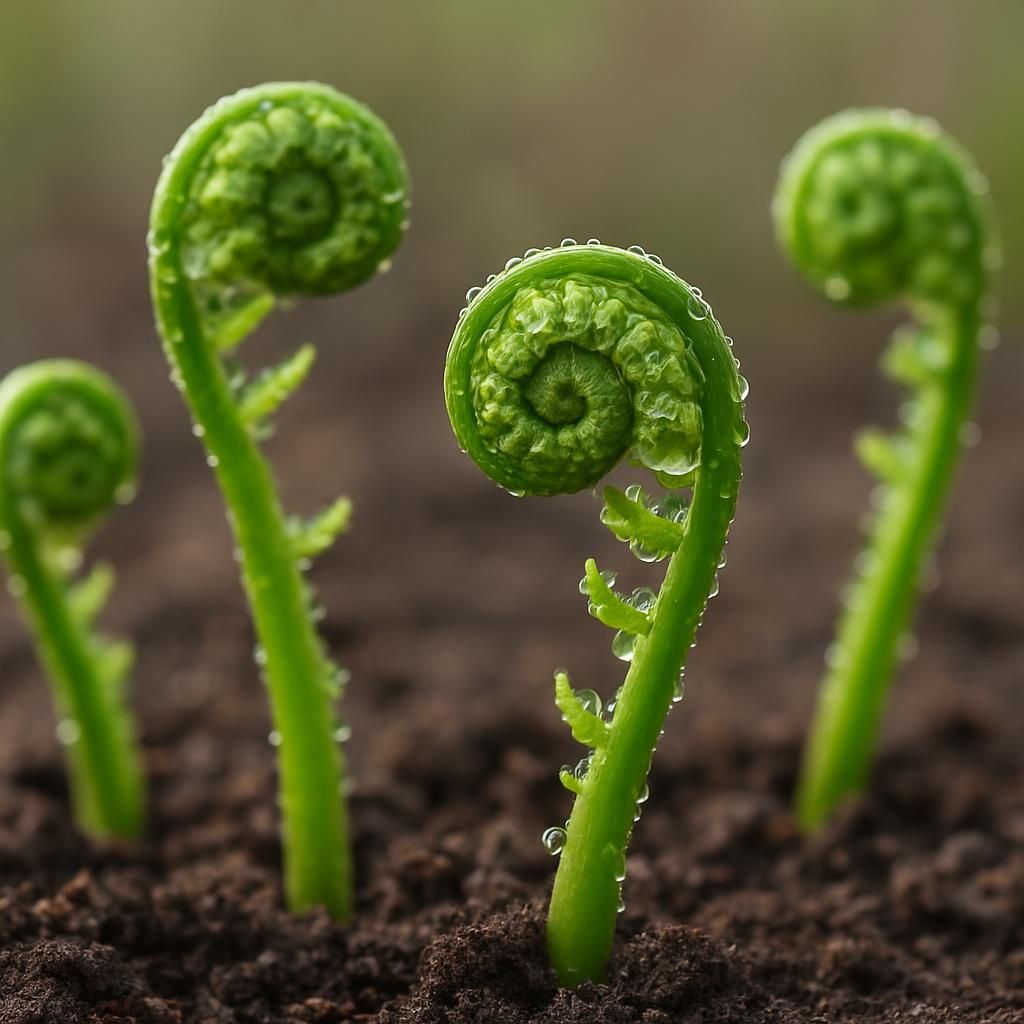
Ostrich Fern (Matteuccia struthiopteris) is a vigorous, clump-forming perennial native to temperate regions of North America, Europe, and Asia. Valued both as an edible spring vegetable and a dramatic landscape plant, its tall, vase-shaped fronds can reach 4–6 feet in height. The tightly coiled young shoots, known as fiddleheads, are harvested in early spring and prized for their delicate flavor and nutritional profile.
Commercial and home growers appreciate Ostrich Fern for its ability to thrive in moist, shaded woodland conditions where many other crops struggle. Its aggressive rhizomatous spread makes it excellent for erosion control along stream banks, yet it requires careful management to prevent unwanted colonization. With proper site selection and cultural practices, Ostrich Fern can produce reliable fiddlehead harvests for decades.
Beyond culinary use, the plant provides valuable habitat for beneficial insects and amphibians while adding striking architectural interest to shade gardens. Its cold hardiness (USDA zones 2–7) and low maintenance requirements make it an increasingly popular choice for sustainable and permaculture plantings.
Botanical Profile of Ostrich Fern
Ostrich Fern belongs to the family Onocleaceae and is distinguished by its dimorphic fronds. The sterile fronds are broad, deeply pinnate, and emerge in a distinctive circular pattern resembling an ostrich plume. Fertile fronds are narrower, brown, and persist through winter, releasing spores the following spring.
The plant spreads via thick, scaly rhizomes that produce new crowns annually. Each crown can generate 8–12 fronds per season under optimal conditions. The fiddleheads emerge in tight, woolly coils in early spring, typically when soil temperatures reach 50–55 °F (10–13 °C). Mature plants form dense colonies that can expand 12–18 inches per year.
Ostrich Fern is deciduous in colder climates, with fronds dying back after the first hard frost. The persistent fertile fronds provide winter interest and a natural spore bank for propagation. The species is long-lived, with individual crowns remaining productive for 15–20 years when divided periodically.
Soil, pH, and Climate Requirements for Ostrich Fern (MUST INCLUDE A MARKDOWN TABLE OF IDEAL CONDITIONS)
Ostrich Fern performs best in consistently moist, well-drained soils rich in organic matter. It tolerates a wide pH range but grows most vigorously in slightly acidic conditions. Heavy clay soils should be amended with compost or aged leaf mold to improve structure and drainage.
The plant requires partial to full shade, especially protection from afternoon sun in warmer climates. It thrives in USDA hardiness zones 2–7 and benefits from cool, humid microclimates. Supplemental irrigation is essential during dry spells to maintain soil moisture at field capacity.
| Parameter | Ideal Range | Notes |
|---|---|---|
| Soil Type | Loamy, rich in humus | Avoid compacted or waterlogged soils |
| Soil pH | 5.5 – 6.8 | Slightly acidic to neutral |
| Temperature Range | 50–75 °F (10–24 °C) daytime | Cool nights promote vigorous growth |
| USDA Hardiness Zones | 2–7 | Extremely cold hardy; mulch in zone 2–3 |
| Light Requirements | Partial to full shade | Morning sun acceptable; avoid hot afternoon exposure |
| Moisture | Consistently moist | 1–2 inches water per week; never allow to dry out |
| Organic Matter | 4–6 inches incorporated | Leaf mold, compost, or well-rotted manure |
Step-by-Step Planting & Propagation
Site preparation begins in fall or early spring. Clear competing vegetation and incorporate 4–6 inches of organic matter to a depth of 12 inches. Raised beds or berms are recommended in heavy soils to improve drainage while retaining moisture.
Rhizome divisions are the most reliable propagation method. In early spring before frond emergence, carefully lift established clumps and separate sections containing at least one growing tip and healthy roots. Replant divisions immediately at the same depth, spacing crowns 18–24 inches apart in rows 3 feet apart.
Spores can be collected from mature fertile fronds in late summer and sown on sterile, moist medium under high humidity. Germination occurs in 4–8 weeks, but seedlings require 2–3 years to reach harvestable size. Container-grown plants from nurseries offer the fastest route to production.
Plant crowns so the growing tips sit just below the soil surface. Water thoroughly after planting and apply a 2–3 inch layer of shredded leaves or bark mulch to conserve moisture and suppress weeds. Avoid burying the crown too deeply, which can lead to rot.
Care & Maintenance regimes for Ostrich Fern (MUST INCLUDE A MARKDOWN TABLE OF WATER, FERTILIZER, AND PRUNING SCHEDULES)
Consistent moisture is critical throughout the growing season. Apply 1 inch of water weekly during active growth and increase to 1.5–2 inches during hot, dry periods. Drip irrigation or soaker hoses positioned at the base prevent foliar diseases associated with overhead watering.
Fertilization should be light and organic. A single application of well-balanced compost or aged manure in early spring provides sufficient nutrients. Avoid high-nitrogen fertilizers that promote weak, floppy growth. Side-dress with leaf mold or worm castings in mid-summer if fronds appear pale.
Remove spent fertile fronds in late winter to reduce disease carryover and improve appearance. Divide overcrowded clumps every 4–5 years in early spring to maintain vigor and control spread. Cut back all foliage to ground level after the first hard frost.
| Task | Schedule | Details |
|---|---|---|
| Watering | Weekly during growth; more in heat | Maintain even soil moisture; mulch helps |
| Fertilizer | Early spring + optional mid-summer | Compost, aged manure, or worm castings |
| Pruning / Division | Late winter (fronds); every 4–5 yrs (division) | Remove fertile fronds; divide in early spring |
| Mulch Refresh | Spring and fall | 2–3 inches organic mulch; keep away from crown |
| Weed Control | As needed | Hand pull or shallow cultivation only |
Pests, Diseases & Organic Management
Ostrich Fern is relatively pest-resistant but can be affected by slugs and snails that chew tender fiddleheads. Handpick at dusk or use beer traps and diatomaceous earth barriers. Aphids occasionally colonize new growth; strong water sprays or insecticidal soap provide effective control.
Fungal issues such as Botrytis and leaf spot diseases appear in overly wet conditions. Improve air circulation by proper spacing and avoid overhead irrigation. Remove and destroy infected fronds. Pythium and Phytophthora root rots can develop in poorly drained soils; raised beds and organic matter incorporation are the best preventives.
Deer and rabbits may browse young fronds in early spring. Physical barriers or repellent sprays containing garlic or capsaicin offer temporary protection. Regular monitoring and prompt sanitation remain the cornerstones of organic management.
Harvesting, Curing & Optimal Storage
Harvest fiddleheads when they reach 4–6 inches tall and before the fronds begin to unfurl, typically over a 2–3 week window in spring. Cut at ground level with a sharp knife, taking no more than half the emerging shoots from each crown to ensure plant health.
Immediately rinse harvested fiddleheads in cold water to remove the brown, papery chaff. Blanch in boiling water for 2 minutes, then plunge into ice water to preserve color and texture. Drain thoroughly and pack into freezer bags or vacuum-seal for long-term storage.
Fresh fiddleheads keep 2–3 days in the refrigerator when loosely wrapped in damp paper towels inside a perforated bag. For longer storage, freezing after blanching is recommended. Properly processed fiddleheads retain quality for 10–12 months in the freezer.
Companion Planting for Ostrich Fern
Ostrich Fern pairs well with other shade-loving perennials that share similar moisture requirements. Compatible companions include Hostas (not in wiki list but commonly used), Astilbe, and native woodland species such as Trillium. These combinations create layered woodland plantings that suppress weeds and enhance biodiversity.
Avoid planting near aggressive spreaders like Mint or running Bamboo that can outcompete fern crowns. In edible landscapes, Ostrich Fern works well alongside Rhubarb and Asparagus at the edges of shade gardens where their different growth cycles complement each other.
Strategic placement near water features or rain gardens leverages the fern’s affinity for moist conditions while providing natural filtration. When designing larger plantings, allow ample space for colony expansion to prevent overcrowding and maintain airflow.