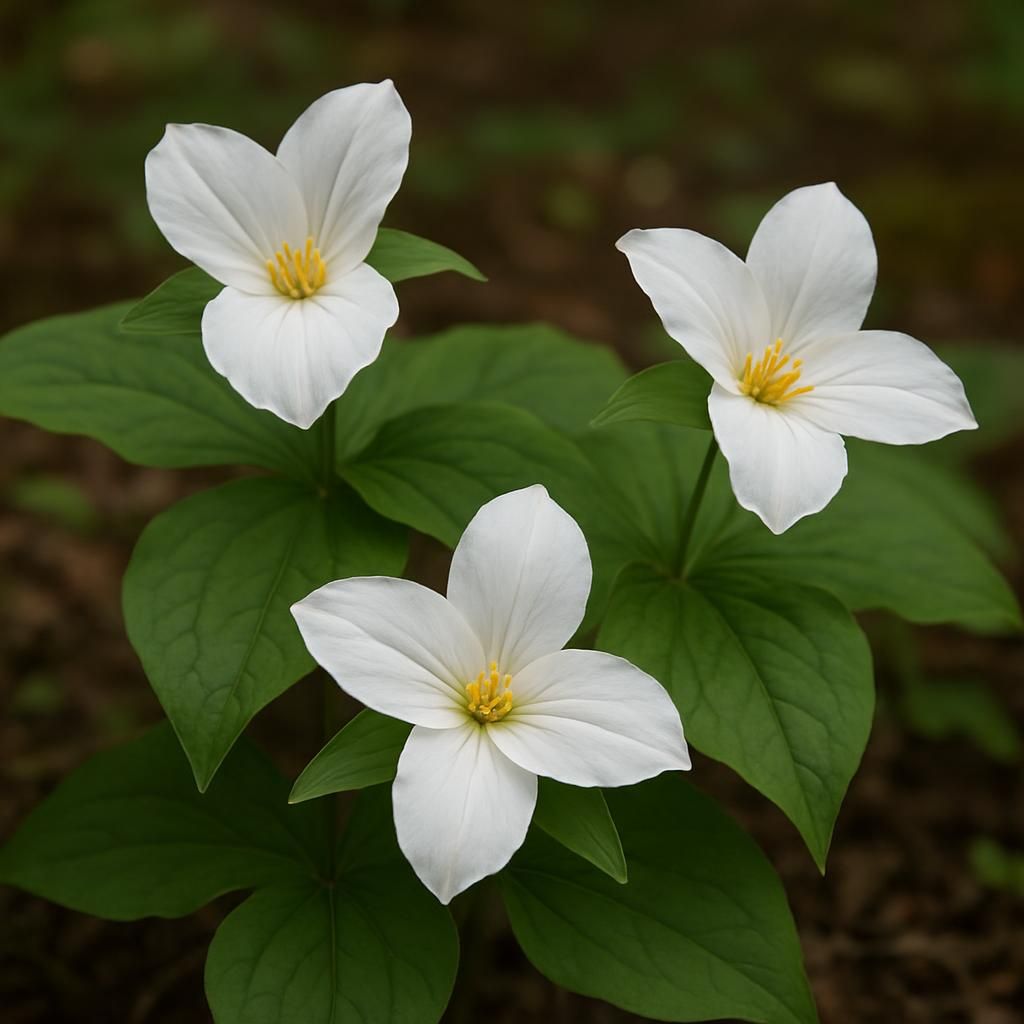
Introduction to trillium
Trillium species are iconic spring ephemerals native to temperate woodlands across North America and parts of Asia. These slow-growing perennials produce solitary three-petaled flowers atop a whorl of three leaves, creating an unmistakable silhouette that has made them favorites among native plant enthusiasts and woodland gardeners. Because most species take five to seven years to reach flowering size from seed, successful commercial or conservation-scale production requires patience, precise site preparation, and long-term stewardship. Professional growers value trillium for ecological restoration projects, specialty native plant nurseries, and high-value woodland medicinal markets.
Botanical Profile of trillium
The genus Trillium belongs to the Melanthiaceae family and contains approximately 50 recognized species. Plants are herbaceous perennials arising from short, thick rhizomes. Each aerial shoot consists of a single whorl of three sessile or short-petioled leaves and a solitary terminal flower with three sepals, three petals, and six stamens. Flower color ranges from white and pink to deep maroon depending on species. Most North American species are spring ephemerals that senesce by midsummer. Trillium species exhibit both sexual and vegetative reproduction, with many populations relying heavily on ant-mediated seed dispersal.
Soil, pH, and Climate Requirements for trillium (MUST INCLUDE A MARKDOWN TABLE OF IDEAL CONDITIONS)
Trillium thrives in cool, moist, deciduous forest soils with high organic matter. The plants require consistent moisture during spring growth but tolerate drier summer conditions once dormant. They prefer dappled shade or morning sun with afternoon protection. The following table summarizes optimal environmental parameters.
| Parameter | Ideal Range | Notes |
|---|---|---|
| Soil Type | Loamy, well-drained, high humus | Incorporate leaf mold or aged compost |
| Soil pH | 5.5 – 6.8 | Slightly acidic to neutral |
| Temperature | 10–21 °C (50–70 °F) spring growth | Hardy to USDA Zone 3–8 |
| Annual Rainfall | 750–1,500 mm (30–60 in) | Supplemental irrigation in dry periods |
| Light | 30–70 % shade | Avoid full sun after canopy leaf-out |
| Spacing | 15–20 cm (6–8 in) between plants | 30 cm (12 in) between rows for production |
Step-by-Step Planting & Propagation
Propagation of trillium is achieved primarily through division of established rhizomes or from seed. Division is the fastest commercial method but limited by stock availability. Seed propagation requires cold stratification for 18–24 months and yields genetically diverse plants suitable for restoration. Site preparation begins with removal of competing vegetation and incorporation of 5–8 cm of leaf mold. Plant rhizome divisions 5–8 cm deep in autumn or early spring. For seed production, sow fresh seed immediately after harvest in prepared woodland beds; label rows clearly because seedlings remain underground for the first year.
Care & Maintenance regimes for trillium (MUST INCLUDE A MARKDOWN TABLE OF WATER, FERTILIZER, AND PRUNING SCHEDULES)
Once established, trillium requires minimal intervention beyond maintaining canopy cover and soil moisture. Mulch annually with shredded leaves to replicate natural forest floor conditions. The following table outlines professional maintenance schedules.
| Season | Watering | Fertilizer | Pruning / Maintenance |
|---|---|---|---|
| Spring | Keep evenly moist; 2.5 cm/week | Top-dress with 1 cm well-rotted leaf compost | Remove spent flowers after seed set |
| Summer | Reduce to natural rainfall | None required; allow natural leaf litter | Cut back senesced foliage in late July |
| Autumn | Maintain moisture for root growth | Light application of balanced organic fertilizer (NPK 5-5-5) at 50 g/m² | Divide rhizomes every 4–5 years |
| Winter | Ensure good drainage | None | Protect young plantings with light mulch |
Pests, Diseases & Organic Management
Trillium is relatively pest-resistant but can suffer from slugs, snails, and occasional deer browsing. Fungal issues such as Botrytis may appear in overly wet springs. Organic management includes hand-picking slugs, applying iron phosphate baits, and improving air circulation through proper spacing. Avoid chemical fungicides; instead, remove and destroy infected foliage and maintain a 5 cm mulch layer to reduce splash dispersal of spores.
Harvesting, Curing & Optimal Storage
Commercial harvest of trillium focuses on rhizomes for medicinal markets or whole plants for nursery sales. Harvest mature rhizomes in autumn after foliage has senesced. Gently lift with a garden fork, wash soil from roots, and cure at 15–18 °C with 60–70 % humidity for 7–10 days. Store cured rhizomes in ventilated crates at 2–5 °C; viability remains high for up to six months. For nursery stock, pot divisions immediately or heel in moist sand until spring planting.
Companion Planting for trillium
Trillium pairs well with other spring ephemerals and shade-tolerant woodland species. Recommended companions include Mayapple, Wild Ginger, and ferns that provide complementary foliage texture without competing for resources. Avoid aggressive groundcovers such as English ivy that can smother young trillium shoots. In production settings, interplanting with Thyme or low-growing Clover between rows can suppress weeds while improving soil nitrogen levels.