Introduction to Mastic Resin
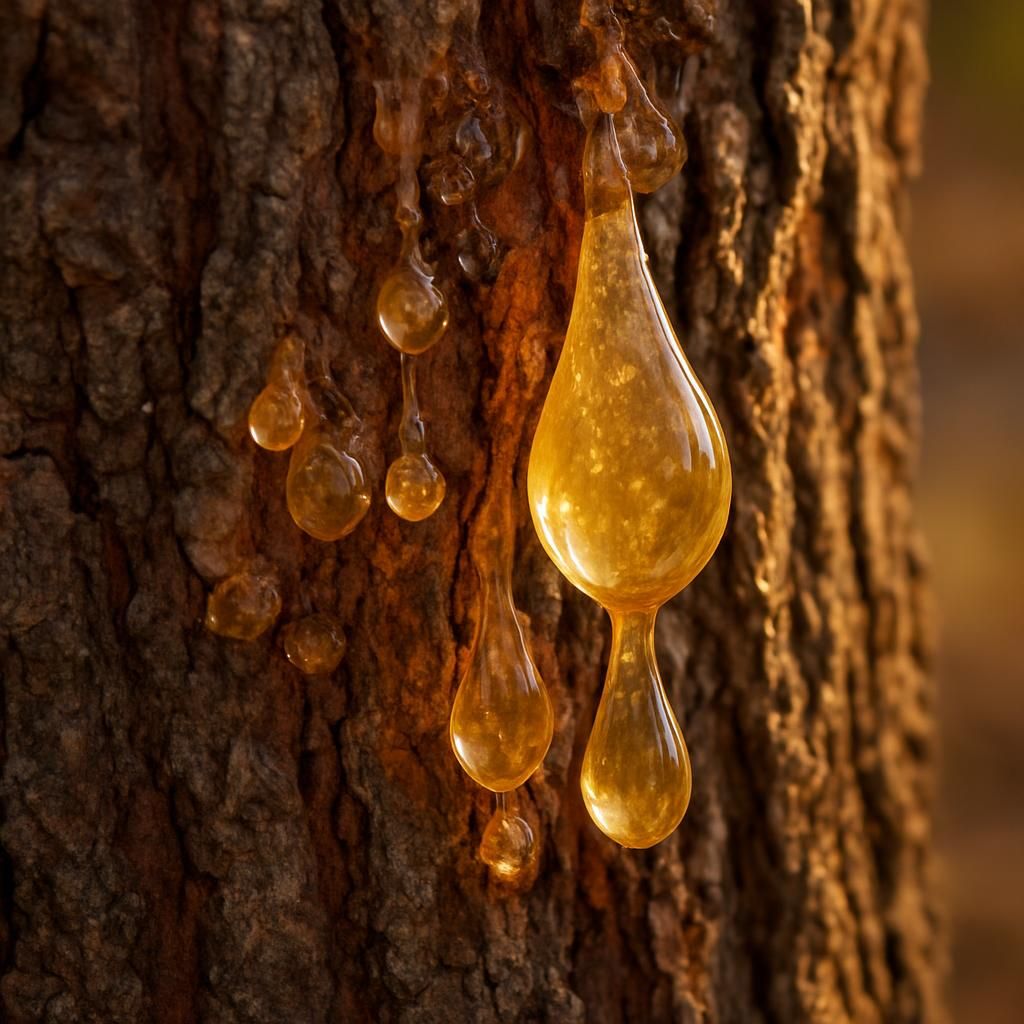
Mastic resin, commonly known as "tears of Chios," is a premium natural product obtained exclusively from the mastic tree, Pistacia lentiscus. The resin has been harvested for over 2,500 years on the Greek island of Chios and is now cultivated in other Mediterranean regions with similar climates. Its unique flavor and therapeutic properties make it a sought-after ingredient in confectionery, chewing gum, pharmaceuticals, and traditional medicine.
Commercial growers focus on the subspecies Pistacia lentiscus var. chia, which produces the highest resin yield and quality. The resin solidifies into translucent droplets that are collected by hand, sorted by size and color, and sold in grades ranging from "large tears" to "powder." Demand continues to rise in both gourmet and wellness markets, making mastic a high-value specialty crop for small and medium farms in suitable climates.
Successful cultivation depends on replicating the hot, dry summers and mild, wet winters of the eastern Mediterranean. Trees require 15–20 years to reach full resin productivity, so long-term planning and careful site selection are essential. This guide provides professional, field-tested practices for establishing and managing a productive mastic orchard.
Botanical Profile of Mastic Resin
Pistacia lentiscus is a slow-growing evergreen shrub or small tree reaching 2–5 meters in height with a dense, rounded crown. The leathery, pinnate leaves are dark green above and paler beneath, releasing a pleasant resinous scent when crushed. Small, inconspicuous flowers appear in spring, followed by clusters of small, spherical drupes that ripen from red to black.
The resin is produced in specialized ducts within the bark and is exuded when the tree is wounded. Only male trees of the Chios variety are tapped commercially because they yield significantly more resin than female trees. The resin contains over 90 compounds, predominantly triterpenes and essential oils that give mastic its distinctive aroma and biological activity.
Mastic trees are extremely long-lived; some specimens on Chios are estimated to be over 200 years old. They exhibit strong drought tolerance once established and can survive on minimal irrigation, making them suitable for marginal lands where other crops struggle.
Soil, pH, and Climate Requirements for Mastic Resin
Mastic trees thrive in poor, rocky, calcareous soils with excellent drainage. They are highly intolerant of waterlogging and heavy clay. The following table summarizes optimal conditions:
| Parameter | Ideal Range | Notes |
|---|---|---|
| Soil Type | Sandy loam to rocky limestone | Avoid compacted or water-retentive clays |
| Soil pH | 7.0–8.5 | Strongly alkaline preferred |
| Annual Rainfall | 400–600 mm | Supplemental irrigation in first 3 years |
| Temperature Range | −5 °C to 40 °C | Mature trees tolerate light frost |
| Summer Conditions | Hot and dry (June–September) | Essential for resin quality and yield |
| Elevation | 0–600 m | Coastal and low hills perform best |
Select sites with full sun exposure and protection from strong winter winds. Soil testing for calcium and magnesium is recommended before planting.
Step-by-Step Planting & Propagation
- Site Preparation: Clear competing vegetation and incorporate 2–3 tons/ha of agricultural lime if pH is below 7.0. Create planting holes 60 cm wide and deep.
- Propagation: Use semi-hardwood cuttings taken in late summer or purchase grafted male plants of the Chios variety. Seed propagation is possible but results in variable resin production.
- Planting Density: Space trees 4 m × 4 m (625 trees/ha) for mechanical access or 5 m × 5 m (400 trees/ha) for traditional hand-tapping orchards.
- Planting Time: Autumn (October–November) in Mediterranean climates or early spring in cooler regions. Water thoroughly after planting.
- Initial Support: Stake young trees for the first two years and apply a 10 cm layer of gravel mulch to suppress weeds and conserve moisture.
Grafted plants begin resin production in year 8–10, while seedling trees may take 15+ years.
Care & Maintenance regimes for Mastic Resin
Mastic orchards require minimal inputs once established, but consistent management during the first decade is critical. The table below outlines the recommended schedule:
| Season | Watering | Fertilizer | Pruning |
|---|---|---|---|
| Spring | 20–30 L/tree every 10 days (young trees) | 50 g NPK 10-10-10 per tree | Remove dead wood; shape canopy |
| Summer | None for mature trees | None | Light tipping of new shoots |
| Autumn | 20 L/tree after harvest | 100 g potassium sulfate per tree | Remove suckers; open center |
| Winter | None | None | Major structural pruning if needed |
Mulch annually with gravel or crushed limestone. Avoid nitrogen-rich fertilizers after year 5, as excess nitrogen reduces resin quality.
Pests, Diseases & Organic Management
Mastic trees are relatively pest-resistant due to their resinous nature, but several issues can arise:
- Aphids may colonize tender shoots in spring; control with insecticidal soap or neem oil.
- Scale insects can weaken branches; prune affected wood and apply horticultural oil in winter.
- Root rot caused by Phytophthora occurs in poorly drained soils; improve drainage and avoid over-irrigation.
- Spider mites occasionally appear during extreme drought; overhead misting and predatory mites provide effective control.
Regular monitoring and removal of infected plant material are the most effective organic strategies. Maintain biodiversity with companion planting of aromatic herbs to attract beneficial insects.
Harvesting, Curing & Optimal Storage
Resin tapping begins when trunk diameter reaches 8–10 cm, usually in the 8th–10th year. Tapping occurs from June to September:
- Clean the trunk base and make shallow incisions (1–2 mm deep) with a specialized knife.
- Allow resin to exude and harden for 15–20 days.
- Collect tears by hand, sorting by size and color.
- Air-dry collected resin in shaded, well-ventilated areas for 3–5 days.
Store sorted mastic in airtight glass or food-grade plastic containers at 15–20 °C and <60 % relative humidity. Properly stored resin retains quality for 3–5 years. Large, clear tears command the highest market prices.
Companion Planting for Mastic Resin
Mastic orchards benefit from carefully chosen companions that improve biodiversity without competing for resources:
- Thyme and Rosemary planted in rows between trees attract pollinators and deter pests.
- Clover as a living mulch fixes nitrogen and improves soil structure.
- Marigold borders help repel nematodes and aphids.
- Avoid tall or water-demanding crops such as Corn or Banana that shade the mastic canopy.
Interplanting with low-growing Mediterranean herbs creates a resilient, low-maintenance system that enhances both resin yield and overall farm biodiversity.