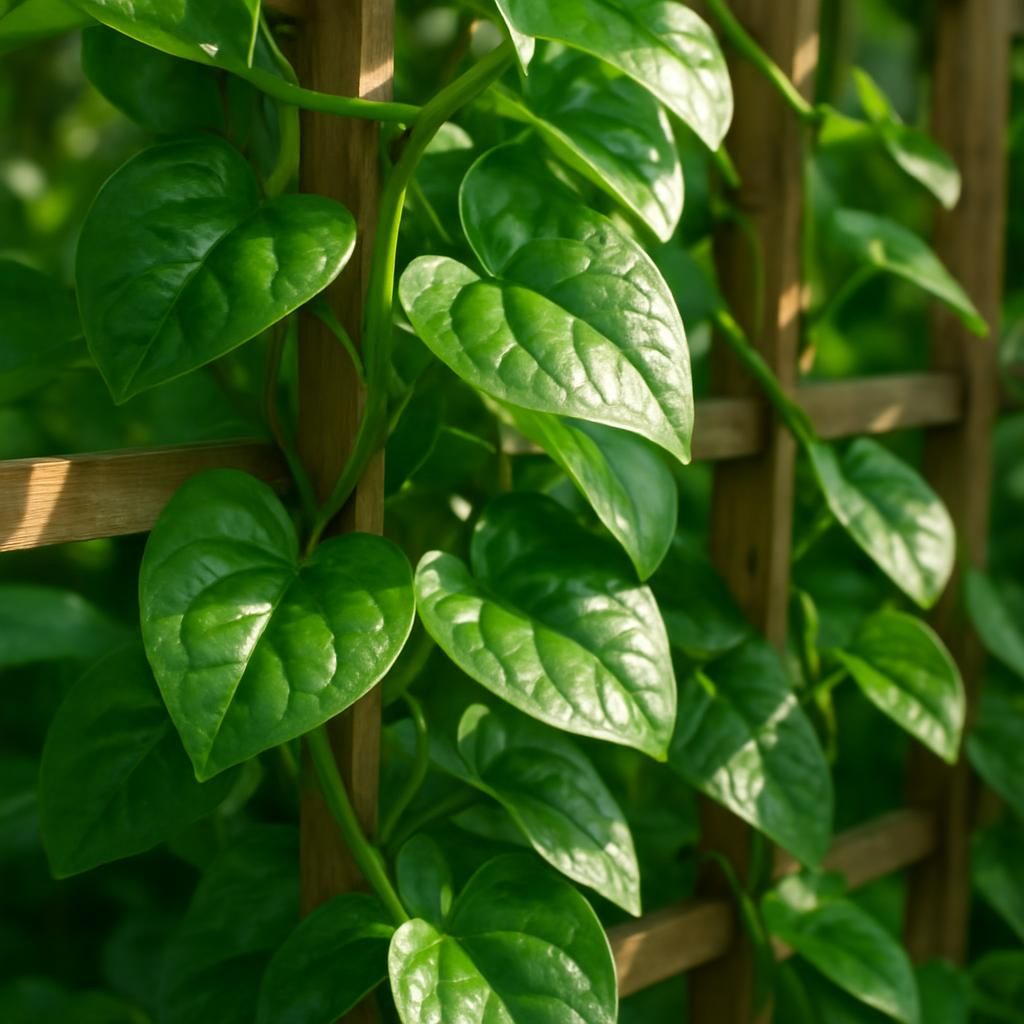
Introduction to malabar spinach
Malabar spinach (Basella alba) is a fast-growing, heat-tolerant leafy green that produces abundant harvests in tropical and subtropical regions where traditional spinach struggles. Unlike true spinach (Spinacia oleracea), this vigorous vine thrives in temperatures above 80°F (27°C) and continues producing throughout the hottest months. Gardeners value it for its succulent, mild-flavored leaves that can be harvested repeatedly over many months.
The plant climbs vigorously via twining stems that can reach 10–15 feet (3–4.5 m) in a single season when supported. Its deep green, heart-shaped or ovate leaves have a crisp texture and slightly mucilaginous quality when cooked, making them ideal for stir-fries, soups, and curries. Red-stemmed cultivars also produce attractive magenta stems and veins that add ornamental value to edible landscapes.
Because it tolerates poor soils and irregular watering better than many leafy greens, Malabar spinach has become a staple crop for smallholder farmers and home gardeners in warm climates worldwide. Its ability to produce year-round in frost-free areas makes it an economically valuable crop for continuous leaf production.
Botanical Profile of malabar spinach
Malabar spinach belongs to the Basellaceae family and is botanically unrelated to true spinach despite its common name. The species Basella alba is the most commonly cultivated form, while Basella rubra features distinctive red stems and leaf veins. Both are succulent perennial vines native to tropical Asia and Africa.
The plant produces alternate, fleshy leaves that are typically 3–5 inches (7–12 cm) long with a glossy surface. Small, inconspicuous white or pinkish flowers appear in axillary spikes during warm weather, followed by dark purple berries containing small black seeds. The mucilaginous sap found in stems and leaves is characteristic of the Basellaceae family.
Growth habit is indeterminate and vining, requiring vertical support for maximum productivity. Under optimal conditions, individual plants can produce 4–8 pounds (1.8–3.6 kg) of harvestable leaves per season when regularly pruned and harvested.
Soil, pH, and Climate Requirements for malabar spinach
Malabar spinach performs best in well-drained, fertile soils with consistent moisture. It tolerates a wide range of soil types but produces the highest yields in loamy or sandy loam soils amended with organic matter. Heavy clay soils should be improved with compost or raised beds to prevent waterlogging.
| Parameter | Ideal Range | Notes |
|---|---|---|
| Soil Type | Loamy to sandy loam | Well-drained; avoid heavy clay |
| Soil pH | 6.0–7.5 | Slightly acidic to neutral |
| Temperature (Day) | 75–95°F (24–35°C) | Optimal growth above 80°F (27°C) |
| Temperature (Night) | 65–75°F (18–24°C) | Sensitive to frost |
| USDA Hardiness Zones | 9–11 (or annual in cooler zones) | Grown as annual outside tropical regions |
| Sunlight | Full sun to partial shade | Minimum 6 hours direct sun |
| Spacing | 12–18 inches (30–45 cm) between plants | Rows 3–4 feet (90–120 cm) apart |
The crop is highly sensitive to frost and performs poorly below 60°F (15°C). In temperate regions it is typically grown as a warm-season annual planted after all danger of frost has passed.
Step-by-Step Planting & Propagation
Malabar spinach is most commonly started from seed, though stem cuttings root readily and produce faster-maturing plants. Seeds should be sown directly in the garden or started indoors 4–6 weeks before the last frost date in cooler climates.
- Prepare planting beds by incorporating 2–3 inches (5–7 cm) of well-rotted compost or aged manure. Ensure soil pH is between 6.0 and 7.5.
- Sow seeds ½ inch (1.3 cm) deep and 2–3 inches (5–7 cm) apart in rows spaced 3–4 feet (90–120 cm) apart.
- Keep seedbed consistently moist until germination occurs in 7–14 days at soil temperatures above 70°F (21°C).
- Thin seedlings to 12–18 inches (30–45 cm) apart once they develop 2–3 true leaves.
- Install vertical supports such as trellises, strings, or poles at planting time to accommodate the vining habit.
- For faster establishment, take 6–8 inch (15–20 cm) stem cuttings from healthy plants, remove lower leaves, and root in water or moist potting mix before transplanting.
Transplant seedlings or rooted cuttings outdoors only after nighttime temperatures remain above 60°F (15°C). Harden off indoor-started plants for 7–10 days prior to transplanting.
Care & Maintenance regimes for malabar spinach
Consistent care throughout the growing season ensures continuous leaf production and prevents the plant from becoming overly woody. Regular harvesting actually stimulates new growth and maintains plant vigor.
| Task | Frequency | Details |
|---|---|---|
| Watering | 1–2 times weekly | Provide 1–1.5 inches (2.5–3.8 cm) of water; maintain even soil moisture |
| Fertilizer | Every 3–4 weeks | Apply balanced organic fertilizer (e.g., 5-5-5) or compost tea |
| Pruning/Harvesting | Every 7–10 days | Pinch growing tips and harvest young leaves to encourage branching |
| Mulching | At planting and as needed | Apply 2–3 inches (5–7 cm) organic mulch to conserve moisture |
| Support Training | Weekly | Tie or weave vines to trellis to maximize light exposure |
Avoid over-fertilization with high-nitrogen formulas, which can produce excessive foliage at the expense of flavor. Side-dress with compost midway through the season for sustained production.
Pests, Diseases & Organic Management
Malabar spinach is relatively resistant to many common garden pests but can be affected by aphids, spider mites, and leaf miners under stress conditions. Regular inspection of leaf undersides helps detect infestations early.
Organic management begins with cultural practices: adequate spacing for airflow, consistent watering to reduce plant stress, and removal of infested leaves. Beneficial insects such as lady beetles and lacewings provide natural aphid control. For severe infestations, insecticidal soap or neem oil applied in the evening offers effective control without harming beneficials.
Diseases are uncommon but may include powdery mildew in humid conditions with poor air circulation. Improve spacing, avoid overhead watering, and remove affected foliage promptly. Root rot can occur in waterlogged soils; ensure excellent drainage and raised beds where necessary.
Harvesting, Curing & Optimal Storage
Begin harvesting when plants reach 12–18 inches (30–45 cm) in height, typically 50–70 days after sowing. Regular harvesting of young leaves and tender stem tips encourages continuous production throughout the season.
Harvest in the morning when leaves are crisp and turgid. Cut stems just above a leaf node to promote branching. Individual leaves or bunches of 4–6 leaves can be harvested every 7–10 days.
Fresh leaves store best in perforated plastic bags in the refrigerator crisper drawer for up to 5–7 days. For longer preservation, blanch leaves for 2 minutes, cool in ice water, drain thoroughly, and freeze in airtight containers. Dried leaves can be used as a thickener in soups and stews.
Companion Planting for malabar spinach
Malabar spinach pairs well with other heat-loving crops that share similar growing requirements. Tomato and okra provide vertical structure while benefiting from the shade created by the dense vine canopy.
Planting near basil or marigold helps deter aphids and other soft-bodied insects through natural repellent properties. Avoid planting near cool-season crops such as lettuce or kale that prefer different temperature regimes.
The vigorous growth of Malabar spinach makes it an excellent living mulch and ground cover beneath taller crops like eggplant or bell pepper, provided adequate spacing prevents competition for light and nutrients.