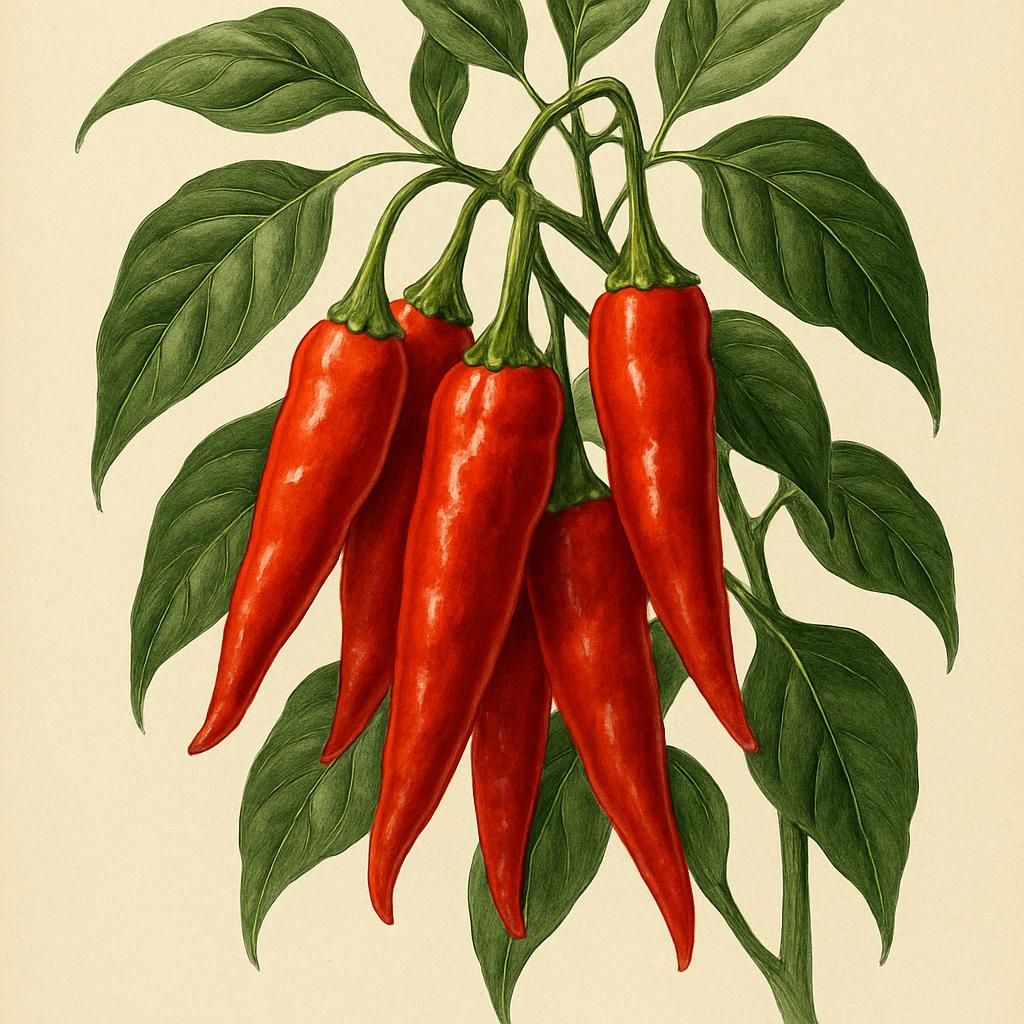
Introduction to Joe E. Parker Chili
The Joe E. Parker Chili is named after horticulturist Joe E. Parker, who developed this cultivar to provide a milder pepper with robust flavor suitable for a variety of culinary uses. Primarily used in Southwestern and Mexican cuisine, this chili is perfect for roasting, stuffing, and adding a mild kick to dishes.
Botanical Profile of Joe E. Parker Chili
Belonging to the species Capsicum annuum, Joe E. Parker Chilies are related to other popular peppers such as Bell Pepper, Jalapeño Pepper, and Ghost Pepper. These chilies are characterized by their elongated shape and vibrant green color, which turns red as they mature. They range from 4,000 to 6,000 Scoville Heat Units, offering a balanced heat level.
Soil, pH, and Climate Requirements for Joe E. Parker Chili
To optimize growth, Joe E. Parker Chili plants require specific soil and climate conditions:
| Attribute | Ideal Conditions |
|---|---|
| Soil Type | Well-drained loamy soil |
| Soil pH | 6.0 to 7.5 |
| Temperature Range | 70°F to 85°F (21°C to 29°C) |
| Light Exposure | Full sun |
| Humidity | Moderate |
Step-by-Step Planting & Propagation
- Seed Preparation: Purchase quality Joe E. Parker Chili seeds from a reputable supplier. Soak seeds in water for 24 hours to encourage germination.
- Starting Indoors: Begin seeds indoors about 8-10 weeks before the last frost date. Plant seeds 1/4 inch deep in seed-starting soil.
- Germination: Maintain a temperature of 80°F for optimal germination, which typically occurs in 14-21 days.
- Transplanting: Once seedlings have at least two sets of true leaves and outdoor temperatures are consistently above 60°F, transplant them outdoors, spacing plants 18-24 inches apart.
Care & Maintenance Regimes for Joe E. Parker Chili
Consistent care ensures healthy plants and a bountiful harvest. Follow this maintenance schedule:
| Task | Schedule |
|---|---|
| Watering | 1-2 inches per week |
| Fertilizing | Every 4 weeks with balanced NPK fertilizers |
| Pruning | Remove bottom leaves & any sickly branches monthly |
Pests, Diseases & Organic Management
Joe E. Parker Chili plants can be susceptible to pests like Spider Mites and aphids. Use neem oil or insecticidal soap as organic remedies. Diseases such as Phytophthora and Chili Leaf Curl Disease are common; ensuring proper drainage and avoiding overhead watering can mitigate these risks. For comprehensive organic pest management, refer to 7 Summer Pest Traps That Sabotage Small Farm Harvests.
Harvesting, Curing & Optimal Storage
Chilies are ready for harvest when they achieve full size and vibrant green color, or red for a ripened flavor. Use a clean, sharp tool to cut peppers from the plant. To dry chilies, string them up or use a dehydrator. Store dried peppers in an airtight container in a cool, dark place.
Companion Planting for Joe E. Parker Chili
Companion planting benefits Joe E. Parker Chilies by deterring pests and enhancing growth. Pair with Basil, which repels mites and improves flavor, or Corn, which provides a structural windbreak. For more on organic pairings, check Spring Companion Planting: 8 Organic Pairings to Maximize Small Farm Yields.