Introduction to Hillbilly Tomato
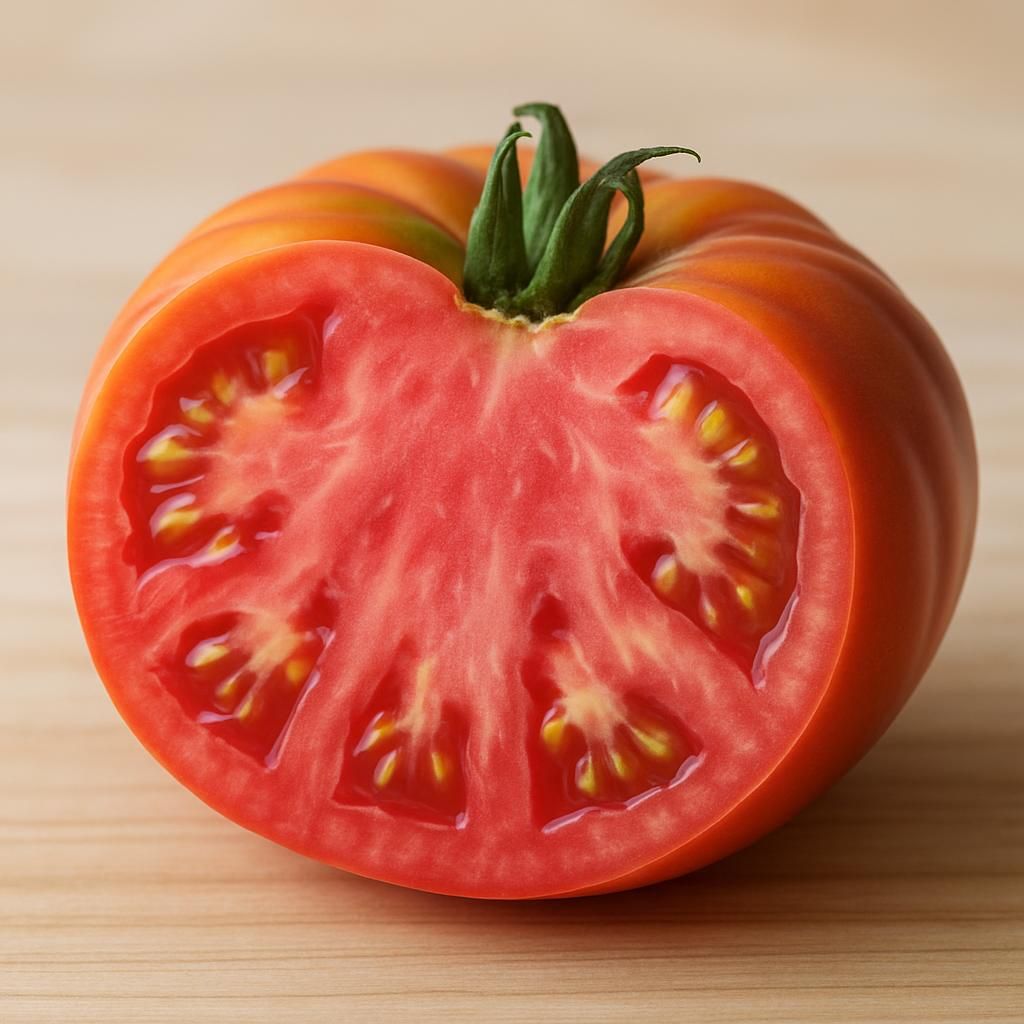
Hillbilly Tomato is an American heirloom beefsteak variety that originated in the Appalachian region. It is celebrated for its massive, irregularly shaped fruits that can exceed one kilogram and display a distinctive pink-and-red streaked interior. Gardeners and small-scale growers favor Hillbilly Tomato for its balanced sweet-tart flavor, high productivity, and striking presentation at markets. The variety is indeterminate, continuing to set fruit until frost, making it a staple for extended summer harvests.
Because it is an open-pollinated heirloom, seed saving is straightforward and preserves genetic diversity. Hillbilly Tomato performs well in both raised beds and in-ground plantings when provided with consistent moisture, fertile soil, and full sun. Its vigorous vines require sturdy support systems such as cages or trellises to keep fruit off the ground and reduce disease pressure.
Botanical Profile of Hillbilly Tomato
Hillbilly Tomato belongs to the Solanaceae family. Plants reach 1.8–2.4 m in height with a sprawling habit. Leaves are compound, dark green, and slightly rugose. Flowers are typical tomato blossoms—yellow, five-petaled, and self-pollinating. Fruits are large, oblate to slightly lobed, and weigh 450–900 g. The skin is thin and pink-red; the interior flesh is marbled with red streaks through pink tissue, giving the variety its signature appearance. Seeds are numerous and surrounded by gel-filled locules.
Soil, pH, and Climate Requirements for Hillbilly Tomato
Hillbilly Tomato thrives in well-drained, fertile loam enriched with organic matter. Soil should be prepared to a depth of 30 cm and amended with aged compost or well-rotted manure. The plant is sensitive to both waterlogging and drought stress, so raised beds or mounded rows improve drainage in heavy soils.
| Parameter | Ideal Range | Notes |
|---|---|---|
| Soil Type | Loamy, well-drained | Add 5–8 cm compost annually |
| Soil pH | 6.2–6.8 | Test and adjust with lime or sulfur |
| Temperature (Day) | 21–29 °C | Optimal fruit set occurs in this range |
| Temperature (Night) | 15–20 °C | Below 13 °C reduces pollination |
| Sunlight | 8+ hours full sun | Partial shade reduces yield |
| Spacing | 60–90 cm between plants; 1.2–1.5 m rows | Use sturdy cages or trellis systems |
| Frost Sensitivity | Tender; plant after last frost | Use row covers for late spring protection |
Step-by-Step Planting & Propagation
Start seeds indoors 6–8 weeks before the last expected frost. Sow 6 mm deep in sterile seed-starting mix at 24–27 °C. Maintain even moisture and provide 14–16 hours of supplemental light. Harden off seedlings for 7–10 days before transplanting. Set transplants outdoors once soil temperature reaches 18 °C and night temperatures remain above 13 °C. Plant deeply, burying two-thirds of the stem to encourage adventitious roots. Install cages or trellises at planting to avoid root disturbance later.
Care & Maintenance regimes for Hillbilly Tomato
Consistent irrigation and balanced nutrition are critical for large, crack-free fruit. Mulch with 7–10 cm of organic material to conserve moisture and suppress weeds. Prune suckers below the first flower cluster to improve airflow and direct energy into fruit production. Side-dress with compost tea or balanced organic fertilizer every 3–4 weeks after fruit set begins.
| Task | Frequency | Details |
|---|---|---|
| Watering | 2–3 times per week | Deep soak to 30 cm; maintain even moisture to prevent blossom end rot |
| Fertilizer | Every 3–4 weeks | Apply 5-5-5 organic blend or compost tea; reduce nitrogen after flowering |
| Pruning | Weekly | Remove suckers below first flower cluster; pinch growing tip at 1.8 m |
| Mulching | Once at planting | 7–10 cm straw or shredded leaves to retain moisture and moderate soil temperature |
| Support | At transplant | Install 1.8 m cages or Florida weave system |
Pests, Diseases & Organic Management
Common tomato pests include aphids, hornworms, and flea beetles. Monitor weekly and use hand-picking, Bacillus thuringiensis for caterpillars, and insecticidal soap for aphids. Major diseases are early blight, late blight, and Septoria leaf spot. Practice crop rotation, avoid overhead irrigation, and apply copper-based fungicides or compost tea preventively. Remove and destroy infected foliage promptly.
Harvesting, Curing & Optimal Storage
Harvest when fruits show full color and slight give at the blossom end. Pick in the morning for best flavor and shelf life. Allow fruits to ripen at 18–21 °C away from direct sun. Store ripe tomatoes at 13–15 °C for up to one week. For longer storage, process into sauces or can whole. Never refrigerate unripe tomatoes as chilling impairs flavor development.
Companion Planting for Hillbilly Tomato
Pair Hillbilly Tomato with basil, marigold, and nasturtium to deter pests and improve flavor. Avoid planting near fennel or walnut trees. Interplant with cucumber or pepper in succession plantings to maximize bed space and reduce disease buildup.