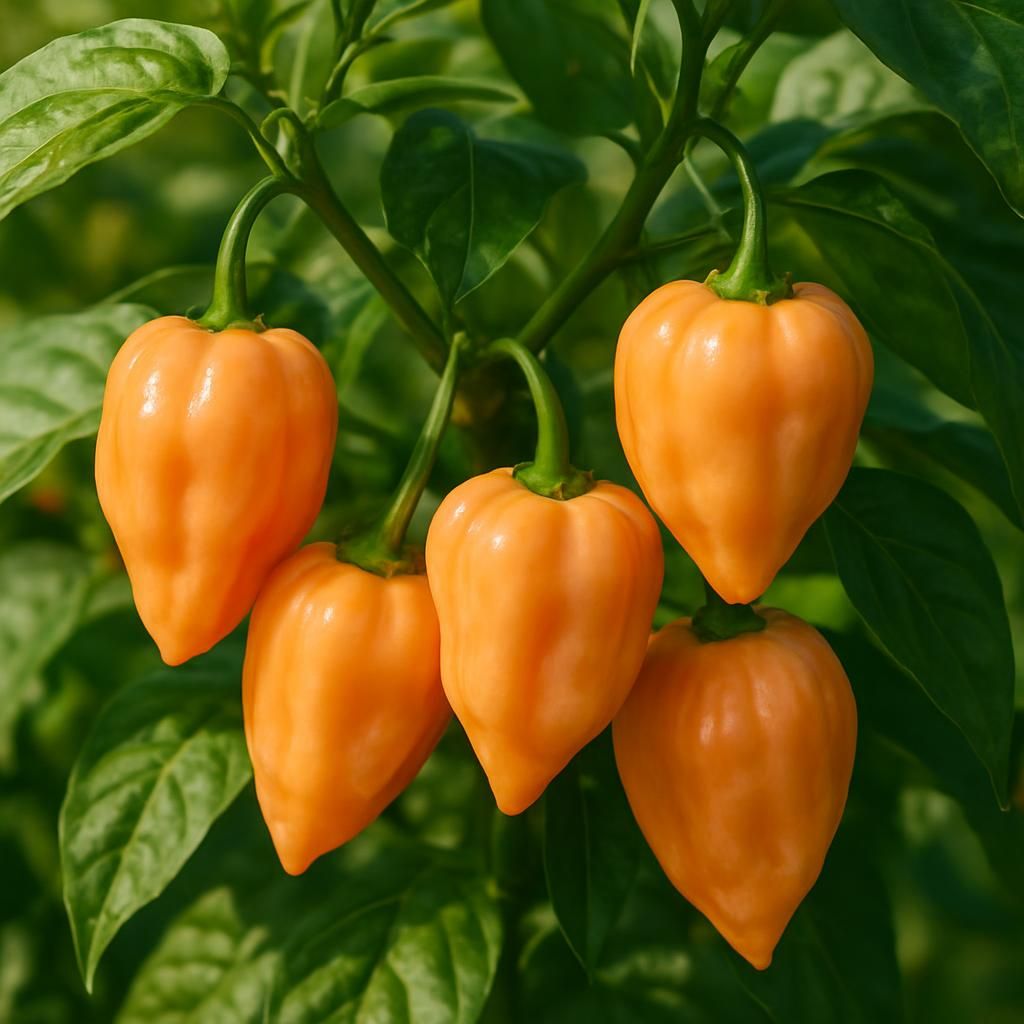
Introduction to Habanero Peach
Habanero Peach is a vibrant, peach-colored variety of the habanero pepper (Capsicum chinense) known for its fruity aroma, citrus notes, and scorching heat levels that typically range between 100,000–350,000 Scoville Heat Units. This cultivar combines the classic habanero punch with a milder, sweeter undertone that appeals to both fresh market consumers and processors. Its compact bushy habit, high productivity, and relatively short maturation period make it an excellent choice for small farms, market gardens, and home growers seeking a premium specialty pepper.
Beyond its culinary appeal, Habanero Peach contributes to biodiversity in pepper collections and supports value-added opportunities such as hot sauces, powders, and fermented products. With proper site selection, soil management, and integrated pest strategies, growers can achieve consistent, high-quality harvests season after season.
Botanical Profile of Habanero Peach
Habanero Peach belongs to the Solanaceae family and shares the species Capsicum chinense with other intensely hot peppers such as Ghost Pepper and Habanero Pepper. The plant exhibits a compact, multi-branched growth habit reaching 60–90 cm in height with dark green, ovate leaves and small white flowers. Fruits are lantern-shaped, 4–6 cm long, and mature from pale green to a striking peach-orange hue. The thick walls and high capsaicin content provide both structural integrity and intense pungency.
The variety is day-neutral and performs well under full sun exposure of at least 8 hours daily. Flowering typically begins 60–70 days after transplanting, with fruit ripening occurring 30–45 days later depending on temperature and fertility.
Soil, pH, and Climate Requirements for Habanero Peach
Habanero Peach demands warm temperatures and fertile, well-drained soil for optimal growth and fruit quality. The following table summarizes the ideal conditions:
| Parameter | Ideal Range | Notes |
|---|---|---|
| Soil Type | Sandy loam to loam | High organic matter improves water retention |
| Soil pH | 6.0 – 6.8 | Slightly acidic to neutral; avoid alkaline soils |
| Temperature (Day) | 24–32 °C (75–90 °F) | Critical for fruit set and capsaicin development |
| Temperature (Night) | 18–21 °C (65–70 °F) | Below 15 °C slows growth significantly |
| Frost Tolerance | None | Sensitive; protect below 10 °C |
| Sunlight | Full sun, 8+ hours daily | Essential for high yields |
| Spacing | 45–60 cm between plants; 75–90 cm rows | Allows airflow and reduces disease risk |
Select sites with good air circulation and protection from strong winds. Raised beds or black plastic mulch help maintain soil warmth and suppress weeds.
Step-by-Step Planting & Propagation
- Seed Starting: Begin seeds indoors 8–10 weeks before the last expected frost. Use sterile seed-starting mix and maintain soil temperature at 27–30 °C (80–85 °F) for rapid germination (7–14 days).
- Seedling Care: Provide 14–16 hours of supplemental light daily. Harden off seedlings for 7–10 days before transplanting.
- Transplanting: Set plants outdoors when soil temperatures reach at least 18 °C (65 °F) and night air temperatures remain above 15 °C (60 °F). Space plants 45–60 cm apart in rows 75–90 cm wide.
- Direct Sowing Option: In frost-free regions, direct sow after soil warms. Thin seedlings to final spacing once they reach 10 cm tall.
- Container Growing: Use 5-gallon or larger containers with drainage holes and high-quality potting mix amended with compost.
Care & Maintenance regimes for Habanero Peach
Consistent moisture, balanced nutrition, and strategic pruning promote vigorous plants and heavy fruit loads. The following table outlines recommended schedules:
| Growth Stage | Watering Schedule | Fertilizer Schedule | Pruning & Training Schedule |
|---|---|---|---|
| Seedling (0–4 wks) | Keep evenly moist; water daily if needed | Light fish emulsion or seaweed extract weekly | Pinch growing tip at 4–6 true leaves to encourage branching |
| Vegetative (4–8 wks) | 2–3 cm water/week; deep infrequent watering | Balanced NPK (10-10-10) every 2 weeks; switch to high-P at flowering | Remove lower leaves touching soil; stake if needed |
| Flowering & Fruit Set | Maintain consistent moisture; avoid overhead watering | High-phosphorus fertilizer every 10–14 days | Prune suckers and non-fruiting branches to improve airflow |
| Fruit Ripening | Reduce slightly to concentrate flavors | Side-dress with compost or potassium-rich organic fertilizer | Remove damaged or diseased fruit promptly |
Mulch with 5–7 cm of organic material to conserve moisture and moderate soil temperature. Monitor leaf color and growth rate to adjust fertility as needed.
Pests, Diseases & Organic Management
Common challenges include Aphids, Spider Mites, Thrips, and fungal issues such as Powdery Mildew and Phytophthora. Implement an integrated approach:
- Scout weekly for early detection of pests.
- Encourage beneficial insects with flowering companions and insectary strips.
- Apply insecticidal soap or neem oil at the first sign of infestation.
- Practice crop rotation and avoid planting peppers in the same location for at least three years.
- Use drip irrigation and maintain proper plant spacing to reduce humidity-related diseases.
- Remove and destroy infected plant material immediately.
Harvesting, Curing & Optimal Storage
Harvest Habanero Peach when fruits reach full peach-orange color and firm texture, typically 90–110 days after transplanting. Use clean pruners to cut stems, leaving a short peduncle attached. For fresh market sales, cool fruits rapidly to 7–10 °C (45–50 °F) with 85–90% relative humidity. For drying, spread fruits in a single layer in a well-ventilated area or use a dehydrator at 50 °C (120 °F) until brittle. Store dried peppers in airtight containers away from light and moisture for up to 12 months.
Companion Planting for Habanero Peach
Strategic pairings enhance pollination, deter pests, and improve soil health. Recommended companions include Thai Basil, Marigold, and Nasturtium. These aromatic herbs and flowers repel aphids and whiteflies while attracting beneficial insects. Avoid planting near Fennel or other members of the Apiaceae family that may inhibit pepper growth. Interplanting with Cherry Tomato can provide light shade during extreme heat while maximizing garden space.