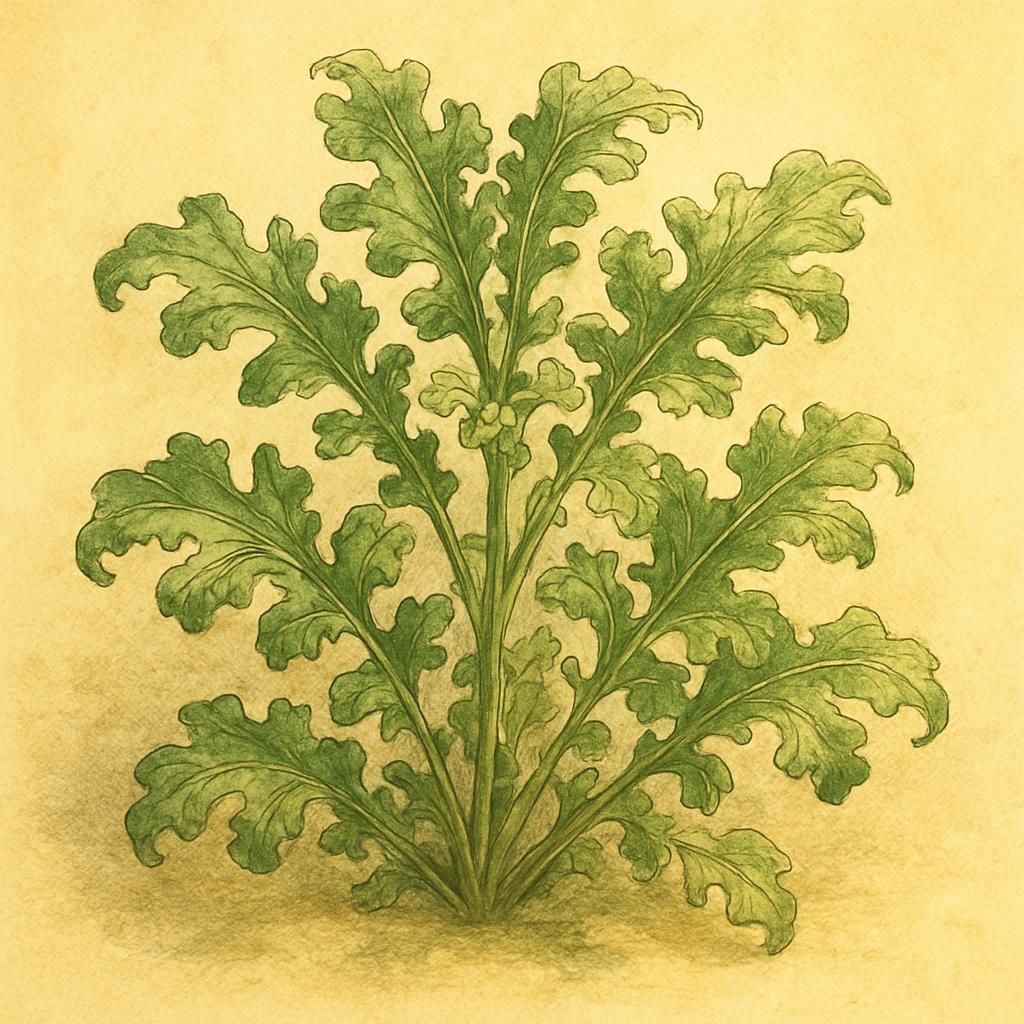
Introduction to Garden Cress (Curly)
Curly garden cress is a fast-growing herb belonging to the Brassicaceae family. Renowned for its curly leaves and distinctive peppery flavor, it is often used to add zip to salads, sandwiches, and soups. This easy-to-grow plant is very popular among home gardeners and commercial producers alike, due to its short growth cycle and minimal care requirements.
Botanical Profile of Garden Cress (Curly)
Scientifically known as Lepidium sativum var. crispum, this plant is a variety of the common garden cress distinguished by its curled leaves. It's an annual plant which allows for quick succession planting. As a member of the Brassicaceae family, it is related to other commonly cultivated crops like cabbage, mustard greens, and radishes.
Soil, pH, and Climate Requirements for Garden Cress (Curly)
Garden cress is adaptable to various growing conditions, making it a viable option for many climates. Ideally, it should be grown in well-drained soil rich in organic matter.
| Factor | Optimal Condition |
|---|---|
| Soil Type | Well-drained, loamy |
| pH Level | 6.0 - 7.0 |
| Temperature | 10-25°C (50-77°F) |
| Light | Full sun to partial shade |
Step-by-Step Planting & Propagation
- Seed Selection - Choose high-quality curly garden cress seeds from a reputable source.
- Preparation - Prepare your soil or pots by mixing in ample compost to ensure nutrients.
- Sowing - Direct-sow seeds ¼ inch deep and space them about 6 inches apart for outdoor planting. For indoor growing, sprinkle seeds over the potting mixture and lightly cover with soil.
- Watering - Keep the soil consistently moist but not waterlogged.
- Germination - Under optimal conditions, seeds will germinate within 7-10 days.
Care & Maintenance Regimes for Garden Cress (Curly)
Though garden cress is relatively low-maintenance, following a regular care schedule ensures healthy growth and yield.
| Care Routine | Frequency | Notes |
|---|---|---|
| Watering | Daily (light watering) | Avoid waterlogging as it can cause root rot. |
| Fertilizer | Every 3 weeks | Use a balanced, water-soluble fertilizer. |
| Pruning | As needed | Snip leaves to encourage new growth. |
Pests, Diseases & Organic Management
Garden cress is generally pest-resistant but can occasionally be affected by aphids, spider mites, and fungal leaf spots. Employ integrated pest management practices such as:
- Encouraging beneficial insects like ladybugs for aphid control.
- Using neem oil or insecticidal soap on affected plants.
- Ensuring good air circulation to prevent fungal diseases.
Harvesting, Curing & Optimal Storage
Garden cress is typically ready to harvest 15-20 days after planting. For the best flavor, harvest the leaves while they're young by snipping them off at the stem, allowing the plant to regrow. For storage:
- Wrap in a damp paper towel and store it in a sealed bag in the refrigerator.
- Use within a week for maximum freshness and flavor.
Companion Planting for Garden Cress (Curly)
Garden cress pairs well with a variety of plants, enhancing both their growth and yours in the garden:
For more strategies on how to enhance your garden, you might find our blog post on Summer Companion Planting: 10 Organic Pairings to Boost Small Farm Resilience helpful.
Always consider blending cress with other crops for flavor enhancement and pest control, harnessing the full power of nature's synergy.