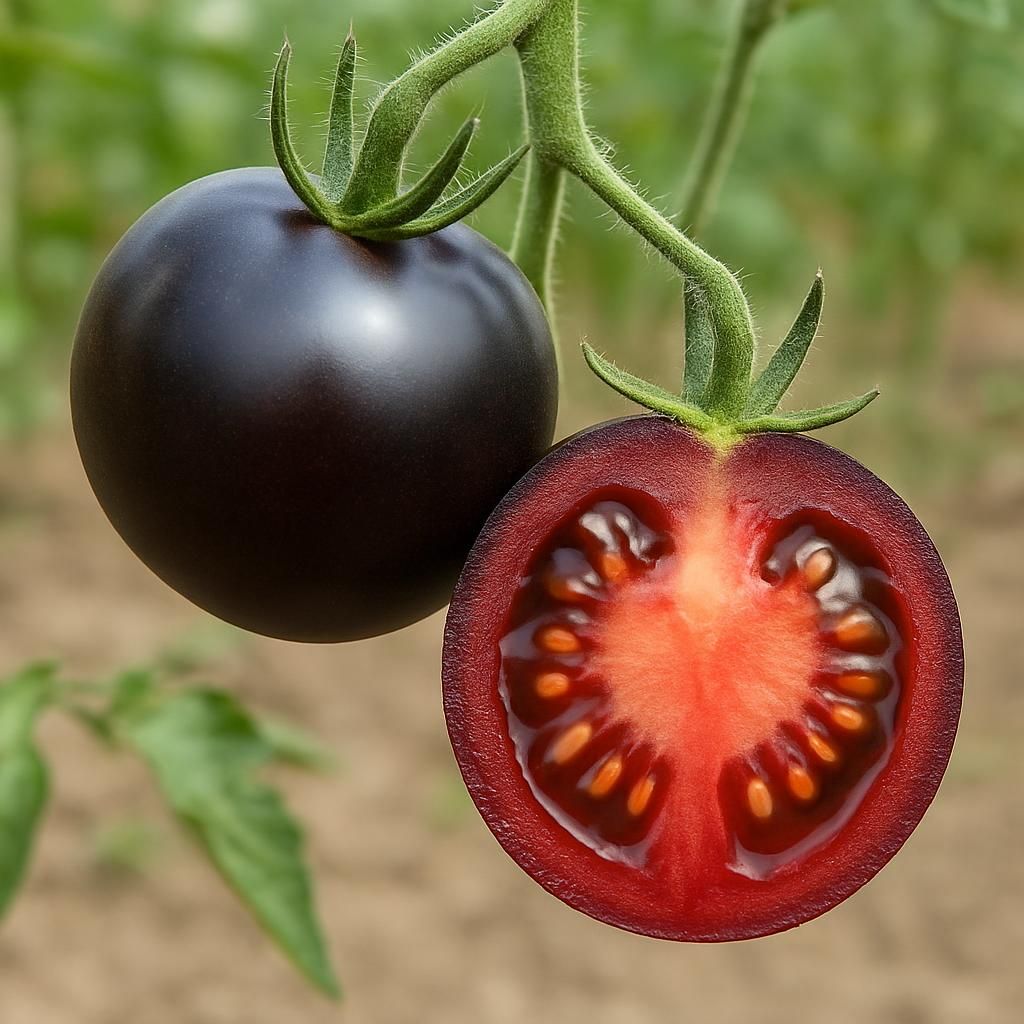
Introduction to Carbon Tomato
The Carbon Tomato is a distinctive heirloom beefsteak cultivar renowned for its deep charcoal-purple skin, rich smoky-sweet flavor, and elevated anthocyanin levels. Originating from selective breeding programs focused on color and flavor intensity, it offers commercial and home growers a premium market tomato with exceptional culinary versatility. Professional growers value Carbon Tomato for its balance of disease resistance, consistent fruit size, and strong market demand in specialty produce channels.
Growing Carbon Tomato requires attention to soil fertility, consistent moisture, and integrated pest management to achieve the deep coloration and concentrated flavor that define the variety. This comprehensive guide provides actionable, research-backed protocols suitable for small farms and commercial operations alike.
Botanical Profile of Carbon Tomato
Carbon Tomato belongs to the Solanaceae family and exhibits indeterminate growth with vigorous vines capable of reaching 6–8 feet under optimal conditions. The plants produce large, slightly flattened fruits weighing 8–14 ounces with a distinctive dark purple-black exterior that intensifies with sun exposure. Internally, the flesh displays a rich burgundy hue and contains fewer seeds than many commercial beefsteak types.
The variety demonstrates moderate resistance to common fungal pathogens and maintains strong fruit set in temperatures between 70–85°F. Its anthocyanin-rich skin provides natural protection against sunscald while contributing to the tomato’s unique flavor profile of smoky sweetness with subtle earthy notes.
Soil, pH, and Climate Requirements for Carbon Tomato
Carbon Tomato performs best in well-drained, fertile loam soils enriched with organic matter. The variety requires full sun exposure of at least 8 hours daily and thrives in USDA zones 4–11 when started indoors or protected during early season.
| Parameter | Ideal Range | Notes |
|---|---|---|
| Soil Type | Loamy, well-drained | Incorporate 2–3 inches compost pre-plant |
| Soil pH | 6.2–6.8 | Test and amend with lime or sulfur |
| Temperature (Day) | 70–85°F (21–29°C) | Protect below 55°F or above 90°F |
| Temperature (Night) | 60–70°F (15–21°C) | Use row covers for cold nights |
| Spacing | 24–36 inches between plants | Rows 4–5 feet apart |
| Sun Exposure | Full sun (8+ hours) | South-facing orientation preferred |
Step-by-Step Planting & Propagation
Start Carbon Tomato seeds indoors 6–8 weeks before the last expected frost. Sow seeds ¼ inch deep in sterile seed-starting mix and maintain soil temperature at 75–80°F for rapid germination within 7–10 days. Provide 14–16 hours of supplemental light daily to prevent leggy growth.
Harden off seedlings for 7–10 days prior to transplanting. Set plants outdoors once soil temperature reaches 60°F and all danger of frost has passed. Transplant at the same depth as the container or slightly deeper to encourage adventitious root development. Install sturdy cages or trellises at planting to support the vigorous indeterminate vines.
Care & Maintenance regimes for Carbon Tomato
Consistent irrigation, balanced nutrition, and strategic pruning are essential for maximizing fruit quality and yield in Carbon Tomato. Drip irrigation systems delivering 1–1.5 inches of water per week prevent blossom end rot and maintain uniform soil moisture.
| Task | Frequency | Details |
|---|---|---|
| Watering | 2–3 times weekly (drip) | Maintain even moisture; mulch to conserve water |
| Fertilizer | Every 3–4 weeks after flowering | Balanced 5-5-5 or fish emulsion; side-dress with compost |
| Pruning | Weekly starting at 12 inches tall | Remove suckers below first flower cluster; stake or cage |
Mulch with 3–4 inches of organic material to suppress weeds and regulate soil temperature. Monitor leaf color and adjust nitrogen applications to avoid excessive vegetative growth at the expense of fruit production.
Pests, Diseases & Organic Management
Carbon Tomato is susceptible to Aphids, Spider Mites, Hornworms, and fungal diseases including Early Blight and Septoria Leaf Spot. Implement weekly scouting and introduce beneficial insects such as lady beetles and lacewings for biological control.
Apply neem oil or insecticidal soap at the first sign of infestation. Rotate crops every 3–4 years and remove crop debris to reduce overwintering pathogen populations. Copper-based fungicides provide organic protection during humid periods when disease pressure increases.
Harvesting, Curing & Optimal Storage
Harvest Carbon Tomato fruits when they reach full color with slight softening at the blossom end. Pick in the cool morning hours to preserve shelf life and flavor compounds. For peak quality, allow fruits to ripen on the vine when possible.
Store ripe tomatoes at 55–70°F away from direct sunlight. Avoid refrigeration below 50°F as it diminishes flavor and texture. Green fruits can be ripened indoors in a paper bag with an ethylene-producing fruit such as a banana.
Companion Planting for Carbon Tomato
Strategic companion planting enhances Carbon Tomato resilience and flavor. Basil and Thai Basil planted nearby improve flavor and repel pests. Marigolds and Nasturtium deter nematodes and aphids while attracting pollinators.
Avoid planting near Corn, fennel, and members of the cabbage family which compete for nutrients or attract shared pests. Rotate tomatoes with legumes such as Peas or Beans to improve soil nitrogen and break disease cycles.
Link to relevant wiki page: Tomato
Link to relevant blog post: The Overlooked Art of Seasonal Harvest Timing for Small Farm Profit