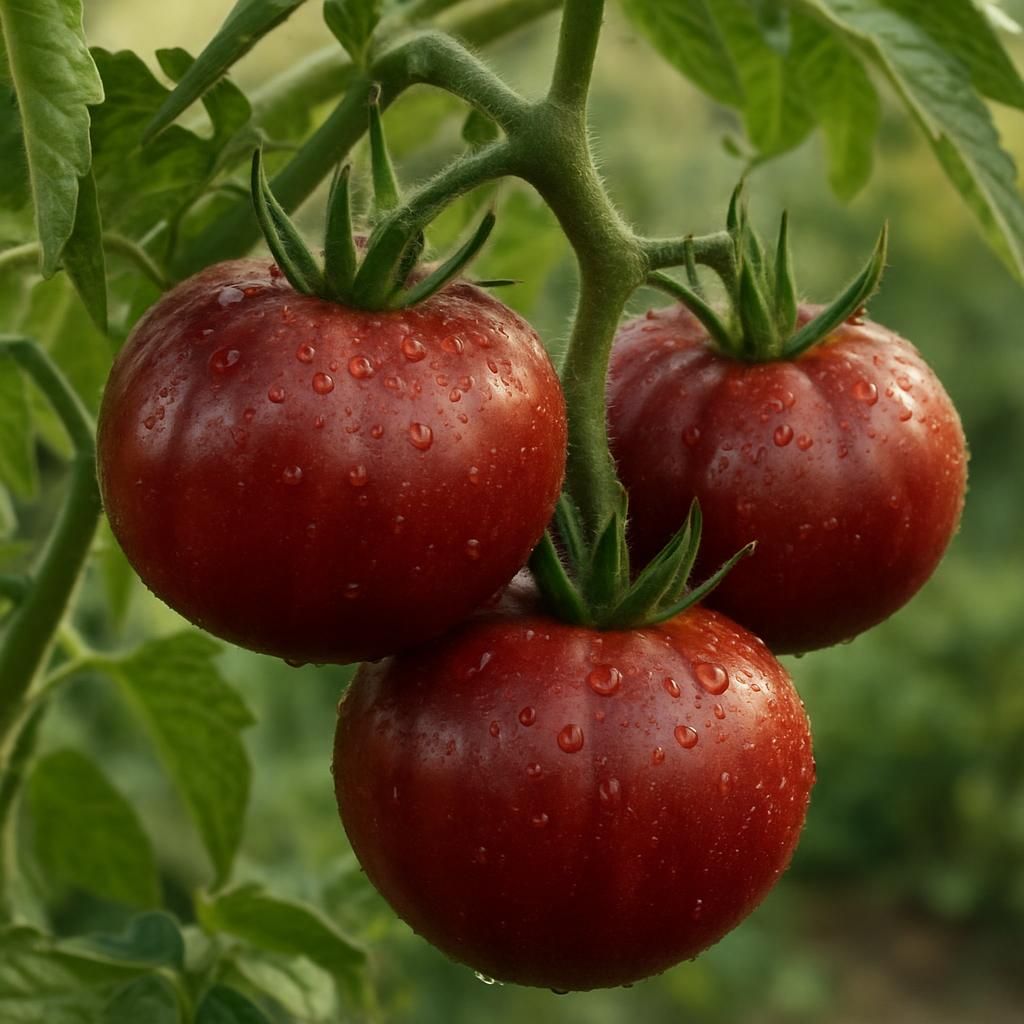
Introduction to Bloody Butcher Tomato
Bloody Butcher Tomato is a vigorous indeterminate heirloom that delivers early, flavorful fruit in a striking blood-red hue. Gardeners value it for its reliability, disease tolerance, and intense tomato taste that shines in fresh salads, sauces, and canning. Its compact yet productive vines make it suitable for both small home plots and larger market gardens.
Botanical Profile of Bloody Butcher Tomato
This variety belongs to the nightshade family and exhibits classic indeterminate growth, continuing to set fruit until frost. Plants reach 5–7 feet with regular pruning and sturdy staking. Fruits average 4–8 ounces, featuring a meaty texture, few seeds, and a balanced sweet-tart profile. Foliage is dark green and slightly rugose, providing good cover against sunscald.
Soil, pH, and Climate Requirements for Bloody Butcher Tomato
Bloody Butcher performs best in fertile, well-drained loam amended with generous organic matter. Consistent moisture without waterlogging prevents Blossom End Rot and promotes steady growth.
| Parameter | Ideal Range/Value | Notes |
|---|---|---|
| Soil Type | Loamy, well-drained | Add compost or aged manure for structure |
| Soil pH | 6.2–6.8 | Test annually; lime if below 6.0 |
| Temperature Range | 65–85°F (18–29°C) daytime | Protect below 50°F; mulch to stabilize |
| Spacing | 24–36 inches between plants | Rows 4–5 feet apart for airflow |
| Sun Exposure | Full sun (minimum 8 hours) | Morning sun reduces foliar disease risk |
Step-by-Step Planting & Propagation
Start seeds indoors 6–8 weeks before the last frost date. Sow ¼ inch deep in sterile seed-starting mix and maintain 75–80°F soil temperature. Transplant hardened seedlings outdoors once soil reaches 60°F and all danger of frost has passed. Install cages or stakes at planting to avoid root disturbance later. Water thoroughly after transplanting and apply a 2-inch layer of organic mulch.
Care & Maintenance regimes for Bloody Butcher Tomato
Consistent cultural practices maximize yield and fruit quality. Use the following schedule to stay ahead of nutrient needs and canopy management.
| Task | Frequency | Details |
|---|---|---|
| Watering | 1–1.5 inches per week | Deep, infrequent irrigation; morning preferred |
| Fertilizer | Every 3–4 weeks after first fruit set | Side-dress with balanced organic 5-5-5 or fish emulsion |
| Pruning | Weekly once plants reach 24 inches | Remove suckers below first flower cluster; maintain 1–2 main stems |
Pests, Diseases & Organic Management
Monitor regularly for common tomato issues. Handpick Hornworms and use floating row covers early in the season. Apply neem oil or insecticidal soap for Aphids and Whiteflies. Rotate crops yearly and remove infected debris to limit Early Blight and Septoria Leaf Spot. Copper-based sprays offer organic protection against bacterial diseases.
Harvesting, Curing & Optimal Storage
Pick fruits at full color for peak flavor; slightly under-ripe tomatoes will ripen indoors. Store at 55–70°F away from direct sun. For longer storage, process into sauce or freeze whole. See The Overlooked Art of Seasonal Harvest Timing for Small Farm Profit for advanced post-harvest strategies.
Companion Planting for Bloody Butcher Tomato
Pair Bloody Butcher with Basil, Marigold, and Nasturtium to deter pests and improve flavor. Avoid planting near Fennel or Walnut trees, whose allelopathic compounds can stunt tomato growth. Interplant with Carrot or Lettuce for efficient space use and extended harvests.