Encyclopedia
Definitive guides for crops, pests, and agricultural diseases.

Wilt or rot complexes
Wilt or rot complexes are devastating plant disease syndromes caused by interactions between soilborne fungi, oomycetes, bacteria, and nematodes, leading to rapid wilting, root decay, and plant collapse. These complexes often mimic single diseases but involve multiple pathogens thriving under wet, poorly drained conditions. Effective management requires integrated cultural, biological, and preventive strategies to break the disease cycle.
View Profile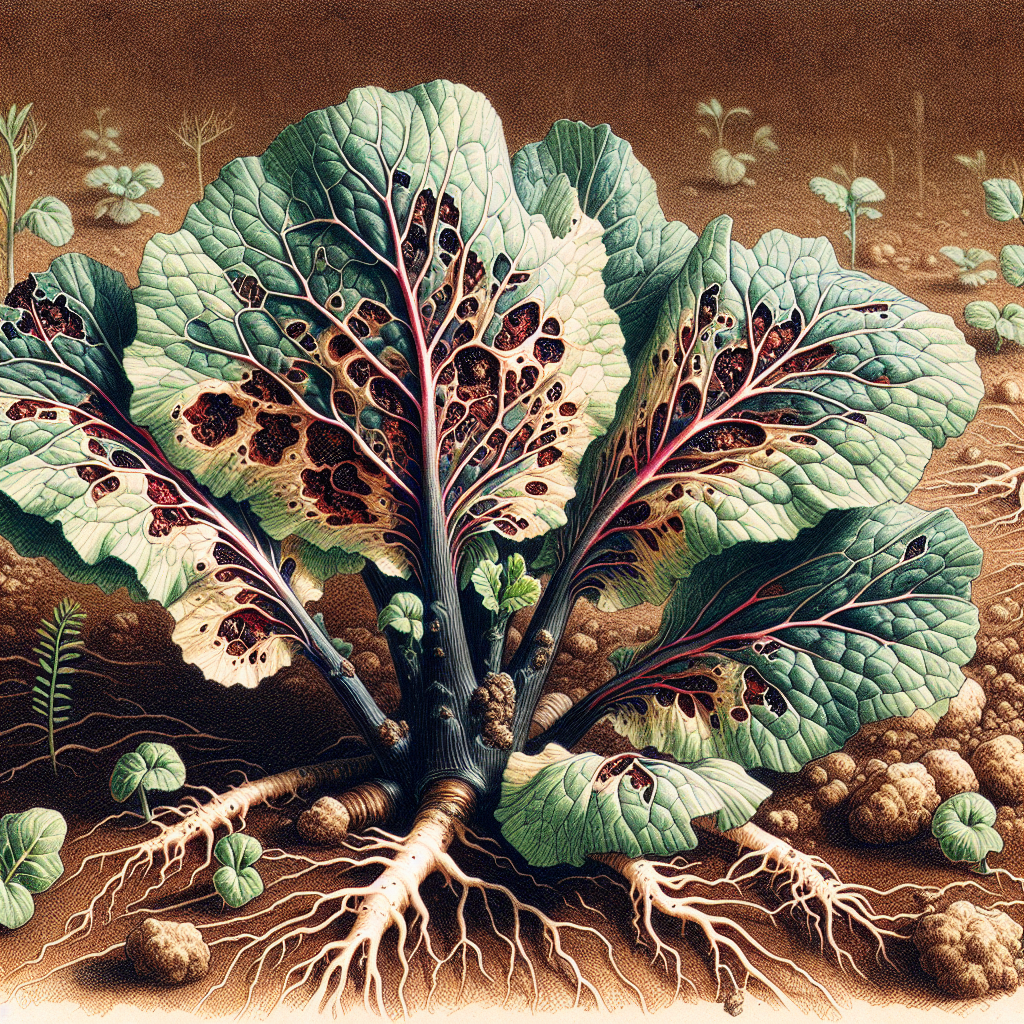
wirestem
Wirestem is a devastating seedling disease caused by the soilborne fungus Rhizoctonia solani, primarily affecting brassica crops like cabbage, broccoli, and cauliflower. It causes thin, wire-like stems at the soil line, leading to seedling collapse and significant stand losses. Effective management relies on cultural practices, sanitation, and resistant varieties.
View Profile
Witches’ broom
Witches’ broom is a devastating fungal disease primarily affecting cacao trees, characterized by abnormal broom-like clusters of shoots and reduced yields. Caused by the basidiomycete Moniliophthora perniciosa, it spreads via spores and wind, thriving in humid tropical environments. Effective management relies on sanitation, resistant varieties, and organic cultural practices to minimize economic losses in cacao plantations.
View Profile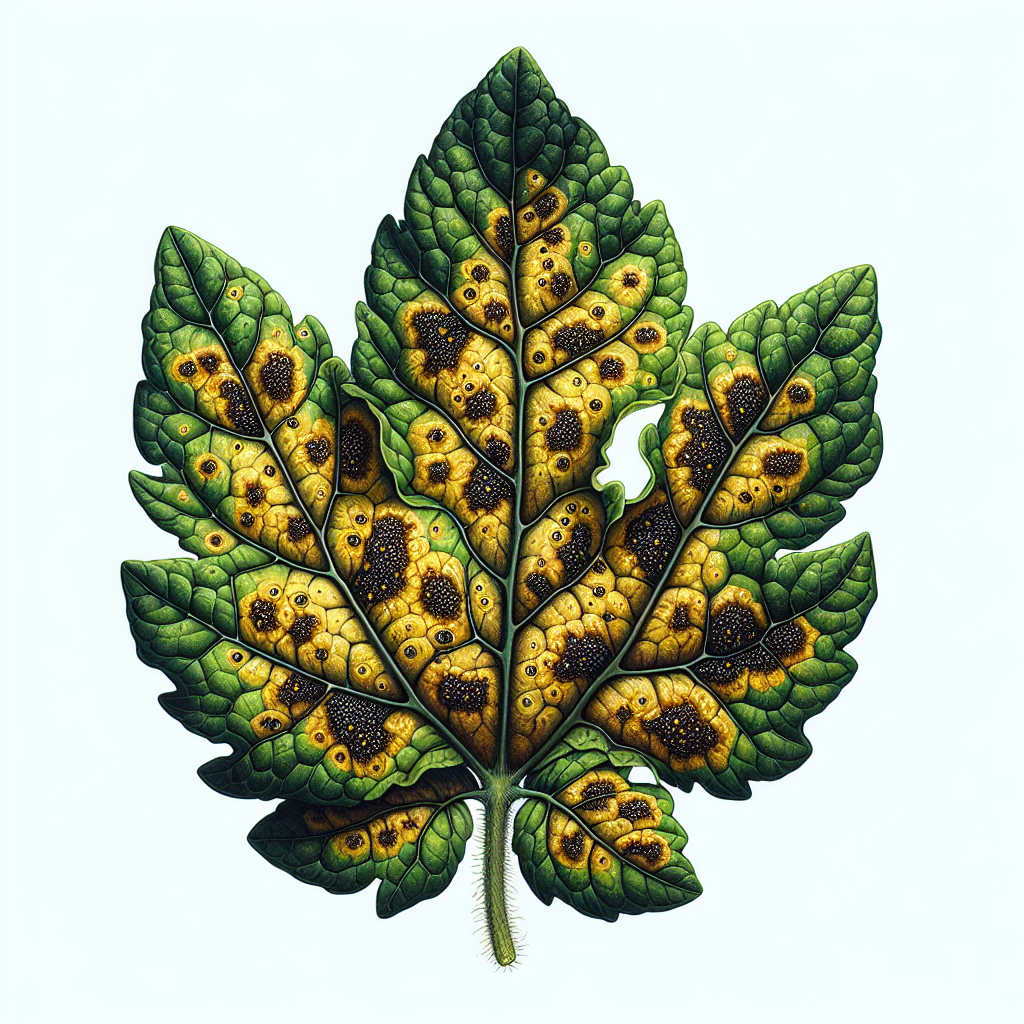
Xanthomonas blight
Xanthomonas blight is a devastating bacterial disease affecting numerous crops, characterized by water-soaked lesions, leaf blight, and twig dieback that can lead to significant yield losses. Caused by various Xanthomonas pathovars, it thrives in warm, humid conditions and spreads rapidly via rain splash and overhead irrigation. Effective management relies on cultural practices, resistant varieties, and prompt sanitation to prevent outbreaks.
View Profile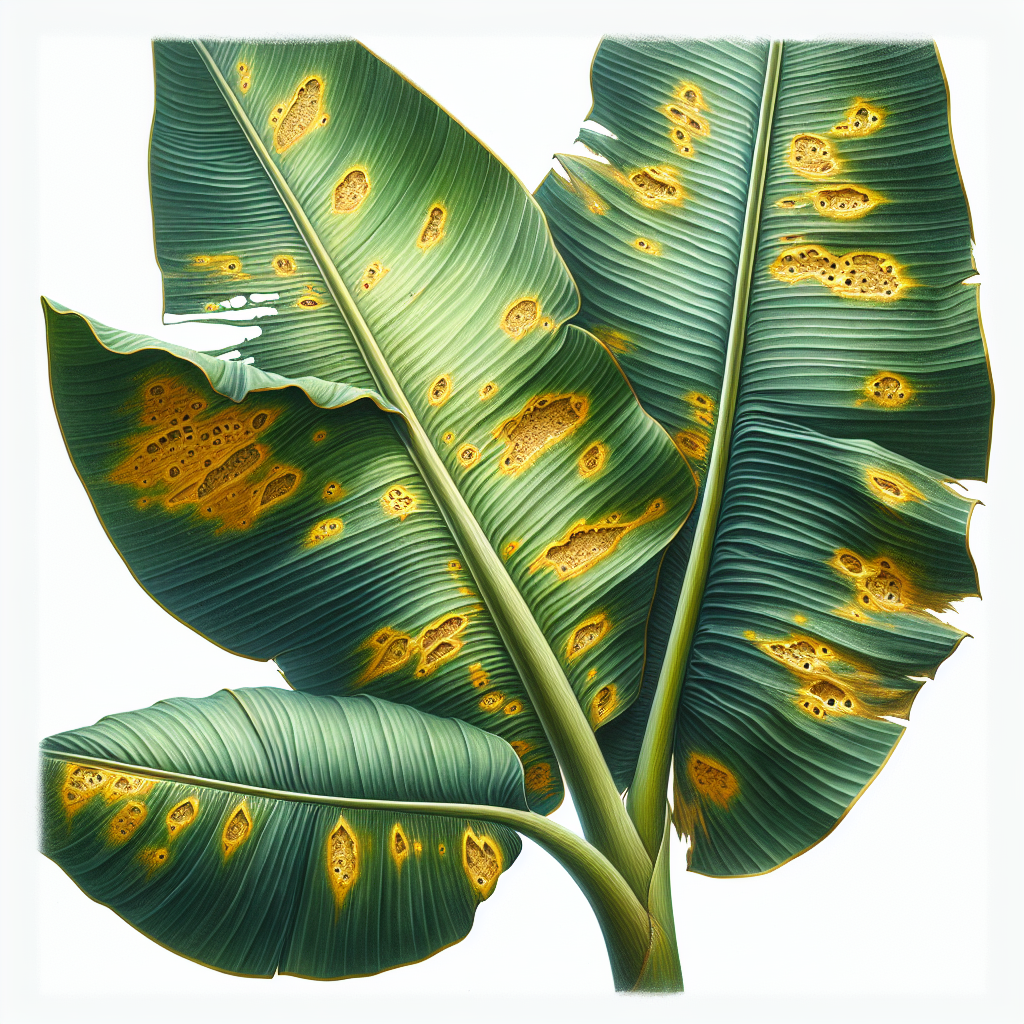
yellow Sigatoka
Yellow Sigatoka is a destructive foliar disease caused by the fungus Mycosphaerella musicola, primarily affecting banana and plantain crops worldwide. It leads to reduced photosynthesis, premature leaf drop, and significant yield losses of up to 50% if unmanaged. Effective management relies on cultural practices, resistant varieties, and timely organic fungicide applications.
View Profile
yellow vein mosaic
Yellow vein mosaic is a devastating viral disease primarily affecting okra and other vegetable crops, transmitted by whiteflies, causing characteristic yellowing along leaf veins and severe yield losses. This guide provides comprehensive diagnostics, organic management strategies, and prevention tactics for farmers battling this pervasive issue. Early detection and integrated approaches can minimize damage and protect crop productivity.
View Profile
Zucchini Yellow Mosaic Virus
Zucchini Yellow Mosaic Virus (ZYMV) is a destructive potyvirus that severely impacts cucurbit crops, causing mosaic patterns, stunted growth, and deformed fruits. Transmitted primarily by aphids in a non-persistent manner, it spreads rapidly in warm conditions. Effective management relies on resistant varieties, vector control, and strict sanitation practices.
View Profile