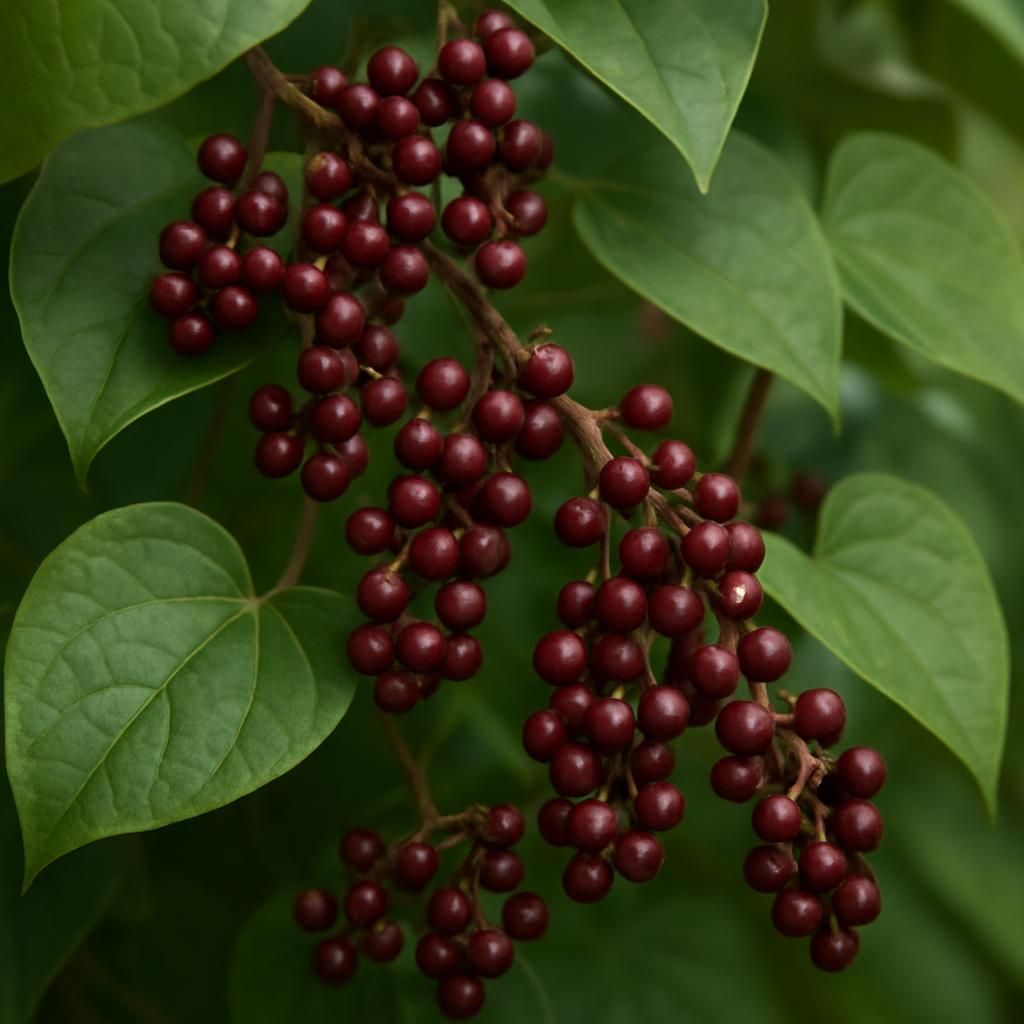
Introduction to Voatsiperifery Pepper
Voatsiperifery Pepper (Piper borbonense) is a perennial climbing vine native to the humid forests of Madagascar. Unlike cultivated black pepper (Black Pepper), this wild species produces small, highly aromatic berries that are hand-harvested from mature vines. Its distinctive flavor profile—combining floral, citrus, pine, and woody notes—has made it a premium spice sought after by chefs and specialty markets worldwide.
Commercial interest in Voatsiperifery Pepper has grown rapidly due to its unique sensory characteristics and limited natural supply. Successful cultivation requires replicating the shaded, humid understory conditions of its native habitat while managing the vine’s vigorous growth. This guide provides detailed, professional-grade agronomic recommendations for establishing and maintaining productive plantings.
Botanical Profile of Voatsiperifery Pepper
Voatsiperifery Pepper belongs to the Piperaceae family and is a dioecious woody climber capable of reaching 10–15 meters in length when supported. The plant produces heart-shaped, leathery leaves with prominent venation and small, inconspicuous flowers arranged on pendulous spikes. Female plants develop clusters of small drupes that mature from green to dark red before drying to black.
The vine’s root system is shallow and fibrous, making it sensitive to both drought and waterlogging. Like many Piper species, Voatsiperifery Pepper forms symbiotic relationships with mycorrhizal fungi that enhance nutrient uptake in low-fertility soils. Understanding these botanical traits is essential for successful propagation and long-term vine management.
Soil, pH, and Climate Requirements for Voatsiperifery Pepper
Voatsiperifery Pepper thrives in well-drained, organic-rich soils with consistent moisture and moderate fertility. The plant performs best in tropical or subtropical climates with high humidity and filtered sunlight.
| Parameter | Ideal Range | Notes |
|---|---|---|
| Soil Type | Loamy to sandy loam with high organic matter | Avoid heavy clay without raised beds |
| Soil pH | 5.5 – 6.8 | Slightly acidic conditions preferred |
| Temperature | 20–30 °C daytime; minimum 15 °C | Protect from frost |
| Relative Humidity | 70–90 % | Essential for vine health and fruit set |
| Annual Rainfall | 1,500–3,000 mm | Supplemental irrigation in dry periods |
| Light | 30–50 % shade | Mimics forest understory |
| Altitude | 0–800 m | Lower to mid elevations optimal |
Step-by-Step Planting & Propagation
Propagation of Voatsiperifery Pepper is achieved primarily through semi-hardwood cuttings taken from healthy, disease-free mother plants. Select 15–20 cm cuttings with at least three nodes and remove lower leaves before planting in a well-draining propagation mix of perlite and coconut coir.
Cuttings should be placed under intermittent mist or in a humidity dome at 25–28 °C with bottom heat. Rooting typically occurs within 6–8 weeks. Once rooted, acclimate plants gradually to ambient humidity before transplanting into the field or containers.
Field planting requires sturdy support structures such as living posts or trellises. Space plants 2–3 meters apart in rows 3 meters wide. Incorporate 5–10 kg of well-rotted compost per planting hole and ensure soil remains consistently moist during establishment.
Care & Maintenance regimes for Voatsiperifery Pepper
Ongoing care focuses on maintaining soil moisture, providing balanced nutrition, and managing vine architecture. Regular monitoring prevents nutrient deficiencies and supports consistent berry production.
| Task | Schedule | Details |
|---|---|---|
| Watering | 2–3 times weekly during dry season | Maintain even soil moisture; avoid waterlogging |
| Fertilizer | Every 8–10 weeks (growing season) | Apply balanced NPK 10-10-10 or organic equivalent at 200–300 g/vine |
| Pruning | Twice annually | Remove dead wood and train lateral branches; prune after harvest |
| Mulching | Renew annually | 5–8 cm layer of organic mulch to retain moisture and suppress weeds |
| Shade Management | Continuous | Maintain 30–50 % shade cloth or interplant with taller canopy species |
Pests, Diseases & Organic Management
Voatsiperifery Pepper is susceptible to several common pests and diseases of the Piper genus. Regular scouting and cultural practices form the foundation of integrated pest management.
Common pests include Aphids, Mealybugs, and Spider Mites. These can be managed with insecticidal soaps, neem oil, and releases of beneficial insects such as lady beetles and lacewings. Root-knot nematodes may become problematic in sandy soils; solarization and organic amendments help reduce populations.
Fungal diseases such as Phytophthora root rot and leaf spot diseases are favored by excessive moisture. Improve drainage, avoid overhead irrigation, and apply copper-based fungicides only when necessary. Maintaining good airflow through proper pruning reduces disease pressure.
Harvesting, Curing & Optimal Storage
Berries are harvested when they reach full size and begin to turn dark red. Selective hand-picking over several weeks ensures optimal flavor development. After harvest, berries are cleaned and dried in the shade or using low-temperature dehydrators at 35–40 °C until moisture content reaches 10–12 %.
Properly cured Voatsiperifery Pepper retains its complex aromatic profile for 12–18 months when stored in airtight containers away from light and heat. Vacuum-sealing extends shelf life and preserves volatile compounds.
Companion Planting for Voatsiperifery Pepper
Voatsiperifery Pepper benefits from strategic companion planting that enhances biodiversity and provides microclimate benefits. Shade-tolerant legumes such as Pigeon pea improve soil nitrogen while offering light canopy cover.
Interplanting with Vanilla or Cardamom creates a multi-layered agroforestry system that mimics the plant’s native habitat. Aromatic herbs like Thai Basil can help repel certain insect pests. Avoid planting heavy feeders or aggressive vines that compete for light and nutrients.
For additional insights on building resilient small-farm systems through strategic crop pairings, see Summer Companion Planting: 10 Organic Pairings to Boost Small Farm Resilience.