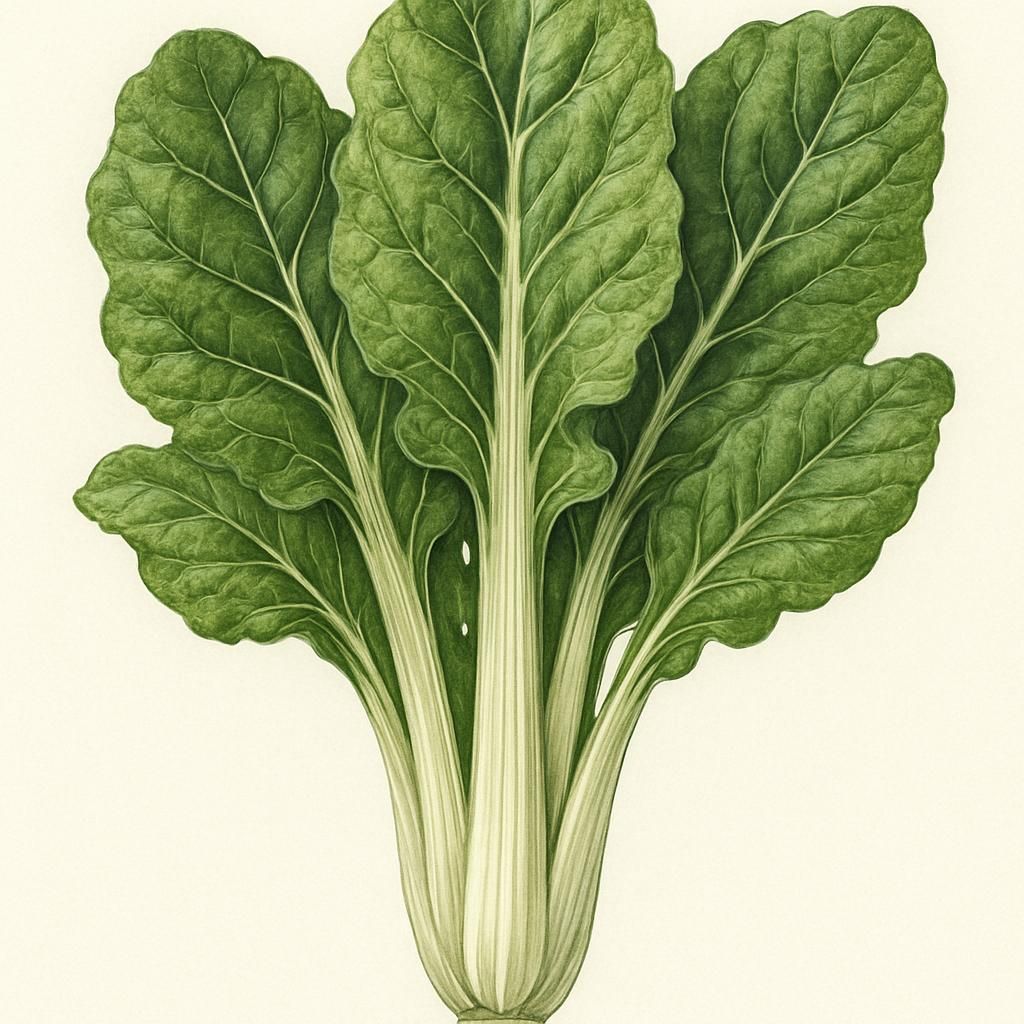
Introduction to Swiss Chard (Barese)
Swiss Chard (Barese) is a variety of the well-known Swiss Chard plant, originating from the Mediterranean region. This particular variety is appreciated for its tender leaves and mild taste, which make it a versatile ingredient in cooking. Often used in salads, soups, and sautés, Swiss Chard (Barese) is an excellent source of vitamins A, C, and K as well as minerals like magnesium and potassium. Its ability to thrive in a variety of conditions makes it a popular choice for home gardeners and commercial producers alike.
Botanical Profile of Swiss Chard (Barese)
The botanical classification of Swiss Chard places it in the species Beta vulgaris, specifically the variety cicla. This biennial plant is related to beets but differs in that it is grown primarily for its nutrient-rich foliage rather than its root. Swiss Chard (Barese) typically features broad, dark green leaves with prominent ribs. The stems are usually white, but variations in color can occur.
Soil, pH, and Climate Requirements for Swiss Chard (Barese)
Swiss Chard (Barese) is particularly robust and can tolerate cooler temperatures, making it an excellent crop for spring and fall planting in temperate regions. To ensure optimal growth, attention should be paid to its soil and climate needs.
| Parameter | Ideal Conditions |
|---|---|
| Soil Type | Well-drained, loamy soil |
| Soil pH | 6.0 - 7.0 |
| Temperature | 60-75°F (15-24°C) |
| Sunlight | Full sun to partial shade |
| Watering | Consistent moisture with good drainage |
| Climate | Cool to moderate, tolerates light frost |
Step-by-Step Planting & Propagation
- Site Selection: Choose a site with access to full sun to partial shade, ensuring the soil is well-drained.
- Soil Preparation: Amend your soil with organic compost to improve fertility and drainage. Adjust pH if necessary.
- Sowing Seeds: Direct sow Swiss Chard (Barese) seeds outdoors, planting them 1/2 inch deep and 6 inches apart in rows.
- Thinning: Once seedlings are an inch or two tall, thin them to 12 inches apart to allow room for mature growth.
- Irrigation: Maintain soil moisture with consistent but not excessive watering.
Care & Maintenance Regimes for Swiss Chard (Barese)
Swiss Chard (Barese) is relatively low-maintenance, but adherence to proper care practices will ensure a bountiful harvest.
| Activity | Frequency |
|---|---|
| Watering | 1-2 times weekly, increase frequency in dry conditions |
| Fertilizing | Once a month during growing season |
| Pruning | Remove any yellowing leaves or thick stems regularly |
Pests, Diseases & Organic Management
Swiss Chard (Barese) is susceptible to several common pests and diseases, though many can be managed organically.
- Pests: Common pests include Aphids, Spider Mites, and Leaf Miners.
- Control: Use insecticidal soaps or neem oil as a preventive measure, and encourage natural predators like ladybugs.
- Diseases: Watch out for Downy Mildew or Cercospora Leaf Spot.
- Control: Ensure good air circulation and apply copper-based fungicides when necessary.
For more about managing pests and diseases organically, refer to the blog post Crop Diseases Under the Microscope: 9 Organic Fixes for Small Farm Resilience.
Harvesting, Curing & Optimal Storage
- Harvesting: Swiss Chard (Barese) can be harvested continuously. Begin picking when leaves are young and tender, about 8-12 inches in height.
- Curing: If desired, chard can be blanched and frozen for longer storage.
- Storage: Store fresh chard in a refrigerator, well wrapped, and it will stay fresh for up to a week.
Companion Planting for Swiss Chard (Barese)
Companion planting can support Swiss Chard (Barese) growth. Effective companions include Onion, Lettuce, and Beans.
Companion planting not only maximizes space but also enhances pest control and improves yield. For companion planting tips, see the related blog post Summer Companion Planting: 10 Organic Pairings to Boost Small Farm Resilience.