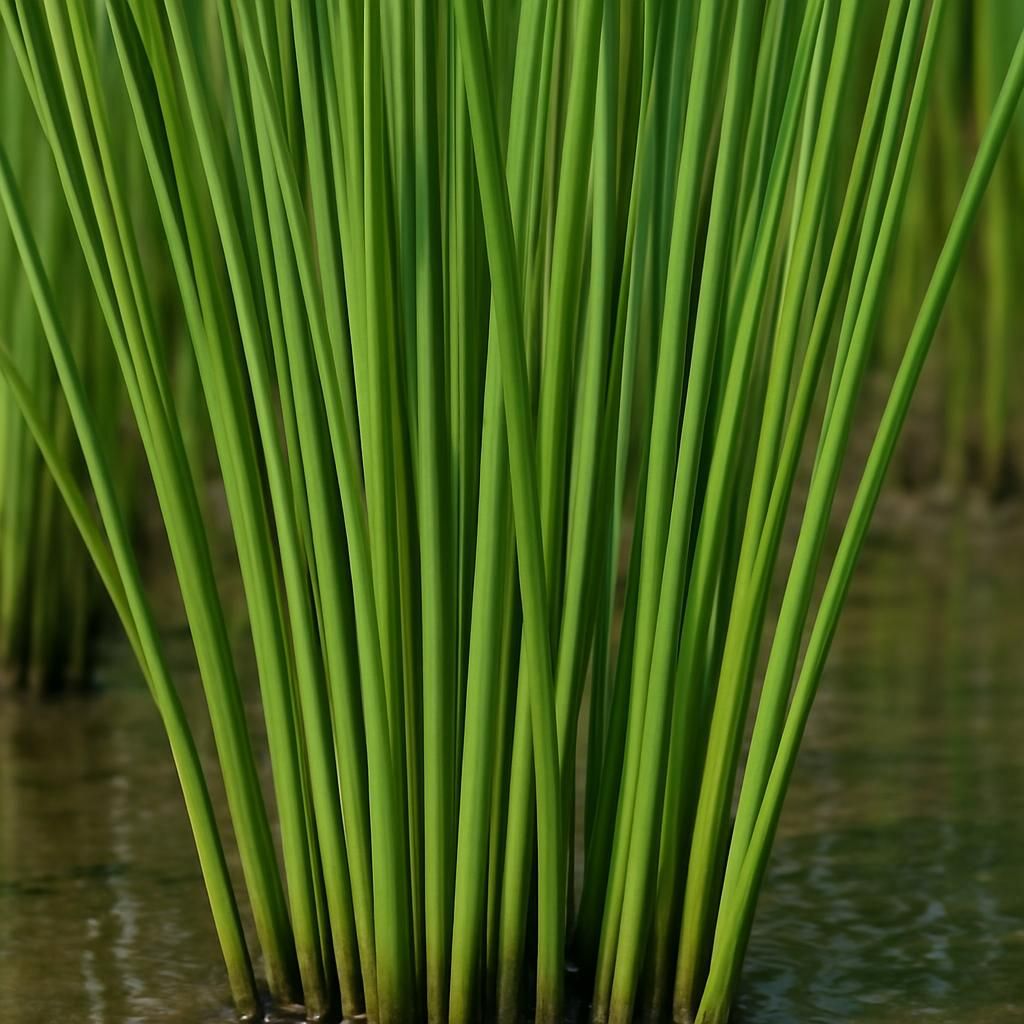
Introduction to Soft Rush
Soft Rush (Juncus effusus) is a clumping, evergreen perennial sedge-like plant native to temperate wetlands across the Northern Hemisphere. For centuries it has supplied durable, flexible stems for basketry, chair seating, and cordage, while modern growers value it for erosion control, constructed wetlands, and ornamental water gardens. Its ability to tolerate periodic flooding and poor soils makes it an ideal crop for marginal land where conventional agriculture struggles.
Commercial interest is rising among specialty fiber producers, wetland restoration contractors, and eco-landscapers seeking low-input, high-value perennial crops. Unlike annual fiber crops, once established Soft Rush delivers multi-year harvests with minimal replanting. This guide provides professional-grade cultivation protocols drawn from agronomic research and field experience.
Botanical Profile of Soft Rush
Soft Rush belongs to the Juncaceae family and forms dense basal tufts of cylindrical, pith-filled stems that reach 60–120 cm in height. The stems are smooth, bright green to olive, and lack true leaves, instead bearing reduced sheaths at the base. Small, inconspicuous brownish flowers appear in terminal clusters from late spring through summer, followed by tiny capsules containing numerous seeds.
The plant spreads slowly via short rhizomes, forming compact clumps rather than aggressive runners. Its extensive fibrous root system excels at binding saturated soils and filtering nutrients, making it a staple in phytoremediation projects. Ecologically, Soft Rush supports diverse invertebrates and amphibians while providing nesting material for birds.
Soil, pH, and Climate Requirements for Soft Rush
Successful cultivation begins with matching site conditions to the plant’s wetland origins. Soft Rush performs best in consistently moist to saturated soils but tolerates brief seasonal drying once established.
| Parameter | Ideal Range | Notes |
|---|---|---|
| Soil Type | Loamy, silty, or clayey | High organic matter improves establishment |
| Soil pH | 5.0 – 7.5 | Tolerates mildly acidic to neutral conditions |
| Soil Moisture | Saturated to 5 cm standing water | Critical during first two growing seasons |
| Temperature Range | 5–30 °C daytime | Hardy to –20 °C once established |
| USDA Hardiness Zones | 4–9 | Performs across temperate climates |
| Light Requirement | Full sun to partial shade | Full sun maximizes stem density and length |
Heavy clay or mucky soils are acceptable provided drainage prevents complete anaerobiosis during active growth. Avoid sites with prolonged saltwater exposure unless salt-tolerant ecotypes are selected.
Step-by-Step Planting & Propagation
Soft Rush is most reliably established from division of mature clumps or container-grown plugs. Seed propagation is possible but slower and less uniform.
- Site Preparation: Clear competing vegetation and incorporate 5–10 cm of well-rotted compost into the top 15 cm of soil. Create shallow basins or furrows to retain moisture.
- Timing: Plant divisions or plugs in early spring after soil temperatures reach 8 °C, or in early autumn in mild climates.
- Spacing: Space plants 30–45 cm apart in rows 60–90 cm wide for fiber production; closer spacing (20 cm) for dense wetland plantings.
- Planting Depth: Set plugs so the crown sits at or just below soil surface; do not bury deeply.
- Initial Watering: Flood the planting area to 2–5 cm depth for the first 4–6 weeks, then maintain consistent saturation.
- Mulching: Apply a thin layer of straw or wood chips between rows to suppress weeds while stems elongate.
Division Method: Lift established clumps in early spring, separate into sections with 3–5 stems each, and replant immediately. Each division should include healthy roots and at least one growing point.
Seed Method: Sow fresh seed on the surface of moist seed trays in late winter; do not cover. Maintain 15–20 °C and high humidity. Germination occurs in 14–30 days. Transplant seedlings at the 4–6 leaf stage.
Care & Maintenance regimes for Soft Rush
Once established, Soft Rush requires minimal intervention. Focus on moisture management and periodic division to maintain vigor.
| Task | Schedule | Details |
|---|---|---|
| Watering | Maintain saturation year-round | Irrigate or flood during dry spells; reduce in dormant season |
| Fertilizer | Early spring (March–April) | Apply 20–30 kg N/ha of balanced organic fertilizer; avoid excess nitrogen that softens stems |
| Fertilizer | Mid-summer (July) | Optional light side-dressing if growth is pale |
| Pruning / Harvest | Late autumn or early winter | Cut stems at base after flowering for fiber; leave 10 cm stubble for overwintering |
| Division | Every 3–4 years | Lift and divide clumps in early spring to rejuvenate planting |
Weed control is critical during the first season. Hand-weeding or shallow cultivation between rows prevents competition. After canopy closure, weed pressure declines naturally.
Pests, Diseases & Organic Management
Soft Rush is generally pest-resistant, but several organisms can affect young plantings.
- Aphids may colonize tender spring growth; blast with water or apply insecticidal soap.
- Slugs and snails damage emerging shoots in cool, wet springs; use iron-phosphate baits and improve drainage.
- Spider mites occasionally appear during prolonged drought; increase humidity and release predatory mites.
- Pythium and Phytophthora can cause root rot in waterlogged, poorly aerated soils; ensure adequate oxygen exchange and avoid over-fertilization.
- Leaf spot diseases appear as brown lesions in humid conditions; remove infected foliage and improve air circulation.
Organic management emphasizes cultural practices: proper spacing, balanced nutrition, and avoidance of standing water on foliage. Beneficial insects and nematodes provide additional biological control when pest populations rise.
Harvesting, Curing & Optimal Storage
Harvest timing depends on end use. For traditional weaving, cut stems when fully elongated but before seed set (late summer to early autumn). For ecological plantings, harvest may be delayed until dormancy.
Cut stems cleanly at soil level with sharp sickles or mechanical harvesters. Bundle immediately to prevent bruising. Air-dry bundles in a well-ventilated barn or greenhouse at 20–25 °C with low humidity for 7–14 days until moisture content drops below 15 %. Turn bundles daily for even drying.
Store cured stems in breathable sacks or on elevated racks in a cool, dry location (10–15 °C, <60 % RH). Protect from rodents and direct sunlight. Properly cured material retains flexibility for 2–3 years.
Companion Planting for Soft Rush
Soft Rush integrates well with other wetland species to create resilient polycultures. Pair with Cattail and Bulrush for enhanced nutrient filtration in constructed wetlands. In ornamental or restoration settings, combine with moisture-loving perennials such as Joe-Pye Weed and Swamp Milkweed to support pollinators.
Avoid planting with aggressive upland grasses that compete for light. In fiber systems, interplant with low-growing legumes such as White Clover between rows to fix nitrogen and suppress weeds. These pairings improve biodiversity while maintaining the saturated conditions Soft Rush requires.
Soft Rush cultivation offers growers a sustainable perennial option that restores wetland function while producing valuable fiber. With attention to moisture and initial establishment, this crop delivers reliable yields for decades.