Introduction to Oxalis
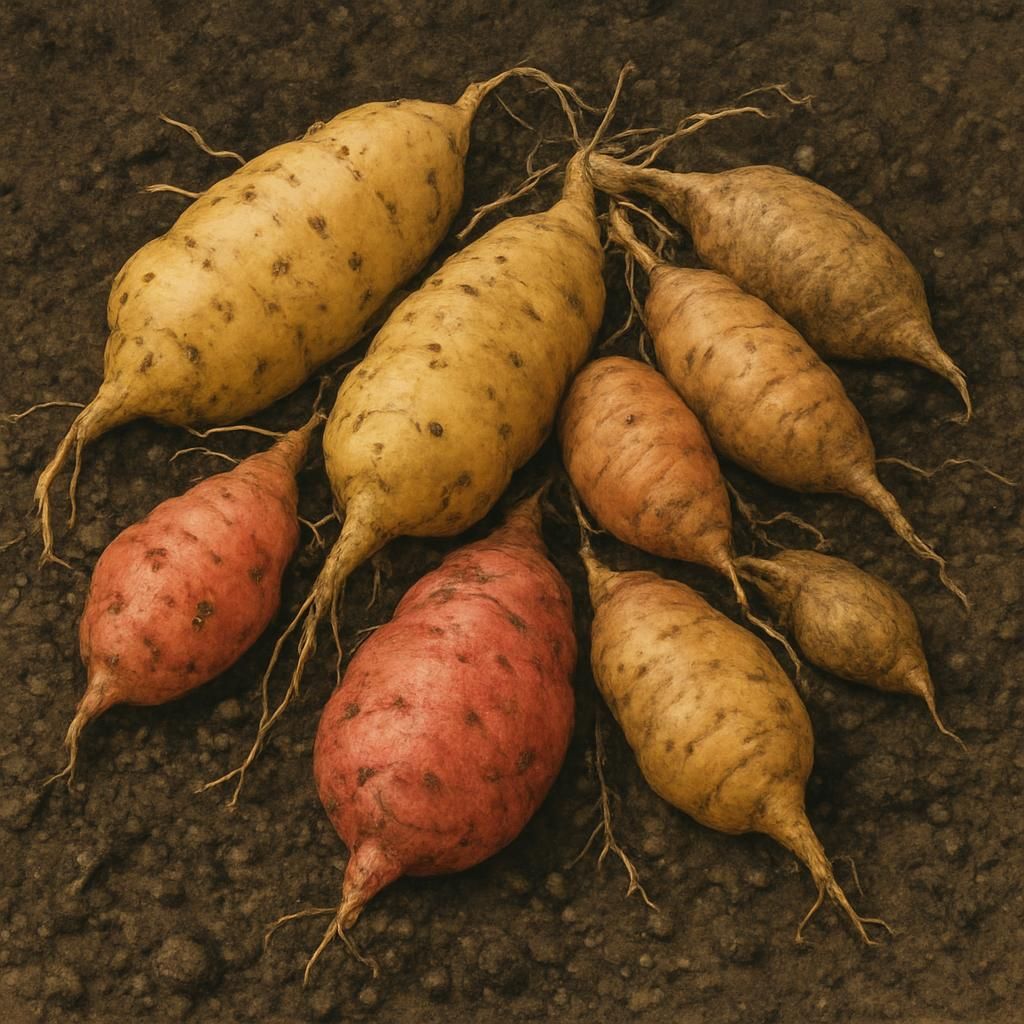
Oxalis tuberosa, known by common names including oca, New Zealand yam, and uqa, is a perennial tuber crop native to the Andean highlands. Valued for its edible tubers that range from creamy white to deep red or purple, oxalis offers a unique tangy flavor and excellent storage qualities. It is gaining popularity among home gardeners and small-scale farmers seeking resilient, nutritious root crops that thrive in cooler climates.
Botanical Profile of Oxalis
Oxalis tuberosa belongs to the Oxalidaceae family. Plants produce palmate leaves with three leaflets that fold at night, a characteristic trait of the genus. Tubers develop underground along stolons and vary widely in shape, size, and color. The crop is day-length sensitive, with tuberization typically triggered by shortening days in autumn. Flowers are small, five-petaled, and usually yellow, though they rarely set viable seed in cultivation.
Soil, pH, and Climate Requirements for Oxalis
Oxalis performs best in well-drained, fertile loam soils. It tolerates a range of textures but dislikes waterlogged conditions that promote tuber rot. The crop prefers cool temperatures and is sensitive to frost once foliage emerges.
| Parameter | Ideal Range | Notes |
|---|---|---|
| Soil Type | Loamy, well-drained | Sandy loam or silt loam with good structure |
| Soil pH | 5.5 – 6.8 | Slightly acidic to neutral |
| Temperature (Day) | 15–22 °C | Optimal tuber development |
| Temperature (Night) | 5–12 °C | Cooler nights enhance flavor |
| Frost Tolerance | Light frost only | Protect young shoots |
| Spacing | 30 cm between plants | 60–75 cm between rows |
| Planting Depth | 8–10 cm | Cover tubers firmly |
Step-by-Step Planting & Propagation
- Select certified disease-free tubers or divisions from healthy parent plants.
- Prepare beds by incorporating 5–7 cm of well-rotted compost and ensuring drainage.
- Plant tubers 8–10 cm deep with the growing point upward when soil reaches 10 °C.
- Space plants 30 cm apart in rows 60–75 cm wide.
- Water thoroughly after planting and apply a 5 cm layer of organic mulch to conserve moisture and suppress weeds.
Care & Maintenance regimes for Oxalis
Consistent moisture and moderate fertility produce the highest quality tubers. Avoid high-nitrogen feeds that favor foliage over tubers. The following schedule supports steady growth from planting through harvest.
| Task | Frequency | Details |
|---|---|---|
| Water | 2–3 times weekly | Keep soil evenly moist; reduce as foliage yellows |
| Fertilizer | At planting + 6 weeks later | Balanced NPK 5-10-10 or compost tea |
| Pruning | As needed | Remove yellowing leaves to improve airflow |
Pests, Diseases & Organic Management
Common issues include Aphids, Slugs, and Root rot. Monitor regularly and use floating row covers for early-season insect protection. Apply diatomaceous earth or iron phosphate baits for slugs. Improve drainage and rotate crops to manage soil-borne diseases. Neem oil or insecticidal soap provides effective control of soft-bodied pests when populations exceed thresholds.
Harvesting, Curing & Optimal Storage
Harvest when foliage begins to yellow, typically 6–8 months after planting. Gently lift tubers with a fork to avoid damage. Cure in a shaded, well-ventilated area at 15–18 °C for 7–10 days. Store cured tubers in cool (4–10 °C), dark, humid conditions for up to six months. Avoid washing until ready to use.
Companion Planting for Oxalis
Oxalis benefits from planting alongside Nasturtium for natural aphid deterrence and Thyme to repel slugs. Avoid planting near Potato to reduce shared disease pressure. Interplanting with Lettuce or Carrot maximizes bed space and improves biodiversity.