Introduction to Nigella Seed
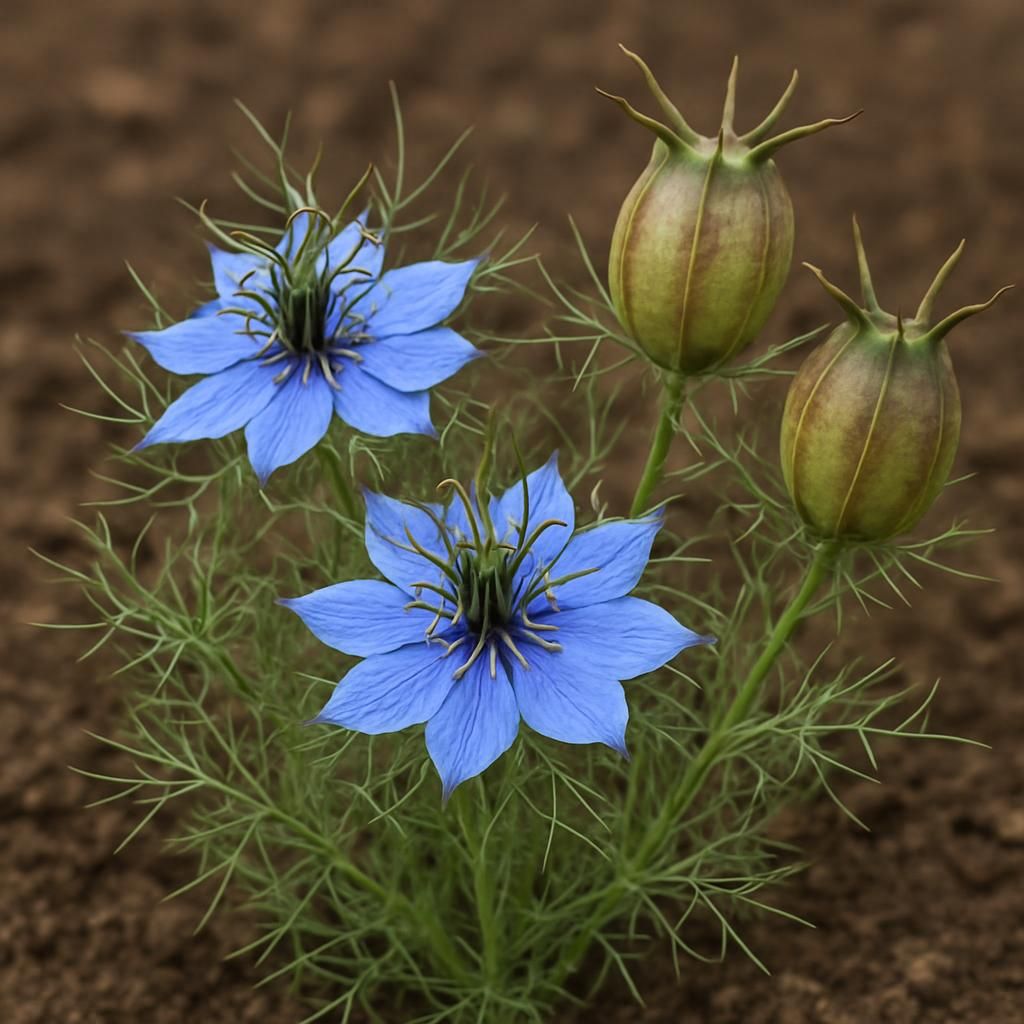
Nigella sativa, known globally as nigella seed, black cumin, or kalonji, is an annual herbaceous plant prized for its aromatic, peppery seeds. These tiny black seeds have been used for thousands of years in Middle Eastern, Indian, and Mediterranean cuisines as well as in traditional Ayurvedic and Unani medicine. The plant produces striking blue or white flowers that mature into distinctive inflated seed pods containing dozens of triangular seeds. Nigella seed thrives in cool weather and requires relatively low maintenance, making it suitable for both small-scale gardeners and commercial growers seeking a high-value specialty crop.
Botanical Profile of Nigella Seed
Nigella sativa belongs to the Ranunculaceae family and grows 30–60 cm tall with finely divided, feathery foliage. The flowers are solitary, five-petaled, and usually pale blue to white with prominent stamens. After pollination, the ovary develops into a large, balloon-like capsule that splits open at maturity to release the seeds. The seeds are small (2–3 mm), matte black, and possess a slightly bitter, oregano-like flavor with notes of onion and black pepper. The plant is self-fertile and typically completes its life cycle within 90–120 days from sowing to harvest.
Soil, pH, and Climate Requirements for Nigella Seed
Nigella seed performs best in well-drained, moderately fertile soils with good structure. It tolerates a wide range of soil types but struggles in heavy clay or waterlogged conditions. Optimal soil pH ranges from 6.0 to 7.5. The crop prefers cool temperatures during establishment and flowering, with ideal daytime temperatures between 15–25 °C. It is moderately drought-tolerant once established but benefits from consistent moisture during germination and early growth.
| Parameter | Ideal Range | Notes |
|---|---|---|
| Soil Type | Loamy to sandy loam | Well-drained; avoid heavy clays |
| Soil pH | 6.0 – 7.5 | Slightly acidic to neutral |
| Temperature (Day) | 15 – 25 °C | Cool-season crop; avoid extreme heat |
| Temperature (Night) | 8 – 15 °C | Supports flowering and seed set |
| Annual Rainfall | 400 – 700 mm | Supplemental irrigation in dry periods |
| Sunlight | Full sun (6+ hours) | Partial shade reduces seed yield |
| Frost Tolerance | Light frost tolerant | Seedlings survive -2 °C; protect young plants |
Step-by-Step Planting & Propagation
- Site Selection: Choose a sunny location with well-drained soil. Raised beds or ridges improve drainage in heavier soils.
- Soil Preparation: Incorporate 2–3 cm of well-rotted compost or aged manure. Avoid fresh manure which can cause excessive vegetative growth.
- Sowing Time: Direct sow in early spring when soil temperatures reach 10–12 °C, or in autumn in mild-winter regions. In cooler climates, start seeds indoors 4–6 weeks before the last frost.
- Sowing Method: Broadcast seeds thinly or sow in rows 30 cm apart at a depth of 0.5–1 cm. Lightly cover and firm the soil.
- Spacing: Thin seedlings to 10–15 cm apart once they reach 5 cm in height.
- Germination: Expect germination in 7–14 days. Keep soil consistently moist during this period.
Care & Maintenance regimes for Nigella Seed
Nigella seed is relatively low-maintenance but responds well to timely irrigation and light feeding. Mulching helps suppress weeds and retain soil moisture. Avoid over-fertilization, which promotes lush foliage at the expense of seed production.
| Growth Stage | Watering Schedule | Fertilizer Application | Pruning/Maintenance |
|---|---|---|---|
| Germination (0–14 days) | Light daily watering to keep soil moist | None required | None |
| Vegetative (2–6 weeks) | Water every 3–4 days; 25–30 mm/week | Side-dress with balanced organic fertilizer (NPK 5-5-5) at 4 weeks | Weed regularly; thin seedlings |
| Flowering (6–9 weeks) | Water every 5–7 days; reduce slightly | Apply phosphorus-rich fertilizer once at bud stage | Remove yellow leaves; support tall plants if needed |
| Seed Development (9–14 weeks) | Water sparingly; allow soil to dry between waterings | No additional fertilizer | Monitor for lodging; remove weeds |
Pests, Diseases & Organic Management
Nigella seed is generally resistant to most pests and diseases due to its aromatic compounds. Occasional issues include Aphids and Spider Mites during hot, dry periods. Fungal problems such as Powdery Mildew can occur in humid conditions. Organic management includes introducing beneficial insects like ladybugs, applying neem oil sprays, and ensuring proper plant spacing for airflow. Crop rotation and removal of plant debris at season end further reduce disease pressure.
Harvesting, Curing & Optimal Storage
Harvest when seed capsules turn brown and begin to split, typically 90–120 days after sowing. Cut entire plants at the base and hang them upside down in a dry, well-ventilated area for 7–10 days. Once fully dry, gently crush capsules to release seeds. Clean seeds by winnowing and store in airtight containers in a cool, dark place. Properly dried and stored seeds retain viability and flavor for up to two years.
Companion Planting for Nigella Seed
Nigella seed pairs well with many vegetables and herbs. It benefits Tomato and Cucumber by attracting pollinators and repelling certain insects with its scent. It also grows harmoniously alongside Onion, Garlic, and Carrot. Avoid planting near Fava Bean as both prefer similar nutrient profiles and may compete. Nigella can serve as a beneficial border plant in mixed vegetable beds, enhancing biodiversity and providing visual interest with its delicate flowers.