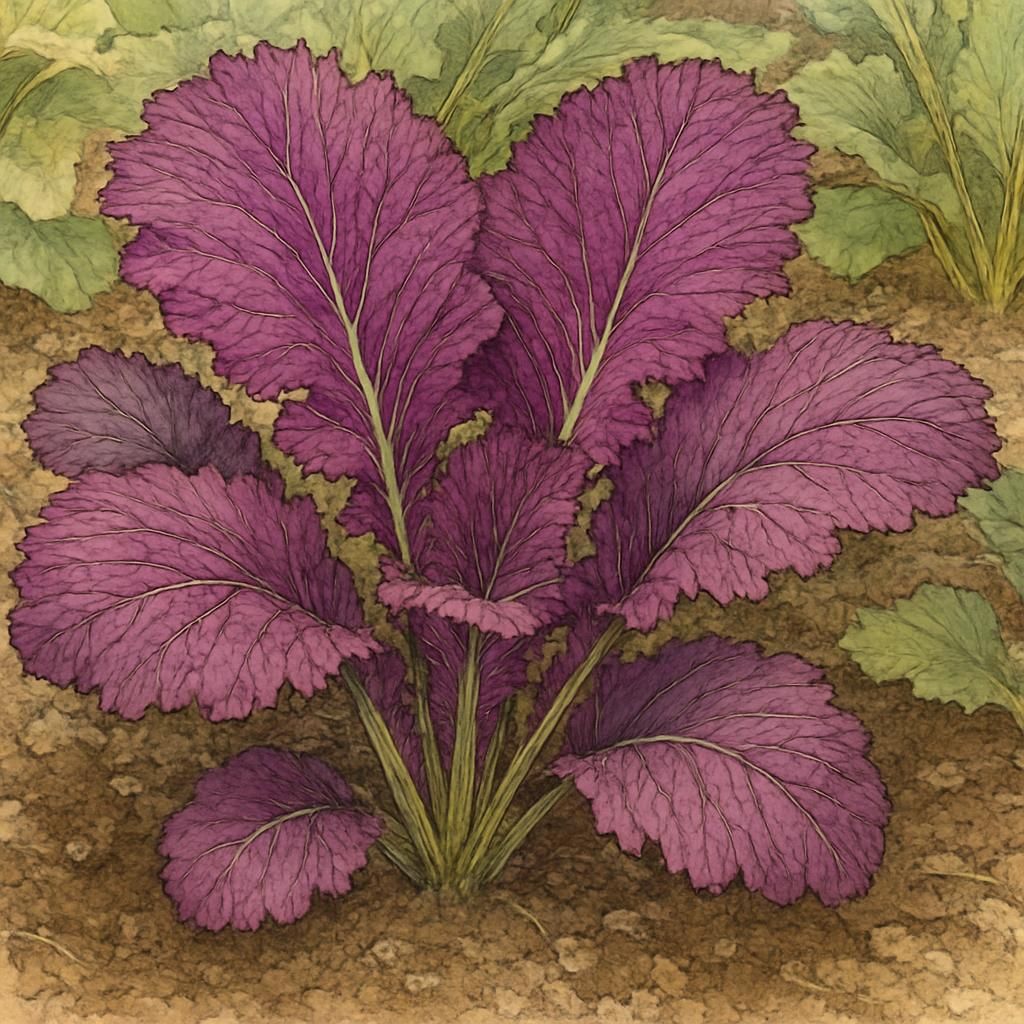
Introduction to Mustard Greens (Osaka Purple)
Mustard Greens (Osaka Purple) is a vibrant, versatile vegetable renowned for its purple-tinged leaves and peppery flavor. This heirloom variety is popular worldwide in both culinary and ornamental gardening. Understanding the specific requirements and care regimen for this variety will enhance your gardening success and culinary experiences.
Botanical Profile of Mustard Greens (Osaka Purple)
Mustard Greens belong to the Brassicaceae family and are botanically identified as Brassica juncea 'Osaka Purple'. This variety is characterized by its deeply lobed, dark purple leaves with a mild spicy taste. The plants grow quickly and are often ready for harvest within 40-50 days of planting.
Soil, pH, and Climate Requirements for Mustard Greens (Osaka Purple)
Osaka Purple Mustard Greens thrive in well-drained, fertile soils with a slightly acidic to neutral pH. They prefer cooler growing conditions and can tolerate light frost better than heat. Here is a table summarizing the ideal conditions for this crop:
| Aspect | Ideal Condition |
|---|---|
| Soil | Well-drained, fertile loam |
| pH | 6.0 - 7.0 |
| Temperature | 45°F - 75°F (7°C - 24°C) |
| Sunlight | Full sun to partial shade |
| Moisture | Consistently moist, not waterlogged |
Step-by-Step Planting & Propagation
- Seed Selection: Choose high-quality, disease-free seeds from a reputable source.
- Site Preparation: Ensure the area is free of weeds, and the soil is nutrient-rich and well-drained.
- Sowing: Direct sow seeds 1/4 inch deep and space them 6-12 inches apart in rows.
- Watering: Immediately after planting, water thoroughly to aid germination.
- Germination: Expect germination within 7-10 days under optimal conditions.
Care & Maintenance Regimes for Mustard Greens (Osaka Purple)
Regular care will ensure robust growth and increase yields. Follow the table below for a basic routine:
| Aspect | Schedule/Details |
|---|---|
| Watering | 1-2 inches per week, more in dry spells |
| Fertilizing | Apply a balanced fertilizer every 3-4 weeks |
| Pruning | Remove yellowing leaves to encourage new growth |
Pests, Diseases & Organic Management
Common challenges for Mustard Greens include pests like Aphids and Spider Mites, and diseases like Downy Mildew. Organic management strategies such as introducing beneficial insects, applying neem oil spray, and maintaining good air circulation can mitigate these issues. Mustard Greens also benefit from crop rotation and companion planting for pest control.
Harvesting, Curing & Optimal Storage
Harvest mustard greens when the leaves are young and tender, around 40-50 days after planting. Hold the plant by the stem and cut the outer leaves first, allowing the center to continue growing. Store the harvested leaves in a plastic bag in the refrigerator for up to a week, for the best flavor and texture.
Companion Planting for Mustard Greens (Osaka Purple)
Companion planting can enhance growth and deter pests. Ideal companions for Osaka Purple include aromatics like Thyme and vegetables like carrots and Radishes. Avoid planting near crops such as beans and Tomatoes that may stunt each other's growth.
For more strategies on pest prevention and soil health, explore 7 Summer Pest Traps That Sabotage Small Farm Harvests and Summer Companion Planting: 10 Organic Pairings to Boost Small Farm Resilience.