Introduction to Manila Tamarind (Camachile)
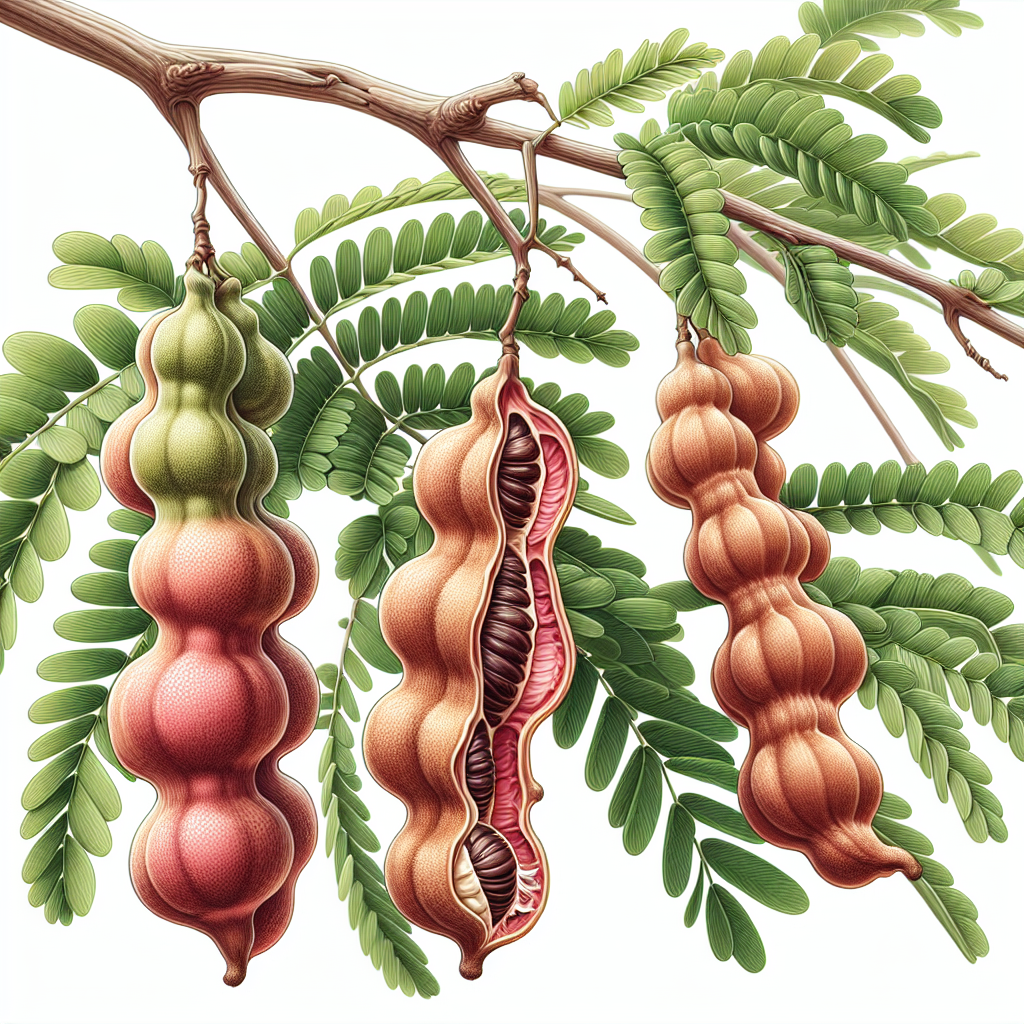
Manila Tamarind, commonly called Camachile, is a versatile tropical tree native to Mexico and Central America but widely cultivated across Southeast Asia, India, and the Philippines. Scientifically known as Pithecellobium dulce, it belongs to the Fabaceae family and is often confused with true tamarind (Tamarindus indica) due to its similar pod shape and tangy flavor. The tree produces curly, pinkish-brown pods filled with edible pulp surrounding large seeds, offering a sweet-sour taste that's addictive for fresh eating, juices, candies, and culinary uses.
This resilient species excels in arid and semi-arid regions, growing rapidly to 15-25 meters tall with a broad canopy providing excellent shade for agroforestry systems. Farmers value it for multiple benefits: high-yield fruit production (up to 200 kg per mature tree annually), nitrogen-fixing roots that improve soil fertility, livestock fodder from leaves and pods, and medicinal properties like treating digestive issues and inflammation. In home gardens or commercial orchards, Camachile demands low maintenance, making it ideal for beginners and small-scale growers. With proper management, trees bear fruit within 3-4 years, ensuring long-term profitability. For more on tropical fruit trees, see our guide on mango cultivation.
Botanical Profile of Manila Tamarind (Camachile)
Pithecellobium dulce is a semi-evergreen to deciduous tree characterized by a stout trunk, grayish-brown bark, and feathery bipinnate leaves that measure 5-12 cm long. Each leaf has 2-3 pairs of pinnae with 6-10 oblong leaflets, turning yellow before leaf drop in dry seasons. The tree's bipinnate structure aids in efficient photosynthesis under high light conditions.
Flowers emerge in dense, spherical heads (1-2 cm diameter) of creamy-white to yellowish puffballs from March to June, attracting bees and butterflies for excellent pollination. Fruits develop as straight or slightly curved pods, 10-20 cm long, 1-2 cm wide, turning from green to pinkish-red to brown at maturity. Inside, a spongy, edible pulp encases 10-20 hard, brown seeds rich in protein (up to 30%). The wood is dense and durable, used for furniture and fuel.
Root systems are deep-taprooted with extensive laterals and nodules from symbiotic Rhizobium bacteria, enabling drought tolerance and soil enrichment. Growth rate is vigorous: 1-2 meters per year initially, slowing after 10 years. Varieties include sweet-pod types like 'Manila Sweet' and larger-fruited selections from Thai strains. For insights into companion planting benefits, check Why Companion Planting Feels Like Guesswork for Small Farms - And How AI Makes It Foolproof.
Soil, pH, and Climate Requirements for Manila Tamarind (Camachile)
Camachile thrives in a wide range of soils, from sandy loams to heavy clays, but prefers well-drained, fertile loams with good organic matter. It tolerates poor, saline, and alkaline soils (pH 5.5-8.5), making it suitable for marginal lands unsuitable for other crops. Avoid waterlogged sites to prevent root rot; amend heavy clays with 20-30% organic compost for aeration.
Optimal climate is tropical to subtropical: temperatures 20-45°C (ideal 25-35°C), withstanding brief frosts to -2°C but dying below -4°C. Annual rainfall of 500-2500 mm is ideal, but it endures prolonged dry spells (up to 8 months) thanks to deep roots accessing groundwater. Full sun (6-8+ hours daily) promotes vigorous growth and fruiting; partial shade reduces yields by 30-50%.
USDA zones 9b-11; in cooler areas, grow in containers or protected microclimates. High humidity aids flowering, but windbreaks protect young trees from desiccation. Soil preparation: test pH and add lime if below 6.0; incorporate 10-20 kg well-rotted manure per pit for establishment.
Step-by-Step Planting & Propagation
Propagation Methods
Camachile propagates easily via seeds, which remain viable for months if stored dry. Scarify seeds by nicking the hard coat or soaking in hot water (80°C) for 24 hours to achieve 80-90% germination in 7-14 days. Grafting (cleft or veneer) onto rootstock improves vigor and fruit quality; air-layering works for superior clones.
Site Preparation
Select sites with 8-10 m spacing (100-150 trees/ha for orchards). Dig pits 60x60x60 cm, fill with topsoil mixed with 20 kg FYM, 500g superphosphate, and 100g muriate of potash. Plant during rainy season (May-July) for natural establishment.
Step-by-Step Planting
- Seed Sowing: Sow scarified seeds 2-3 cm deep in polybags with 1:1:1 soil-sand-FYM mix. Keep moist at 25-30°C; transplant at 30-45 cm height (4-6 months).
- Field Planting: Place seedlings in pits, aligning taproot vertically. Backfill, stake if windy, and mulch with 10 cm organic matter to retain moisture.
- Initial Care: Water deeply weekly for first 3 months (50-100 L/tree); prune to single leader at 1 m height.
Cuttings root poorly, but marcotting yields 70% success. Expect first pods in 3 years from seeds, 2 years from grafts.
Care & Maintenance regimes for Manila Tamarind (Camachile)
Young trees need consistent moisture (every 7-10 days) until established (1-2 years), then drought-tolerant. Mature trees require supplemental irrigation (200-300 L biweekly) during flowering/fruit set in dry periods for 20-30% higher yields. Drip systems save 50% water.
Fertilization: Apply 10-20 kg FYM annually per tree; NPK 10:26:26 at 500g/year increasing to 5 kg by year 10, split into 3 doses. Foliar micronutrients (Zn, Fe) correct deficiencies causing leaf yellowing.
Pruning: Annually remove deadwood, watersprouts, and inward branches post-harvest to open canopy for light penetration and airflow. Train to central leader; dwarf trees via root pruning every 3 years.
Weed Control: Mulch heavily; slash intercrops. Interplant with legumes like pigeon pea for nitrogen boost. Monitor growth: thin crowded pods for larger fruit.
Pests, Diseases & Organic Management
Common pests include aphids, mealybugs, and pod borers; scout weekly and spray neem oil (5 ml/L) or insecticidal soap. Scale insects controlled by pruning infested parts and releasing ladybugs.
Diseases: Anthracnose causes pod rot—improve air circulation, apply copper fungicide. Powdery mildew treated with sulfur sprays; avoid overhead watering. Root rot from Phytophthora minimized by drainage. For organic strategies, refer to Why 90% of Small Farms Fail at Pest Management - And 8 Organic Fixes That Actually Work—wait, no, that's not available. Use beneficial insects and Bt for caterpillars.
Cultural IPM: Remove fallen debris, use resistant rootstocks, and trap crops like marigolds.
Harvesting, Curing & Optimal Storage
Harvest ripe pods (pink-brown, dry rattle) from May-August, 4-6 months post-flowering. Hand-pick or shake branches onto sheets to avoid seed damage; yield peaks at 10-15 years.
Post-Harvest: Dry pods in shade 2-3 days to 12-15% moisture. Pulp extraction: split pods, separate pulp/seeds manually or mechanically. Seeds store 1-2 years at 10% moisture.
Storage: Whole pods last 1-2 months at 10-15°C, 85% RH. Pulp freezes well (-18°C for 12 months) or dries into powder (shelf life 2 years in airtight containers). Market fresh, processed as sweets or flour rich in calcium, iron.
Companion Planting for Manila Tamarind (Camachile)
Camachile's nitrogen-fixing ability pairs perfectly with nitrogen-hungry crops. Underplant with cassava or sweet potato for shade-tolerant yields. Legumes like peanuts enhance soil; repels some insects.
Avoid water-intensive crops nearby. Intercrop with guava or papaya for diverse income. Herbs like thyme or marigold deter nematodes. Benefits: 20-30% soil N increase, microclimate moderation, biodiversity boosting pollinators.
(Word count: 1452)