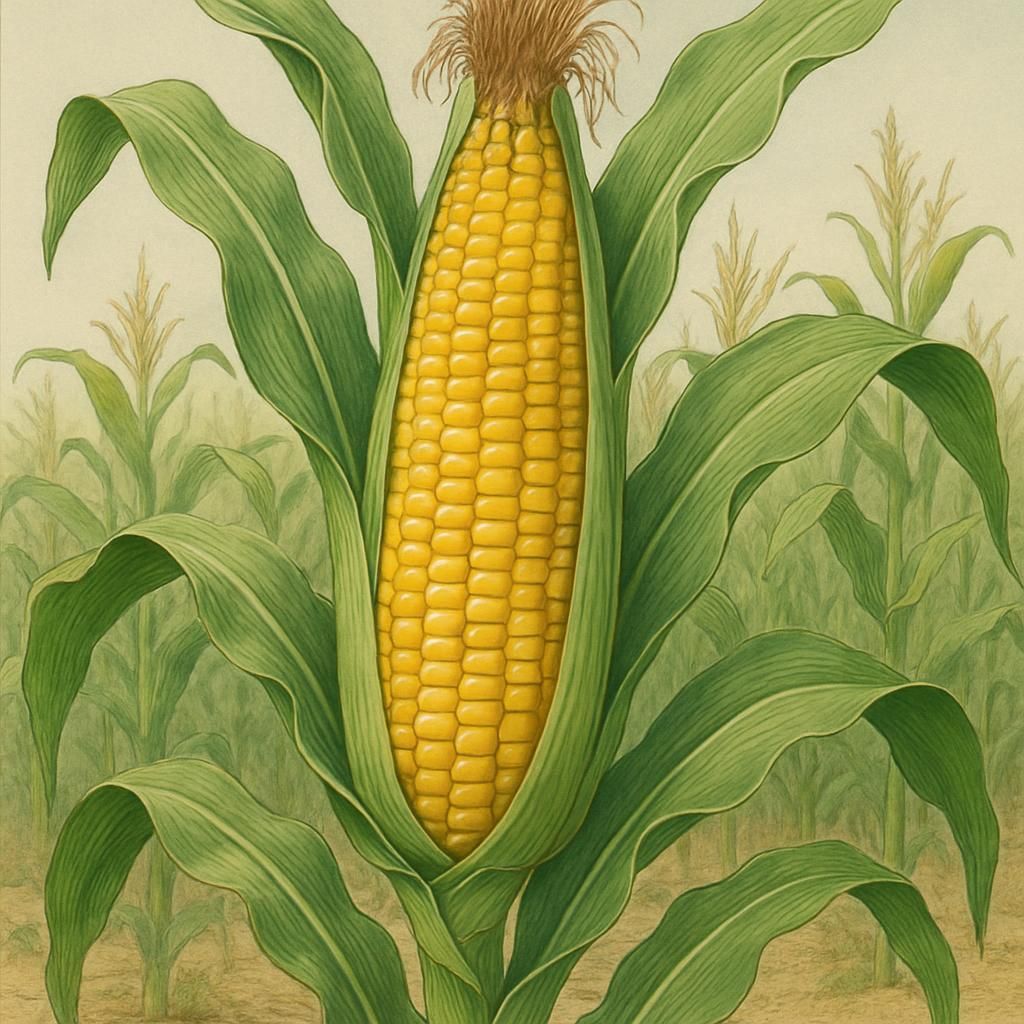
Introduction to Maize (Zapalote Chico)
Zapalote Chico, a distinctive traditional corn variety, holds a fascinating place in agricultural history and modern cultivation. Hailing from Oaxaca, Mexico, it thrives in its native conditions due to its drought-resistant capabilities and compact growth, making it a valuable crop for farmers dealing with challenging climatic conditions. Its unique stature and adaptability make Zapalote Chico a suitable candidate for sustainable and organic farming practices.
Botanical Profile of Maize (Zapalote Chico)
This variety of maize stands out with its shorter stalks and smaller cobs compared to other maize varieties. It belongs to the Poaceae family, and like other members in the Zea mays species, uses the wind for pollination. However, it distinguishes itself in its adaptability to environments where other corn varieties might falter, making it a vital crop in its native region.
Soil, pH, and Climate Requirements for Maize (Zapalote Chico)
For optimal growth, Zapalote Chico thrives in well-drained soils, although it is quite tolerant of less-than-ideal conditions due to its drought-resistance. Here is a table of ideal conditions:
| Parameter | Ideal Conditions |
|---|---|
| Soil Type | Loamy, Sandy |
| Soil pH | 6.0 - 7.5 |
| Temperature | 18°C - 30°C |
| Rainfall | 500mm - 800mm annually |
| Sunlight | Full Sun |
Step-by-Step Planting & Propagation
Growing Zapalote Chico starts with choosing the right location that gets full sunlight. Prepare the soil by tilling and ensuring it is free of weeds and has good drainage. If your soil type is not ideal, consider amending it with organic matter to improve fertility and water retention.
- Sow the Seeds: Sow the seeds directly into the soil after the last frost has passed. Space the seeds about 1 foot apart, with rows 30 inches apart.
- Germination: Ensure that the soil remains moist for about two weeks to facilitate germination. Keeping the soil lightly moist during this phase is crucial.
- Thinning: Once the seedlings reach 4 inches in height, thin them to 18 inches apart to allow for better growth.
Care & Maintenance Regimes for Maize (Zapalote Chico)
Regular care and maintenance can lead to substantial yields. Below is a suggested schedule for water, fertilizer, and pruning.
| Care Schedule | Detail |
|---|---|
| Watering | 2 inches per week |
| Fertilizing | Every 4 weeks with compost |
| Pruning | Remove side-shoots as needed |
Watering should ensure the plants do not dry out, especially during flowering, to aid pollination. Fertilizing with natural compost or a balanced NPK fertilizer helps in maintaining soil fertility. Pruning side-shoots and removing any competing weeds can enhance air circulation and reduce pest habitats.
Pests, Diseases & Organic Management
Despite its resilience, Zapalote Chico can be vulnerable to specific pests like the Corn Earworm and European Corn Borer, along with diseases such as Common Rust and Northern Corn Leaf Blight. Organic management includes crop rotation, introducing natural predators, and organic pesticide applications. Utilizing neem oil and diatomaceous earth can deter pests naturally.
Harvesting, Curing & Optimal Storage
The harvest of Zapalote Chico typically occurs 90-120 days post-planting. The ideal time to harvest is when the tassels turn brown and the kernels are firm. Cure the ears by leaving them in a dry, warm environment for about two weeks. It is essential to store the kernels in a cool and dry place to prevent mold and retain quality.
Companion Planting for Maize (Zapalote Chico)
Companion planting can improve yields and reduce pest issues. Suitable companion plants include Beans and Squash, also known as the 'Three Sisters' planting, which forms a beneficial relationship: beans provide nitrogen to the soil, and squash covers the ground to prevent moisture loss and weed growth. For further guidance, visit our post on Summer Companion Planting: 10 Organic Pairings to Boost Small Farm Resilience.
For more information on general maize cultivation, visit Corn.