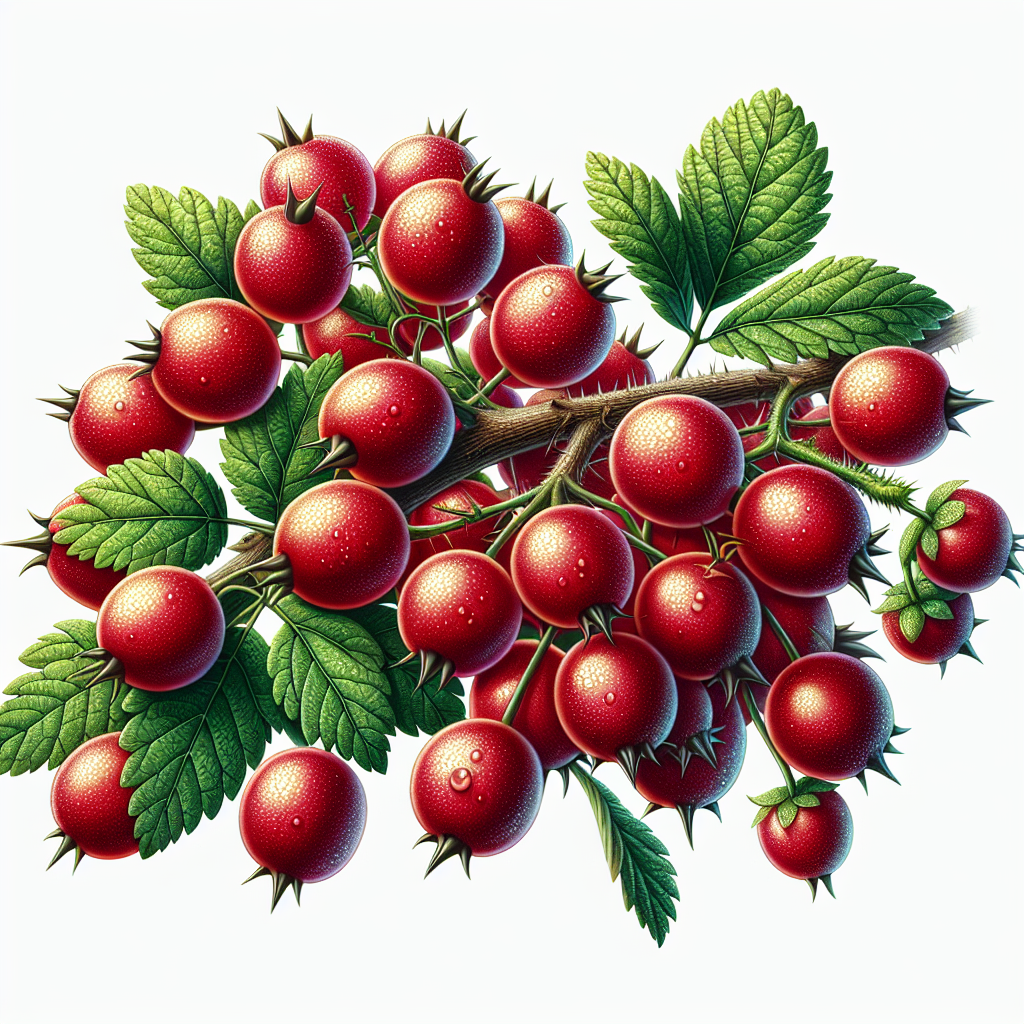
Introduction to Lovi-Lovi (Flacourtia inermis)
Lovi-Lovi (Flacourtia inermis), also known as the governor's plum or air potato, is an underappreciated tropical gem that delivers clusters of vibrant red, cherry-sized fruits bursting with sweet-tart flavor. Native to Southeast Asia, particularly the Philippines where it's a backyard staple, this plant has spread to India, Indonesia, Malaysia, and parts of Africa and the Pacific. The berries, ripening to a glossy crimson, are packed with vitamin C—up to 5 times more than oranges—along with antioxidants, fiber, and minerals like iron and calcium, making them a nutritional powerhouse for fresh snacking, juices, jams, jellies, wines, and even medicinal teas for digestive health and fever reduction.
What sets Lovi-Lovi apart is its remarkable adaptability: drought-tolerant once established, thorny for natural pest deterrence, and capable of fruiting year-round in ideal conditions. Mature trees reach 4-8 meters (13-26 feet) but can be pruned to 2-3 meters for easier harvesting, yielding 20-50 kg (44-110 lbs) of fruit per tree annually after 3-4 years. For small farms and home gardeners in USDA zones 10-12 or equivalent tropical/subtropical regions, Lovi-Lovi offers low-maintenance profitability with minimal inputs. Its dense foliage provides shade, windbreaks, and habitat for beneficial insects, enhancing biodiversity. Whether you're diversifying orchards alongside guava or creating living fences, this crop's resilience against poor soils and erratic rains makes it a smart choice for sustainable agriculture. Discover more about heatwave strategies in Why Summer Heatwaves Are Silently Killing Small Farm Yields - And 7 Organic Strategies to Fight Back.
Botanical Profile of Lovi-Lovi (Flacourtia inermis)
Flacourtia inermis belongs to the Salicaceae family, a genus of about 15 species of spiny shrubs and trees. It's an evergreen to semi-deciduous dioecious plant (separate male and female trees), though hermaphroditic cultivars exist for easier pollination. Stems are slender, armed with sharp, recurved thorns up to 5 cm long, which deter herbivores and aid in climbing supports. Leaves are simple, alternate, ovate to elliptic, 4-10 cm long, glossy green above and slightly hairy beneath, turning reddish in dry seasons.
Flowers are small (3-5 mm), greenish-white to yellowish, borne in axillary clusters. Female flowers develop into fruits: globose drupes 1-2 cm diameter, initially green, maturing to shiny red or purplish-black. Each fruit contains 4-12 seeds embedded in juicy, edible flesh with a single hard stone. The plant's root system is deep and extensive, contributing to drought tolerance. Growth is fast initially (1-2 m/year), slowing with maturity. Varieties include thornless selections like 'Kaimana' from Hawaii and larger-fruited Philippine strains. Pollinators include bees and flies; fruit set peaks in wet seasons but continues sporadically. Wood is hard, used for tool handles; bark yields tannins for dyes.
Soil, pH, and Climate Requirements for Lovi-Lovi (Flacourtia inermis)
Lovi-Lovi excels in well-drained, fertile loamy soils but tolerates sandy, clayey, or even marginal lateritic soils with pH 5.0-8.0 (optimally 6.0-7.5). It thrives on slightly acidic to neutral profiles, resisting aluminum toxicity common in tropics. Avoid waterlogged areas to prevent root rot; raised beds or slopes are ideal for heavy clays. Incorporate 20-30% organic matter like compost or gliricidia prunings for moisture retention and nutrients.
Climatically, it demands frost-free tropics/subtropics: 22-32°C (72-90°F) daytime, minima above 15°C (59°F). Annual rainfall 1000-2500 mm suits it best, with dry periods <4 months triggering fruiting. Full sun (6-8+ hours) is essential; partial shade reduces yields. Wind protection benefits young plants. Humidity >60% enhances growth; it's moderately salt-tolerant for coastal sites. In marginal areas, mulch heavily and irrigate during establishment. Soil test annually, amending with lime for pH <5.5 or sulfur for >8.0. Companion with pigeon pea for nitrogen fixation.
Step-by-Step Planting & Propagation
Propagation: Seeds germinate in 2-4 weeks at 25-30°C; soak in water 24 hours, sow 1 cm deep in 1:1:1 sand-compost-perlite mix. Expect 70-90% viability; select from ripe fruits. Air-layering (marcotting) yields 1-year fruiting plants: girdle 3-4 cm wide, apply rooting hormone, wrap in moist sphagnum. Root in 6-8 weeks. Stem cuttings (semi-hardwood, 15-20 cm) root in mist under IBA 2000 ppm. Grafting onto wild rootstock improves vigor.
Site Prep: Choose sunny, sheltered spots 4-6 m apart (hedges 2-3 m). Dig 50x50x50 cm holes, fill with topsoil + 10 kg compost + 200g superphosphate + 100g wood ash.
Planting: Best in early wet season. Plant at soil line, water deeply. Stake if needed. Mulch 10 cm thick with leaves or husks.
Young Plant Care: Irrigate weekly first year (50-100 L/tree), fertilize monthly NPK 10-20-20 at 50g/tree. Prune to single trunk, remove basal suckers.
Care & Maintenance regimes for Lovi-Lovi (Flacourtia inermis)
Watering: Deep, infrequent after year 1; 20-40 L/week in dry spells. Drought-tolerant but yields drop >2 months dry.
Fertilization: Annual: 500g NPK 10-10-10/tree split 3x, plus 2 kg compost. Micronutrients: zinc/boron foliar quarterly. Foliar seaweed extracts boost fruit set.
Pruning: Annually post-harvest: remove dead/thorny watersprouts, thin canopy for light penetration. Dwarf to 2.5 m for accessibility. Train as hedge.
Weeding/Mulching: Keep 1 m circle weed-free; mulch replenishes yearly.
Pollination: Plant 1 male:10 females or use hermaphroditic types.
Training: Espalier or topiary for urban gardens.
Pests, Diseases & Organic Management
Pests: Aphids, mealybugs, fruit flies—neem oil 2% weekly. Thorns deter most; birds love ripe fruit, net clusters. Leaf miners rare; yellow sticky traps.
Diseases: Anthracnose (Colletotrichum)—copper fungicide early rains. Powdery mildew—baking soda spray (1 tbsp/gal + soap). Root rot from overwatering—improve drainage, Trichoderma drench. Learn organic fixes in Why 90% of Small Farms Fail at Pest Management - And 8 Organic Fixes That Actually Work.
Integrated Management: Beneficials via marigold companions. Sanitation: remove fallen fruit. Resistant cultivars key.
Harvesting, Curing & Optimal Storage
Harvest when fully red, firm—twist or clip clusters. Yield peaks 3-5 years: 30-60 fruits/week/tree. Pick every 2-3 days to avoid bird loss. Fruits store 1-2 weeks at 10-15°C, 85-90% RH. For jams, use day-of. Dry slices at 50°C for snacks; ferment for wine (10% ABV). Market fresh or processed; high vitamin C degrades post-harvest, so chill promptly.
Companion Planting for Lovi-Lovi (Flacourtia inermis)
Pair with thai basil for pest repulsion, clover for nitrogen, nasturtium as trap crop. Avoid water-hungry watermelon. Legumes like peanuts fix N; yarrow attracts pollinators. Hedges with lemongrass deter borers. Read Why Companion Planting Feels Like Guesswork for Small Farms - And How AI Makes It Foolproof.