Introduction to Inga edulis
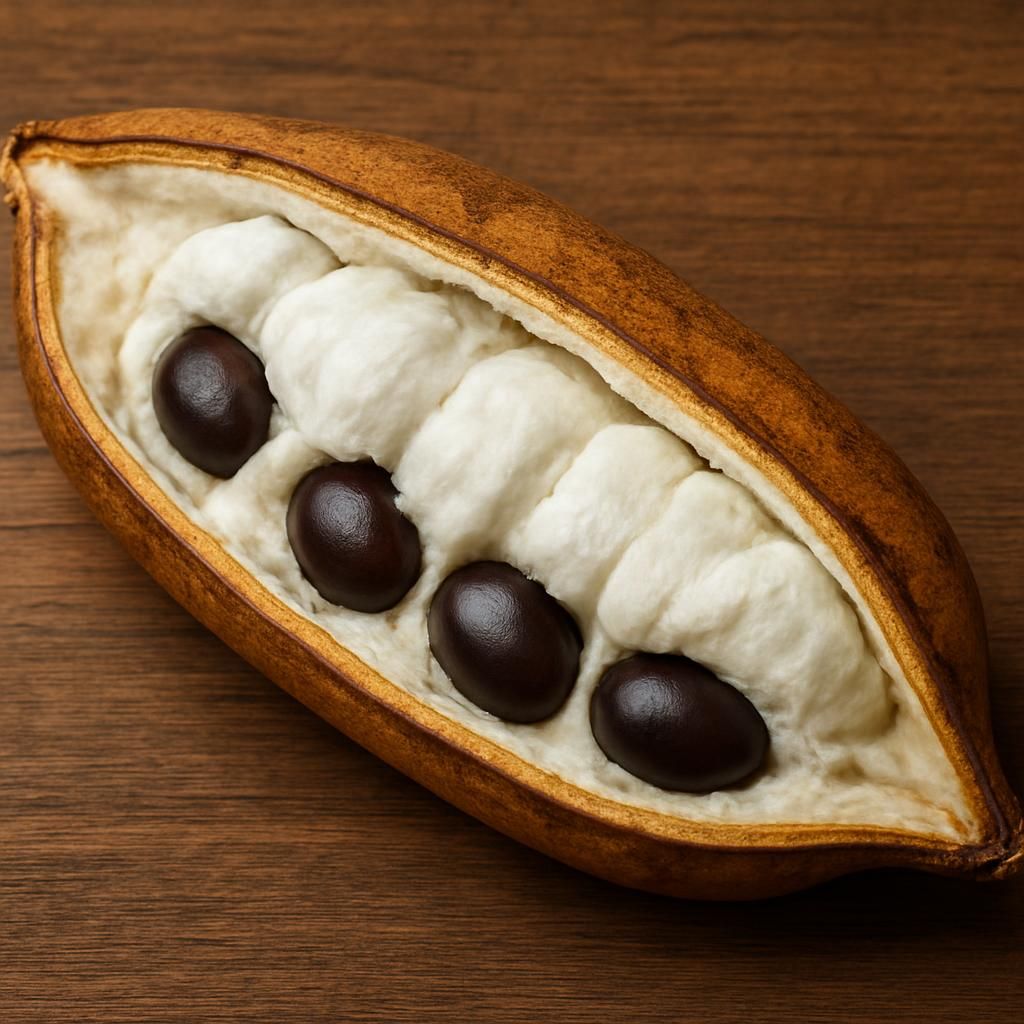
Inga edulis is a multipurpose tropical tree native to the Amazon basin and widely cultivated across Central and South America. Known for its long, cylindrical pods containing sweet, cottony white pulp, the species is often called ice-cream bean because of the dessert-like flavor of the arils. Beyond its fruit, Inga edulis excels as a shade tree, living fence, and soil-improving species in agroforestry systems. Its rapid growth and nitrogen-fixing root nodules make it an outstanding choice for sustainable agriculture in humid tropical and subtropical regions.
Botanical Profile of Inga edulis
Inga edulis belongs to the Fabaceae family and is characterized by compound pinnate leaves with 4–6 pairs of leaflets, each 5–15 cm long. The tree develops a broad, spreading canopy that can reach 15–30 meters in height under optimal conditions. Its flowers are white to cream-colored, arranged in dense axillary spikes that attract pollinators such as bees and butterflies. The indehiscent pods measure 30–100 cm in length and contain numerous large seeds embedded in sweet, juicy pulp. The species is closely related to other Inga members used for shade in Coffee and Cacao plantations.
Soil, pH, and Climate Requirements for Inga edulis
Inga edulis thrives in well-drained, fertile soils with moderate organic matter. It tolerates a wide range of soil textures but performs best in loamy or sandy loam soils. The species prefers slightly acidic to neutral conditions and requires consistent moisture without waterlogging.
| Parameter | Ideal Range | Notes |
|---|---|---|
| Soil Type | Loamy to sandy loam | Good drainage essential |
| Soil pH | 5.5 – 7.0 | Slightly acidic to neutral |
| Temperature | 20 – 32 °C | Frost sensitive below 10 °C |
| Annual Rainfall | 1500 – 3000 mm | Even distribution preferred |
| Altitude | 0 – 1500 m | Performs well in lowland tropics |
| Sunlight | Full sun to partial shade | Tolerates light shade when young |
Step-by-Step Planting & Propagation
Propagation of Inga edulis is most successful from fresh seeds. Collect pods when they turn dark brown and begin to split naturally. Remove seeds immediately and sow within 48 hours because viability declines rapidly. Prepare a nursery bed or germination trays with a 1:1 mix of compost and coarse sand. Sow seeds 2–3 cm deep, maintaining consistent moisture at 25–30 °C. Germination occurs in 7–14 days. Transplant seedlings at 30–40 cm height into field positions spaced 6–8 m apart in rows 8–10 m wide. Dig planting holes 60 × 60 × 60 cm and incorporate 5–10 kg of well-rotted manure plus 200 g of rock phosphate per hole. Water thoroughly after planting and apply a 5 cm mulch layer of organic material to conserve moisture.
Care & Maintenance regimes for Inga edulis
Young trees require regular irrigation during the first two dry seasons. Once established, Inga edulis is moderately drought tolerant but responds well to supplemental water during flowering and pod development. Fertilization should focus on phosphorus and potassium after the first year while nitrogen is supplied naturally through symbiotic fixation. Pruning maintains a manageable canopy and encourages lateral branching for higher pod production.
| Growth Stage | Water Schedule | Fertilizer Application | Pruning Schedule |
|---|---|---|---|
| Establishment (0–12 mo) | 20–30 L per tree, twice weekly | 200 g NPK 10-20-10 at planting; repeat at 6 months | Formative pruning at 1 m height |
| Juvenile (1–3 yr) | 40–60 L weekly during dry season | 300 g potassium sulfate + 100 g rock phosphate annually | Remove lower branches to 1.5 m |
| Mature (3+ yr) | 80–100 L every 10–14 days | 500 g wood ash + compost tea biannually | Annual canopy thinning after harvest |
Pests, Diseases & Organic Management
Common pests of Inga edulis include Aphids, Mealybugs, and Scale insects. These sap-sucking insects are best controlled with regular releases of lady beetles and lacewings or by applying neem oil sprays at 0.5 % concentration. Fungal issues such as Anthracnose and Root rot may appear under excessively wet conditions; improve drainage and avoid over-irrigation. Monitor for Leaf spot diseases and remove affected foliage promptly. Organic management emphasizes cultural practices: maintain good airflow through pruning, use disease-free planting material, and apply compost teas rich in beneficial microbes.
Harvesting, Curing & Optimal Storage
Pods reach harvest maturity 4–6 months after flowering when the skin turns from green to dark brown and the pulp begins to sweeten. Twist or cut pods carefully to avoid damaging the tree. Fresh pods can be stored at 10–15 °C for up to 7 days. For longer storage, extract the pulp, spread it in a single layer on drying racks, and dehydrate at 40 °C until moisture content drops below 15 %. Pack dried pulp in airtight containers and store in a cool, dark place for up to six months. Seeds may be separated, cleaned, and stored in breathable bags at 5 °C for future propagation.
Companion Planting for Inga edulis
Inga edulis functions as an excellent nurse tree in agroforestry systems. Its nitrogen-rich leaf litter benefits understory crops such as Banana, Papaya, and Pineapple. The canopy provides filtered shade that improves microclimate conditions for Coffee and Cacao. Avoid planting heavy feeders like Corn directly beneath mature trees, as competition for light can reduce yields. Interplant with nitrogen-loving legumes such as Pigeon pea or Gliricidia to further enhance soil fertility. Flowering companions like Marigold attract pollinators and beneficial insects, boosting overall system resilience.