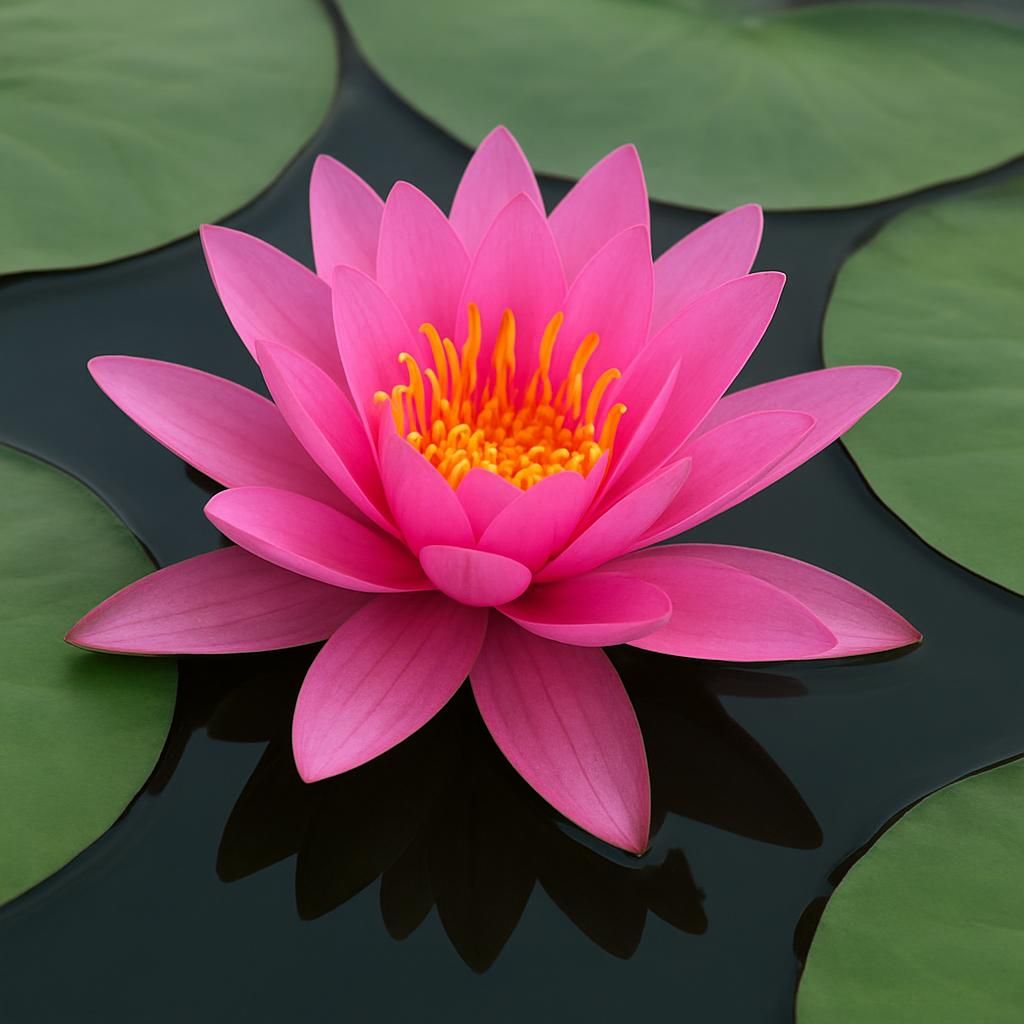
Introduction to Hardy Water Lily
Hardy water lilies (Nymphaea spp.) are temperate aquatic perennials that produce showy, fragrant flowers and broad floating leaves. They are staples in ornamental ponds, water gardens, and constructed wetlands because they provide shade, reduce algae, and support beneficial aquatic life. Unlike tropical water lilies, hardy types survive freezing temperatures by going dormant in winter and regrowing from rhizomes each spring.
Botanical Profile of Hardy Water Lily
Hardy water lilies belong to the Nymphaeaceae family. Plants produce thick, horizontal rhizomes that anchor in submerged soil while leaves and flowers float on the surface. Flowers typically open during daylight hours and close at night; colors range from white and yellow to pink, red, and nearly purple. Leaves are orbicular to ovate with a cleft at the base and a waxy cuticle that repels water.
Soil, pH, and Climate Requirements for Hardy Water Lily (MUST INCLUDE A MARKDOWN TABLE OF IDEAL CONDITIONS)
Hardy water lilies thrive when planted in heavy loam or aquatic planting media with adequate nutrients. They prefer full sun (minimum six hours) and still or very gently moving water. The following table summarizes optimal growing parameters:
| Parameter | Ideal Range | Notes |
|---|---|---|
| Soil Type | Heavy loam or aquatic soil mix | Avoid lightweight potting mixes that float |
| pH | 6.5 – 7.5 | Slightly acidic to neutral |
| Water Depth | 30–60 cm (12–24 in) over crown | Deeper water improves winter hardiness |
| Water Temperature | 18–28 °C (65–82 °F) growing season | Tolerates brief dips to 10 °C |
| USDA Hardiness Zones | 4–9 | Mulch or sink pots below ice line in zone 4 |
| Sun Exposure | Full sun | At least 6 hours direct light daily |
Step-by-Step Planting & Propagation
- Select a wide, shallow aquatic container (minimum 30 cm deep) with drainage holes.
- Fill with heavy loam or pre-fertilized aquatic soil; create a slight mound in the center.
- Place a dormant rhizome horizontally so the growing tip points upward and is just covered by 5 cm of soil.
- Top-dress with a 2 cm layer of washed pea gravel to prevent soil washout.
- Submerge the container gradually over 7–10 days to avoid shocking new growth.
- Divide established plants every 3–4 years in early spring by cutting rhizomes into sections each containing at least one viable bud.
Care & Maintenance regimes for Hardy Water Lily (MUST INCLUDE A MARKDOWN TABLE OF WATER, FERTILIZER, AND PRUNING SCHEDULES)
Routine care focuses on nutrient balance, water quality, and seasonal cleanup. The schedule below outlines professional maintenance practices:
| Season | Water Management | Fertilizer Application | Pruning & Cleanup |
|---|---|---|---|
| Early Spring | Top up to maintain 30–60 cm depth | One 10-14-8 aquatic tablet at planting | Remove old foliage and divide rhizomes |
| Late Spring | Monitor for evaporation; top up weekly | Second tablet 4 weeks after first | Deadhead spent blooms weekly |
| Summer | Maintain stable level; partial water change if algae appear | Monthly tablets until mid-August | Remove yellow leaves promptly |
| Autumn | Lower water level 10 cm to reduce freeze risk | Stop fertilizing by September 1 | Cut back foliage to 5 cm above crown |
| Winter | Keep pots below ice line or store indoors | None | Inspect rhizomes monthly for rot |
Pests, Diseases & Organic Management
Common pests include Aphids, Spider mites, and Slugs and snails. Aphids can be dislodged with a strong jet of water; introduce predatory insects such as lady beetles for biological control. Fungal leaf spots may appear in stagnant conditions—improve circulation and remove infected foliage. Root rot caused by Pythium or Phytophthora is prevented by using sterile media and avoiding over-fertilization. Monitor regularly and act at the first sign of infestation.
Harvesting, Curing & Optimal Storage
Flowers are typically harvested when fully open in early morning for cut-flower use. Rhizomes are lifted for division or winter storage after foliage has died back. Rinse soil from rhizomes, trim damaged sections, and store in moist sphagnum moss at 4–7 °C (39–45 °F). Check monthly and discard any showing soft rot. Replant when soil temperatures reach 15 °C (59 °F) in spring.
Companion Planting for Hardy Water Lily
Pair hardy water lilies with marginal plants such as Pickerelweed and Arrowhead to create vertical interest and improve water filtration. Submerged oxygenators like Hornwort help maintain clarity. Avoid aggressive spreaders such as Water Hyacinth that can outcompete lilies for surface space. These combinations enhance biodiversity while reducing maintenance inputs.