Introduction to Barcelona Hazelnut
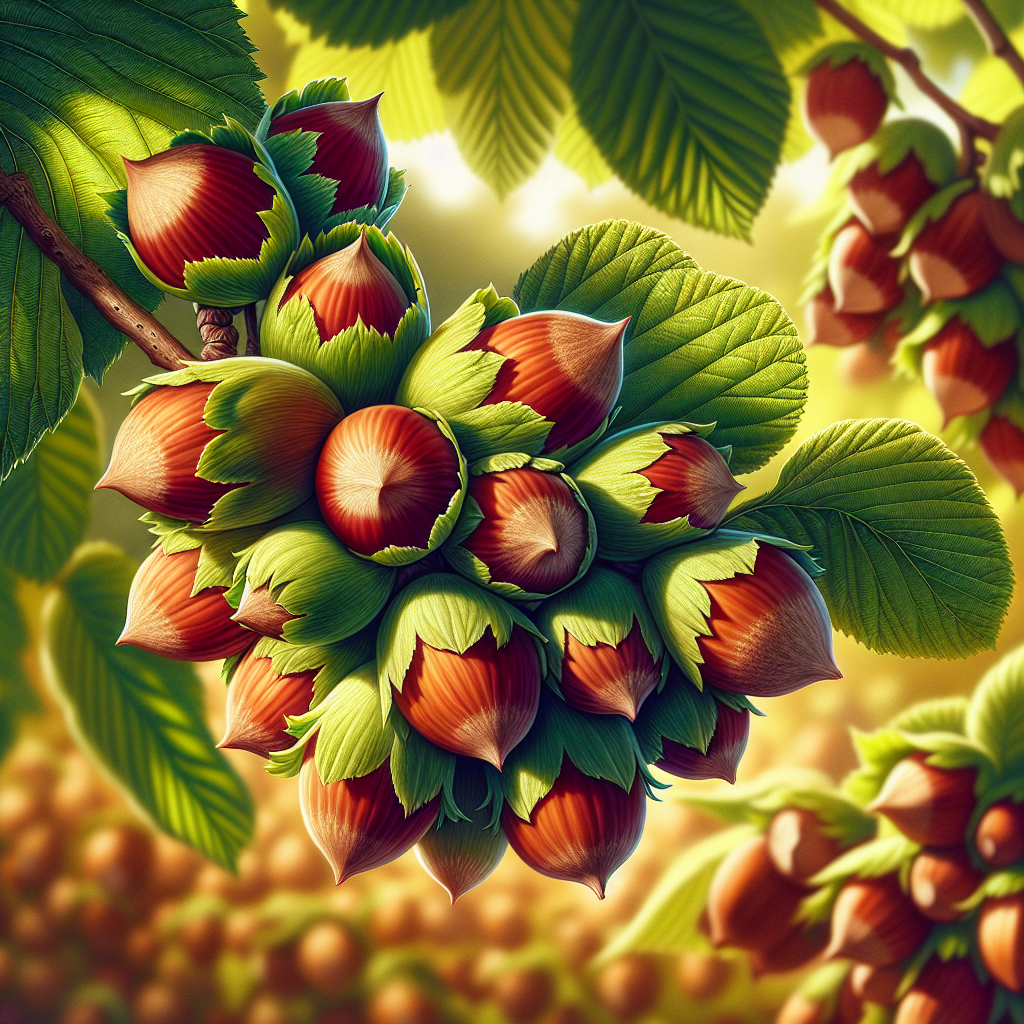
Barcelona Hazelnut (Corylus avellana 'Barcelona') stands as one of the most esteemed cultivars in the world of nut production, prized for its exceptional yield potential, large nut size, and adaptability to diverse growing conditions. Originating from the Willamette Valley in Oregon, this variety has become a cornerstone of the Pacific Northwest's hazelnut industry, which produces over 99% of U.S. hazelnuts. With nuts averaging 1.5-2 grams each, plump kernels, and thin shells, Barcelona delivers premium quality for roasting, baking, and confectionery uses. Growers appreciate its vigorous growth, reaching 15-20 feet tall, and reliable production starting 3-4 years after planting. This comprehensive guide equips professional growers and serious hobbyists with science-backed strategies to cultivate thriving Barcelona orchards. Whether establishing a commercial planting or a backyard grove, mastering Barcelona's requirements unlocks bountiful harvests of this versatile superfood, rich in healthy fats, antioxidants, and vitamin E. For broader context on hazelnut cultivation, see the Hazelnut (crop) wiki page.
Botanical Profile of Barcelona Hazelnut
Barcelona Hazelnut belongs to the genus Corylus avellana, a deciduous shrub or small tree in the Betulaceae family. It exhibits a multi-stemmed, suckering habit, forming dense thickets up to 20 feet in height and spread if unmanaged. Leaves are broadly ovate, 3-5 inches long, with serrated margins, emerging bright green in spring and turning yellow to orange in fall for striking autumn displays. The plant is monoecious but requires cross-pollination for optimal nut set; Barcelona is partially self-fertile yet benefits immensely from pollinizers like Daviana or Ennis.
Male catkins, pendulous and 2-4 inches long, appear in late winter, releasing pollen before leaves emerge. Female flowers manifest as tiny, red, fringed structures clustered at branch tips. Nuts develop in clusters of 3-8, encased in green, leafy husks (involucre) that extend beyond the nut, turning brown at maturity. Harvested nuts feature a reddish-brown shell, 0.8-1 inch diameter, with plump, light-colored kernels comprising 45-50% of total weight. Barcelona's vigor stems from its hybrid vigor, blending European selections for disease tolerance and productivity. Root systems are fibrous and shallow, extending 2-3 times the canopy width, making soil moisture and drainage critical. In optimal conditions, trees yield 10-20 pounds per mature bush annually, with lifespans exceeding 30 years. Pruning maintains open structure for light penetration and air circulation, preventing disease. Compared to Almond (crop), Barcelona thrives in cooler climates, offering superior cold hardiness to USDA zones 5-8.
Soil, pH, and Climate Requirements for Barcelona Hazelnut
Success with Barcelona Hazelnut hinges on selecting well-drained, fertile soils. Loamy soils with 2-4% organic matter perform best, supporting robust root development. Avoid heavy clays prone to waterlogging, which invite Phytophthora root rot. Soil pH should range 6.0-7.5; amend acidic soils with lime (1-2 tons/acre) applied 6 months pre-planting. Test soil annually, targeting 120-150 ppm phosphorus, 150-200 ppm potassium, and 1-2% magnesium.
Barcelona flourishes in temperate climates with 1000-1500 chill hours (32-45°F). Ideal temperatures: 70-85°F summers, mild winters below 15°F. It withstands -10°F once established but protect young plants. Annual rainfall of 30-40 inches suits it, supplemented by 20-30 inches drip irrigation during dry spells. Full sun (6-8 hours) is essential; partial shade reduces yields 20-30%. Windbreaks mitigate spring frosts damaging catkins. For small farms optimizing conditions, check Soil Health Mastery: 5 Proven Strategies for Small Farms to Build Fertile Ground Without Breaking the Bank. Site elevation below 1000 feet minimizes frost pockets. Mulch with 4-6 inches wood chips conserves moisture and suppresses weeds.
Step-by-Step Planting & Propagation
Propagation
Barcelona propagates best via layering or grafting onto Corylus avellana or C. americana rootstocks. Layering: Bend low branches to ground in spring, cover with soil, roots form in 12-18 months. Grafting (whip-and-tongue) in late winter yields 80-90% success. Tissue culture offers disease-free clones for commercial scale.
Planting
Plant dormant, 1-2 year whips (18-24 inches) in early spring. Spacing: 15x15 feet for bushes (145/acre), 20x20 for trees (110/acre). Dig holes 2x root ball width, incorporate compost. Orient graft union 2 inches above soil. Plant pollinizers every 4-6 rows. Water deeply post-planting. For cold climates, explore Winter Sowing Mastery: Use AI to Start Seeds Indoors and Thrive in Cold Climates Without a Greenhouse—adapt for layered starts. Establish 3-5 feet between plants initially for mechanized cultivation.
Care & Maintenance regimes for Barcelona Hazelnut
Irrigation: Provide 1 inch/week, increasing to 2 inches during nut fill (July-August). Drip systems prevent wet foliage.
Fertilization: Year 1: 1 oz N/tree. Mature: 100-150 lbs N/acre split applications. Foliar micronutrients (boron, zinc) if deficient.
Pruning: Annually in late winter. Remove suckers, dead wood; thin canopy to 50% light penetration. Train to central leader or vase shape.
Weed Control: Mulch + pre-emergents like simazine. Mow alleys.
Monitoring: Scout weekly for pests/diseases. Maintain 4-6 inches mulch.
Pests, Diseases & Organic Management
Pests: Filbertworm (leafrollers)—use degree-day timed BT sprays. Aphids—ladybugs, insecticidal soap. Bud mites—delayed dormant oil. Obliquebanded leafroller—pheromone traps + spinosad.
Diseases: Eastern Filbert Blight (Anisogramma anomala)—prune cankers, plant resistant rootstocks. Powdery mildew—sulfur sprays. Root rots—improve drainage.
Organic Strategies: Neem oil, kaolin clay barriers. Beneficial nematodes for soil pests. Copper fungicides for blight. Companion plants like Thyme (crop) deter insects. See Spring Pest Patrol: Organic AI Strategies to Shield Your Crops from Common Invaders.
Harvesting, Curing & Optimal Storage
Harvest mid-September when 90% husks yellow-brown and nuts drop easily. Shake trees mechanically or sweep windrows. Dry nuts to 12% moisture in ventilated sheds (3-5 days at 100°F). Screen debris, size grade. Store shelled kernels at 0°F, 65% RH for 12 months; inshell at 32°F. Yields peak at 15-25 lbs/mature tree. Process promptly to avoid mold.
Companion Planting for Barcelona Hazelnut
Barcelona pairs well with nitrogen-fixers like Clover (crop) for soil enrichment and Yarrow (crop) for pest repulsion. Underplant with low-growing berries like Strawberry (crop) or herbs such as Nasturtium (crop), which attract beneficials and suppress weeds. Avoid grasses, which compete for water. Thyme (crop) and comfrey boost pollinators and mulch. For expert tips, read Why Companion Planting Feels Like Guesswork for Small Farms - And How AI Makes It Foolproof. Intercrop alleys with Garlic (crop) to deter nematodes.