Introduction to Dragon Fruit (Delight)
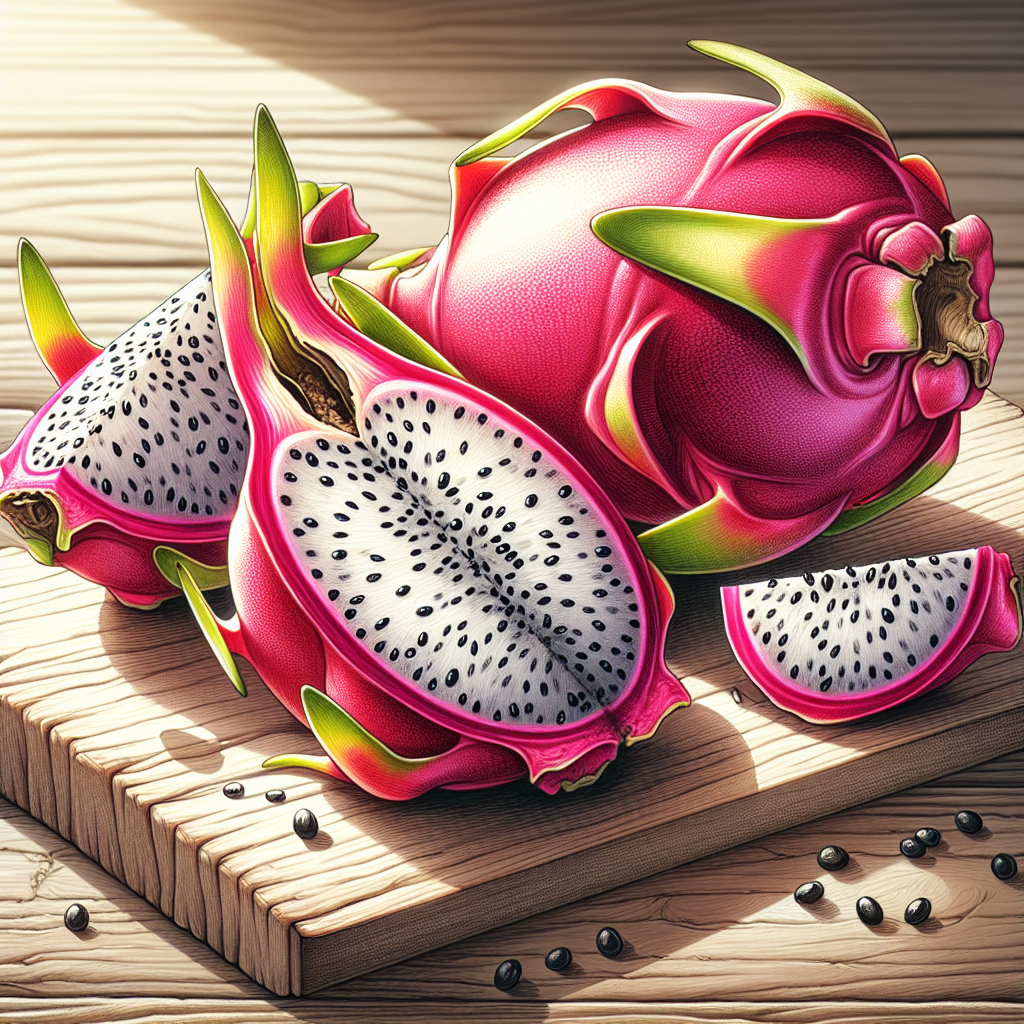
Dragon Fruit (Delight), a standout hybrid cultivar of the iconic pitaya, has captivated growers worldwide with its mesmerizing appearance and delectable taste. Known scientifically as Hylocereus undatus 'Delight', this variety boasts oversized, oval-shaped fruits featuring brilliant magenta-pink skin and creamy white flesh speckled with tiny black seeds. What sets Dragon Fruit (Delight) apart is its exceptional sweetness—often measuring 18-22° Brix—surpassing many commercial strains, making it a favorite for fresh eating, smoothies, and gourmet desserts. Originating from selective breeding programs in Southeast Asia and refined in subtropical regions, this clone delivers fruits weighing 400-600 grams each, with yields up to 30 tons per hectare under optimal conditions.
Farmers appreciate Dragon Fruit (Delight) for its vigor, disease resistance, and adaptability to container growing or expansive orchards. Unlike wild types, it flowers prolifically from late spring through fall, with massive, fragrant blooms up to 12 inches wide that open at dusk and wilt by dawn, attracting pollinators like bats and moths. For small farms, it's a low-maintenance cash crop that tolerates heat and drought while commanding premium market prices—often $5-10 per fruit retail. Whether trellised on concrete posts or espaliered along fences, Dragon Fruit (Delight) transforms ordinary landscapes into productive, exotic paradises. Success hinges on mimicking its native tropical habitat: warmth, well-drained soil, and sturdy support for its climbing stems. Dragon Fruit (crop)
Botanical Profile of Dragon Fruit (Delight)
Dragon Fruit (Delight) belongs to the Cactaceae family, specifically the Hylocereus genus, which comprises epiphytic or hemiepiphytic cacti native to Central and South America but now cultivated across Asia, Australia, and the Americas. This self-sterile variety requires cross-pollination for fruit set, producing three-angled, green stems that grow 20-30 feet long, ribbed with small, spine-tipped areoles. Stems are segmented, fleshy, and capable of rapid extension—up to 6 feet per year in ideal conditions—allowing quick canopy development.
Leaves are absent; photosynthesis occurs via the stems, which feature scale-like bracts. Flowers emerge from mature stem nodes, blooming nocturnally for 12-48 hours, with petals white and outer bracts pinkish-green. Pollination yields fruits in 30-50 days, maturing sequentially for extended harvest windows. Nutritionally, the flesh is rich in vitamin C (20-25 mg/100g), antioxidants like betalains, fiber (3-5g/100g), and minerals such as magnesium and iron. Shelf life post-harvest reaches 7-10 days at room temperature, extendable to 4 weeks under refrigeration. Genetically, 'Delight' exhibits hybrid vigor from Hylocereus undatus and Hylocereus polyrhizus parentage, conferring larger fruits, thinner skin, and enhanced flavor profiles. Root systems are shallow and fibrous, extending 2-3 feet laterally, optimized for nutrient uptake in loose substrates.
Soil, pH, and Climate Requirements for Dragon Fruit (Delight)
Dragon Fruit (Delight) demands well-draining, sandy loam or volcanic soils amended with 30-50% organic matter like coco coir, perlite, or pine bark to prevent root rot. Ideal pH ranges 6.0-7.0; test and adjust with dolomite lime if below 5.5 or sulfur if exceeding 7.5. Heavy clays suffocate roots, so incorporate raised beds or mounds 12-18 inches high for commercial plantings. Mulch with straw or wood chips (4-6 inches) to retain moisture and suppress weeds, refreshing annually.
Climatically, it flourishes in USDA zones 10-11, with daytime temperatures 75-95°F (24-35°C) and nights above 55°F (13°C). It withstands brief dips to 32°F (-0°C) but suffers below 28°F (-2°C). Full sun (6-8 hours daily) promotes vigorous growth and fruit coloration; partial shade (20-30%) suits hotter regions to avert sunburn. Annual rainfall of 25-40 inches is optimal, supplemented by drip irrigation (1-2 gallons/plant/week during dry spells). High humidity (60-80%) aids flowering, but stagnant air fosters fungal issues. In cooler zones 9 or greenhouses, supplemental heat mats and LED grow lights extend seasons. Windbreaks are essential in exposed sites to protect laden branches. For more on heat management, see Why Summer Heatwaves Are Silently Killing Small Farm Yields - And 7 Organic Strategies to Fight Back.
Step-by-Step Planting & Propagation
Propagation
Dragon Fruit (Delight) propagates effortlessly via stem cuttings, the commercial standard for uniformity. Select 12-18 inch segments from healthy, disease-free mother plants in late winter. Allow cuts to callus 7-10 days in shade. Plant horizontally in coarse sand/perlite mix, misting lightly until roots form (2-4 weeks). Grafting onto Hylocereus megalanthus rootstock boosts cold tolerance.
Planting
Site preparation: Space plants 8-10 feet apart in rows 12-15 feet wide. Install 4-6 foot concrete or wooden posts (6-8 inches diameter) with T-posts or angle iron braces. Train initial stems upward using soft ties. Plant cuttings 2-3 inches deep at post base during spring post-frost. Water deeply but infrequently initially (every 3-5 days). For pots, use 20-25 gallon containers with trellis.
Fertilize at planting with balanced 10-10-10 NPK (1 lb/plant), transitioning to high-potassium (5-10-20) post-establishment. Prune side shoots to 4-6 per arm annually for airflow. Expect first flowers year 2, full production by year 3-4.
Care & Maintenance regimes for Dragon Fruit (Delight)
Watering: Deep soak bi-weekly, allowing top 2 inches soil to dry; overwatering invites root rot. Drought tolerance builds post-year 1. Fertilization: Monthly during growth (March-October) with cactus formula or compost tea; micronutrients like boron and zinc via foliar sprays. Pruning: Post-harvest, remove deadwood, thin crowded stems to 10-15 per post, heading back to encourage branching.
Pollination: Hand-pollinate evenings using soft brush, transferring pollen between flowers of different clones. Support: Reinforce with guy wires for heavy fruit loads (20-50 fruits/post). Winter care: Mulch roots, cover plants in marginal zones. Integrated pest management includes neem oil rotations. Yields peak at 20-40 fruits/plant/year by maturity.
Pests, Diseases & Organic Management
Common pests include ants, mealybugs, and scale insects. Scout weekly; deploy beneficial insects like ladybugs and predatory mites. Organic controls: Horticultural oil (2% solution) or insecticidal soap weekly. For borers, remove infested stems.
Diseases: Watch for anthracnose (brown lesions) treated with copper fungicide; phytophthora via improved drainage. Promote airflow and sanitation. Avoid overhead watering. Learn more in Why 90% of Small Farms Fail at Pest Management - And 8 Organic Fixes That Actually Work. Biologicals like Trichoderma suppress soil pathogens.
Harvesting, Curing & Optimal Storage
Harvest when skin shows 75-100% magenta blush and fruit yields slightly to thumb pressure (30-50 days post-bloom). Twist or clip with shears, leaving 1-inch stem stub. Yields: 10-15 tons/acre first years, doubling with maturity. Cure in shade 2-3 days to enhance sweetness.
Store at 45-50°F (7-10°C), 85-90% humidity for 3-4 weeks. Ripen at room temp; refrigerate cut fruit 3-5 days. Market whole or processed into jams, wines. Post-harvest dips in calcium chloride extend vase life.
Companion Planting for Dragon Fruit (Delight)
Pair with shallow-rooted legumes like clover for nitrogen fixation and ground cover. Nasturtium repels aphids; marigold deters nematodes. Avoid deep-rooted competitors like mango. Interplant thyme for pest deterrence. Legumes improve soil; herbs enhance pollination. See Why Companion Planting Feels Like Guesswork for Small Farms - And How AI Makes It Foolproof.