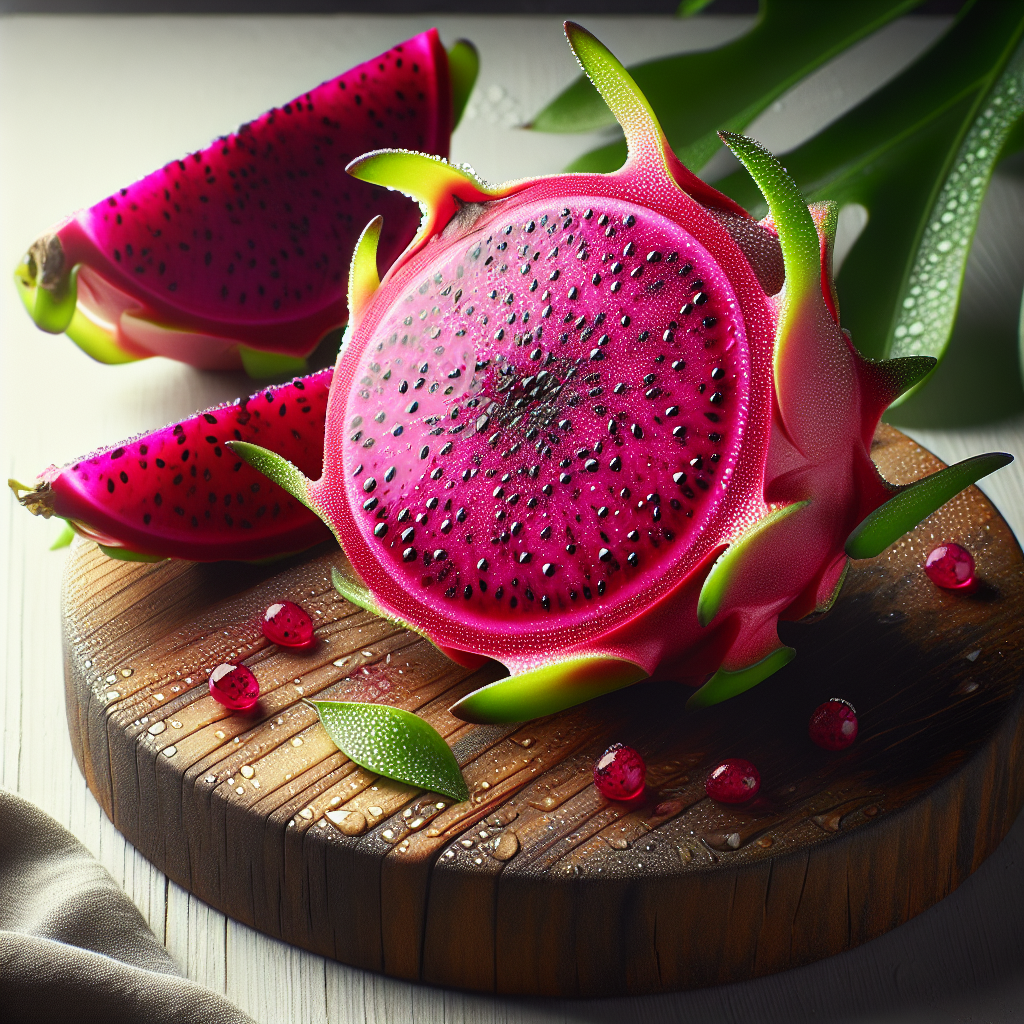
Introduction to Dragon Fruit (American Beauty)
Dragon Fruit (American Beauty), a captivating variety of the pitahaya cactus, has surged in popularity among home gardeners and commercial growers alike. Known scientifically as Hylocereus undatus 'American Beauty', this cultivar stands out with its striking deep red flesh contrasting against vivid magenta skin, delivering a sweet-tart flavor profile reminiscent of kiwi and pear with subtle berry notes. Originating from Central America but selectively bred for superior taste and yield, American Beauty offers fruits averaging 0.5-1 pound each, boasting higher antioxidant levels than many common fruits.
This guide provides a comprehensive deep-dive into cultivating Dragon Fruit (American Beauty), from propagation to harvest. Ideal for USDA zones 10-11 or container growing in cooler areas, it climbs vigorously up to 20 feet, producing 20-30 fruits per plant annually once mature. Its drought tolerance, low maintenance, and eye-catching night-blooming flowers make it a standout for permaculture systems. For more on general Dragon Fruit (crop) cultivation, explore foundational techniques. Success hinges on mimicking its native tropical habitat while leveraging organic practices for optimal health and productivity.
Botanical Profile of Dragon Fruit (American Beauty)
Dragon Fruit (American Beauty) belongs to the Cactaceae family, genus Hylocereus, a epiphytic climbing cactus native to tropical rainforests of Mexico, Central America, and northern South America. This self-pollinating variety features three-angled stems with aerial roots for climbing, growing 10-20 feet tall with support. Stems are green, fleshy, and segmented, up to 2 inches thick, with small spines along ribs.
Flowers are massive, up to 12 inches long, white, and fragrant, blooming nocturnally from summer to fall, attracting bats and moths. Pollination leads to oval fruits 4-6 inches long, with leathery pink-red skin studded with green scales. Inside, the flesh is crimson with tiny black seeds, offering a mildly sweet taste (Brix 16-20) superior to white-fleshed types. Mature plants fruit year-round in ideal conditions, with peak harvests in late summer. Nutritionally, it's packed with vitamin C (20% DV per fruit), fiber, iron, and betalains—potent antioxidants linked to anti-inflammatory benefits. Compared to yellow varieties, American Beauty excels in flavor consistency and shelf life.
Soil, pH, and Climate Requirements for Dragon Fruit (American Beauty)
Dragon Fruit (American Beauty) demands well-draining, slightly acidic to neutral soil to prevent root rot, its primary killer. Optimal pH is 6.0-7.0; test soil and amend with dolomite lime if below 5.5 or peat moss/sulfur if above 7.5. Use sandy loam or cactus mix (50% potting soil, 30% perlite, 20% sand/pumice) for pots. Avoid heavy clay; raised beds or mounds 12-18 inches high ensure drainage in ground plantings.
Thrives in full sun (6-8 hours daily) but tolerates partial shade in scorching climates. Ideal temperatures: 65-90°F (18-32°C) daytime, no lower than 32°F (-0°C) briefly. Frost-sensitive; protect or bring indoors below 50°F (10°C). High humidity (60-80%) mimics tropics—mist in dry areas or use pebble trays for containers. Annual rainfall 30-50 inches suits it, but supplement with drip irrigation during dry spells. Wind protection prevents stem desiccation. In marginal zones, grow on south-facing walls. For heatwave strategies, check Why Summer Heatwaves Are Silently Killing Small Farm Yields - And 7 Organic Strategies to Fight Back. Mulch with organic matter like coconut coir to retain moisture without sogginess.
Step-by-Step Planting & Propagation
Propagation
American Beauty propagates easily from stem cuttings, the most reliable method for clones. In spring, select 12-18 inch healthy, disease-free stems. Cut with pruners, let callus 5-7 days in shade. Plant horizontally in moist cactus mix, burying 4-6 inches. Root in 4-6 weeks at 75-85°F. Seed propagation works but yields variable offspring—sow fresh seeds in sterile mix, germinate 70-80% in 10-20 days under light.
Planting
Plant in spring post-frost. Space 8-10 feet apart for ground; use 20-25 gallon pots for containers. Dig holes twice pot width, add gravel base. Position with 2-3 nodes above soil, provide sturdy trellis/post (6-8 feet tall, concrete-embedded). Water deeply after planting, then sparingly until established (2-3 weeks). Grafted plants (onto Hylocereus guatemalensis rootstock) boost vigor—source from reputable nurseries.
Transplant every 2-3 years for pots. Harden off gradually. Expect first fruits in 1-2 years from cuttings.
Care & Maintenance regimes for Dragon Fruit (American Beauty)
Water established plants deeply but infrequently—1-2 inches weekly, less in rain. Let top 2 inches dry between waterings; overwatering causes rot. Fertilize monthly during growth (March-October) with balanced 10-10-10 or cactus formula (low nitrogen), diluted 50%. Foliar feed with fish emulsion for micronutrients.
Prune annually post-harvest: remove dead/dense stems to improve airflow, limit to 4-6 main arms. Train 2-3 stems per post in fan shape. Support heavy fruit clusters with slings. Thin buds if overloaded. Mulch base with 3 inches bark/chips, keeping clear of stems.
Pollination: self-fertile, but hand-pollinate at night with soft brush for max yield. Protect blooms from rain. Winter care: reduce water, no fertilizer. In pots, overwinter indoors at 50-60°F.
Pests, Diseases & Organic Management
Common pests include ants, mealybugs, and scale insects. Inspect stems weekly; blast with water or neem oil (1 tsp/quart + soap). Introduce ladybugs for control. Birds and bats love fruit—net plants pre-ripening.
Diseases: root rot from Phytophthora (Phytophthora) in wet soils—ensure drainage, use biofungicides like Trichoderma. Anthracnose causes stem lesions; prune affected parts, apply copper fungicide. For pest mastery, see Why 90% of Small Farms Fail at Pest Management - And 8 Organic Fixes That Actually Work. Avoid overhead watering to prevent fungal issues.
Harvesting, Curing & Optimal Storage
Harvest when skin deepens to magenta, scales turn green, and fruit detaches easily (30-50 days post-bloom). Twist or cut with shears; yield 10-40 fruits/plant/year. Wear gloves—spines irritate.
No curing needed; refrigerate at 45-50°F (7-10°C), 85-90% humidity for 2-4 weeks. Ripen at room temp. Freeze pulp for smoothies (up to 12 months). Market fresh; high Brix ensures premium pricing.
Companion Planting for Dragon Fruit (American Beauty)
Pair with nitrogen-fixers like pigeon pea for soil enrichment. Thai basil repels aphids, attracts pollinators. Marigold deters nematodes. Avoid water-hungry Hass Avocado. Legumes like peas improve fertility. Trellis with low-growers underneath for space efficiency. Learn more in companion guides.