Introduction to cupuassu
Cupuassu (Theobroma grandiflorum), a close relative of cacao, is a prized tropical crop native to the Amazon basin, valued for its creamy pulp used in juices, ice creams, and desserts. However, the cupuassu weevil (Conotrachelus cupuassu) poses a major threat to cupuassu orchards, particularly in Brazil, Peru, and Colombia where commercial production is concentrated. This beetle species infests developing fruits, leading to premature drops, seed destruction, and up to 70% yield reductions in unmanaged groves.
Farmers often mistake early symptoms for fungal issues or nutritional deficiencies, delaying intervention. Understanding this pest's biology is crucial for sustainable management. Native to humid rainforests, the weevil thrives in the warm, moist conditions ideal for cupuassu, making it a persistent challenge for smallholder and commercial growers alike. Early detection through regular scouting can prevent outbreaks, preserving fruit quality and market value. This definitive guide equips agricultural professionals with diagnostic tools, lifecycle knowledge, and proven organic strategies to combat cupuassu weevils effectively. For broader pest management insights, check this blog on organic fixes.
Identifying Symptoms & Damage
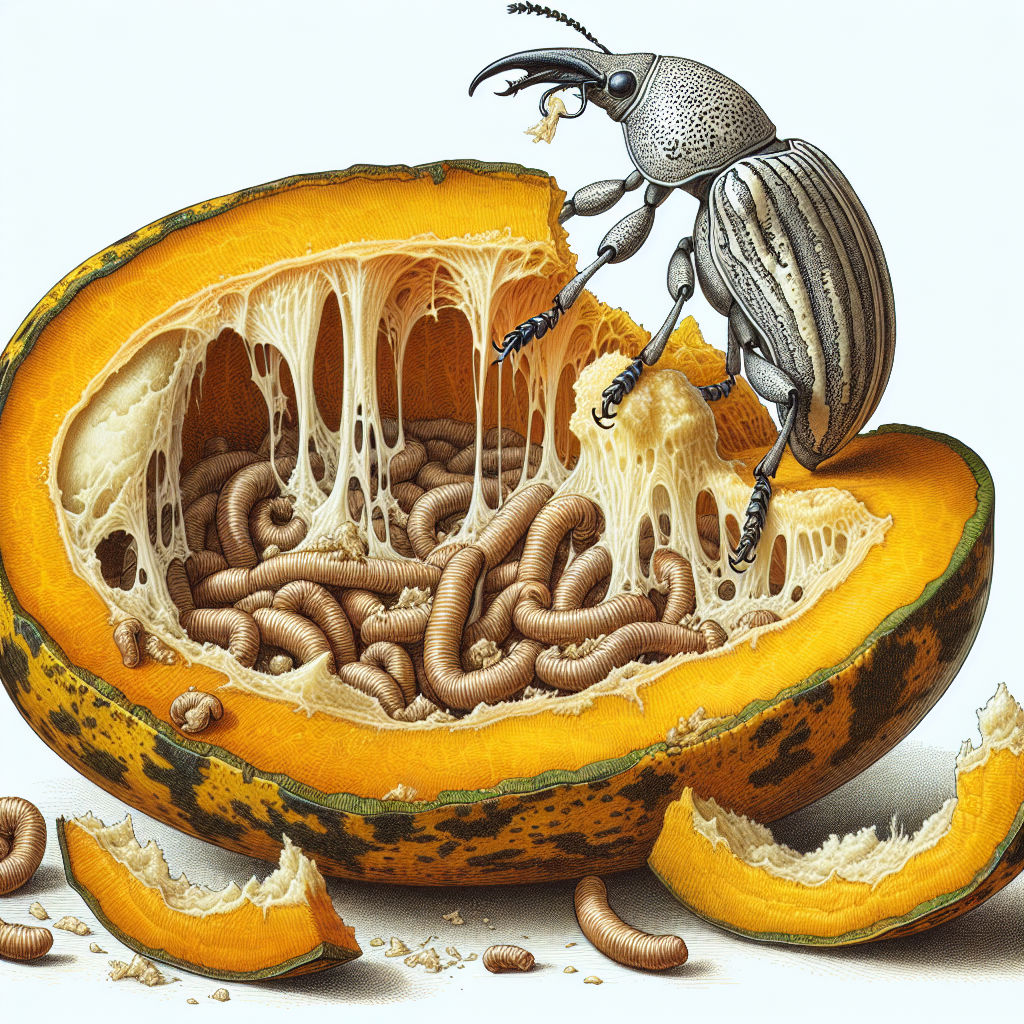
Recognizing cupuassu weevil damage is the first step in effective control. Adult weevils, measuring 3-5 mm long with a curved snout, create entry holes in young fruits (1-3 cm diameter). Look for small, round punctures (1-2 mm) on the fruit surface, often clustered near the peduncle. These holes exude gummy sap, attracting ants and secondary pathogens like anthracnose.
Larval feeding inside causes internal galleries, turning pulp brown and mushy. Infested fruits yellow prematurely, shrivel, and drop, with seeds riddled with tunnels. Heavy infestations lead to 50-80% fruit abortion. Inspect fallen fruits for exit holes (larger, 2-3 mm) and creamy-white larvae (up to 4 mm). Frass (sawdust-like excrement) around holes is a telltale sign.
Differentiate from similar pests: Unlike fruit flies, weevils leave clean punctures without maggot trails. Compared to mealybugs, damage is boring rather than surface sap-sucking. Use a knife to section fruits; weevil galleries are linear and frass-filled, unlike rot from Phytophthora. Scout weekly during flowering to pod-set (March-June in Brazil), using a tapping stick to dislodge adults onto sheets for counting (threshold: 5 weevils/10 trees).
Economic impact is severe: A single larva destroys one seed, reducing pulp yield by 20-30%. In high-density orchards (400 trees/ha), losses exceed $2,000/ha annually without management.
Lifecycle and Progression of cupuassu
The cupuassu weevil completes 3-5 generations per year in tropical climates (25-30°C, 80-90% RH). Adults emerge post-harvest (July-August), seeking sheltered bark crevices for diapause. Peak activity aligns with new flushes (September-November).
Eggs: Females lay 50-100 eggs singly under fruit epidermis via ovipositor punctures. Eggs (0.5 mm, white) hatch in 5-7 days.
Larvae: Three instars feed internally for 15-20 days, excavating tunnels and frass. Mature larvae (4 mm, C-shaped) bore out or drop with fruit.
Pupae: In soil or fallen fruit (7-10 days), reddish-brown cocoons form.
Adults: Live 3-6 months, feeding on pollen/young fruits before ovipositing. Dispersal is limited (under 100m), but wind aids spread.
Progression: Infestation starts 20-30 days post-flowering, peaking at 90 days (mature pods). Overwintering adults resume in rainy season. Monitor with pheromone traps (commercial lures mimic aggregation pheromones) for 2-4 weevils/trap/week signaling action.
Environmental Triggers & Risk Factors
Cupuassu weevils explode in high-humidity environments (>85% RH) with poor sanitation. Key triggers include dense canopies reducing airflow, promoting moist microclimates. Rainy seasons (November-April) double oviposition rates.
Risk factors:
- Monoculture orchards: Lacking diversity, unlike mixed banana-cupuassu systems.
- Poor pruning: Shaded lower branches harbor adults.
- Weedy understory: Alternative hosts like wild Theobroma spp.
- Soil compaction: Limits pupal predation by beneficial nematodes.
- Climate: Temperatures >28°C accelerate development; droughts stress trees, increasing susceptibility.
Proximity to infested wild hosts or abandoned groves amplifies invasion. Nutrient imbalances (N excess) produce tender flushes attractive to females. Implement windbreaks to curb dispersal from neighboring farms.
Organic Control & Treatment Plans
Integrated Pest Management (IPM) emphasizes organics for cupuassu. Avoid synthetics to preserve pollinators (nocturnal moths).
Cultural Controls (Foundation):
- Prune for 40-50% light penetration; remove fallen fruits weekly (95% larval mortality).
- Mulch with neem cake (2 kg/tree) to deter soil pupation.
- Intercrop with marigold (Tagetes spp.) for nematode enhancement.
Biological Controls (Core):
- Release Steinernema carpocapsae nematodes (1 billion/ha) via irrigation; 70% pupal kill.
- Encourage birds (birds as predators) with perches.
- Beauveria bassiana sprays (10^9 spores/ml, 7-day intervals) target adults (80% mortality).
Mechanical/Biopesticides:
- Pheromone traps (4/ha) + mass trapping with bucket traps baited with fermented cupuassu pulp.
- Kaolin clay barrier sprays on young fruits.
- Neem oil (2%) + soap (weekly) disrupts feeding/oviposition.
Treatment Plan:
- Scout weekly; treat at 2 weevils/trap.
- Apply B. bassiana + neem at bud-set.
- Nematodes post-drop.
- Sanitation year-round. Expect 85-95% control with compliance.
Preventing cupuassu in the Future
Prevention hinges on exclusion and resilience:
- Use certified pest-free seedlings; quarantine new plantings.
- Establish 10m buffer zones with repellents like garlic extract.
- Rotate with non-hosts (cassava) every 5 years.
- Monitor via apps or sticky traps; act pre-threshold.
- Build soil health with compost (reduces stress susceptibility).
- Train farmers via extension; community sanitation pacts curb spread. Long-term: Breed resistant varieties (e.g., Porcelana-type).
Crops Most Affected by cupuassu
Primarily cupuassu (Theobroma grandiflorum), but spills over to relatives: