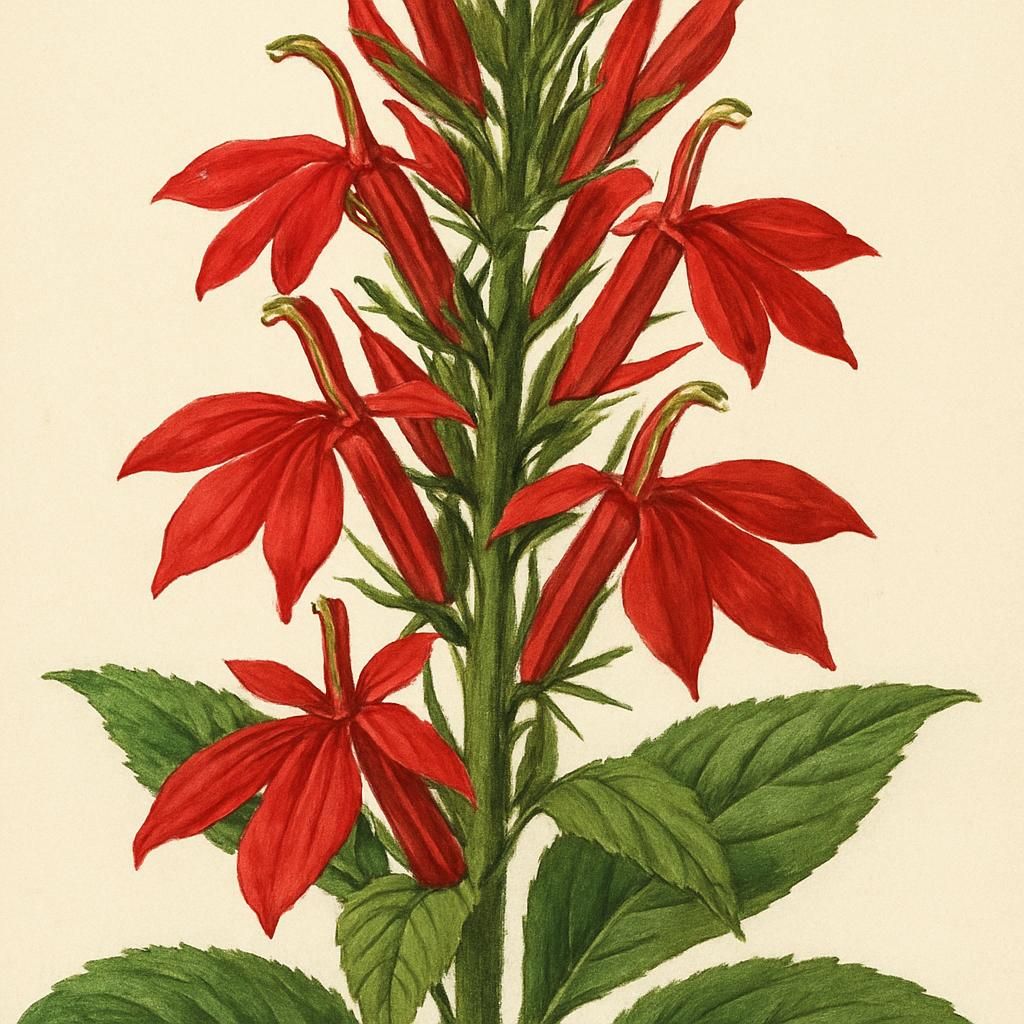
Introduction to Cardinal Basil
Cardinal Basil is a unique variety of basil prized for its vibrant red blooms and spicy, licorice-scented leaves. Often used in decorative garden beds, its vivid flowers also make it a fantastic visual enhancer in herb gardens. Originating from Southeast Asia, this basil variety is popular for both its ornamental and culinary uses.
Botanical Profile of Cardinal Basil
Belonging to the Lamiaceae family, Cardinal Basil (Ocimum basilicum var. 'Cardinal') features broad, green leaves and striking red flower spikes. The plant typically grows up to 24 inches in height and thrives in sunny environments. Its leaves are not only delicious, adding a sweet yet spicy flavor to dishes, but the flowers also attract pollinators like bees and butterflies.
Soil, pH, and Climate Requirements for Cardinal Basil
To successfully cultivate Cardinal Basil, it's essential to understand its environmental needs. This table summarizes the ideal growing conditions:
| Condition | Requirements |
|---|---|
| Soil Type | Well-drained, loamy, rich in organic matter |
| Soil pH | 6.0 - 7.5 |
| Temperature | 70-85°F (21-29°C) |
| Sunlight | Full sun, a minimum of 6-8 hours of direct sunlight per day |
| Humidity | Moderate, thrives in 50-60% humidity |
Step-by-Step Planting & Propagation
- Seed Starting: Begin indoors 6-8 weeks before the last frost date. Sow seeds 1/4 inch deep in seed-starting mix. Ensure the soil remains moist and warm.
- Transplanting: Harden off seedlings by gradually introducing them to outdoor conditions over a period of 7-10 days. Plant them outdoors after the last frost, ensuring each plant has 12-18 inches of space around it.
- Direct Sowing: Alternatively, direct sow immediately after the last frost. Lightly cover seeds with soil and keep them consistently moist.
- Propagation by Cuttings: Take healthy cuttings about 4 inches long, remove the lower leaves, and place them in water or directly into potting soil. Roots typically appear within two weeks.
Care & Maintenance Regimes for Cardinal Basil
Maintaining the health and productivity of your Cardinal Basil involves a consistent schedule for watering, fertilization, and pruning:
| Task | Schedule |
|---|---|
| Watering | Water deeply about once a week; increase frequency in dry spells. |
| Fertilizing | Use a balanced, all-purpose fertilizer every 4-6 weeks. |
| Pruning | Regularly trim leaves to encourage bushy growth; remove flowers unless seed is desired. |
Pests, Diseases & Organic Management
Cardinal Basil is relatively pest-resistant but can occasionally attract spider mites, aphids, and slugs. Prevent infestations by maintaining good air circulation and avoiding overhead watering.
- Organic Solutions: Use neem oil or insecticidal soap against insects. Handpick slugs or use barriers like crushed eggshells around plant bases.
- Common Diseases: Watch for signs of powdery mildew or damping-off in young plants. Enhance soil drainage and ensure proper spacing to minimize risk.
Harvesting, Curing & Optimal Storage
Harvest Cardinal Basil as soon as the plant has at least six sets of leaves. Regular harvesting encourages denser foliage. For drying, hang the stems upside down in a warm, dark, well-ventilated area. Store dried basil in an airtight container away from direct light.
Companion Planting for Cardinal Basil
Pair Cardinal Basil with crops like tomatoes and peppers to enhance flavors and deter pests. It also complements herbs such as oregano and rosemary, boosting the biodiversity in the garden.
For strategic companion planting strategies, consider visiting our blog post on Summer Companion Planting: 10 Organic Pairings to Boost Small Farm Resilience.